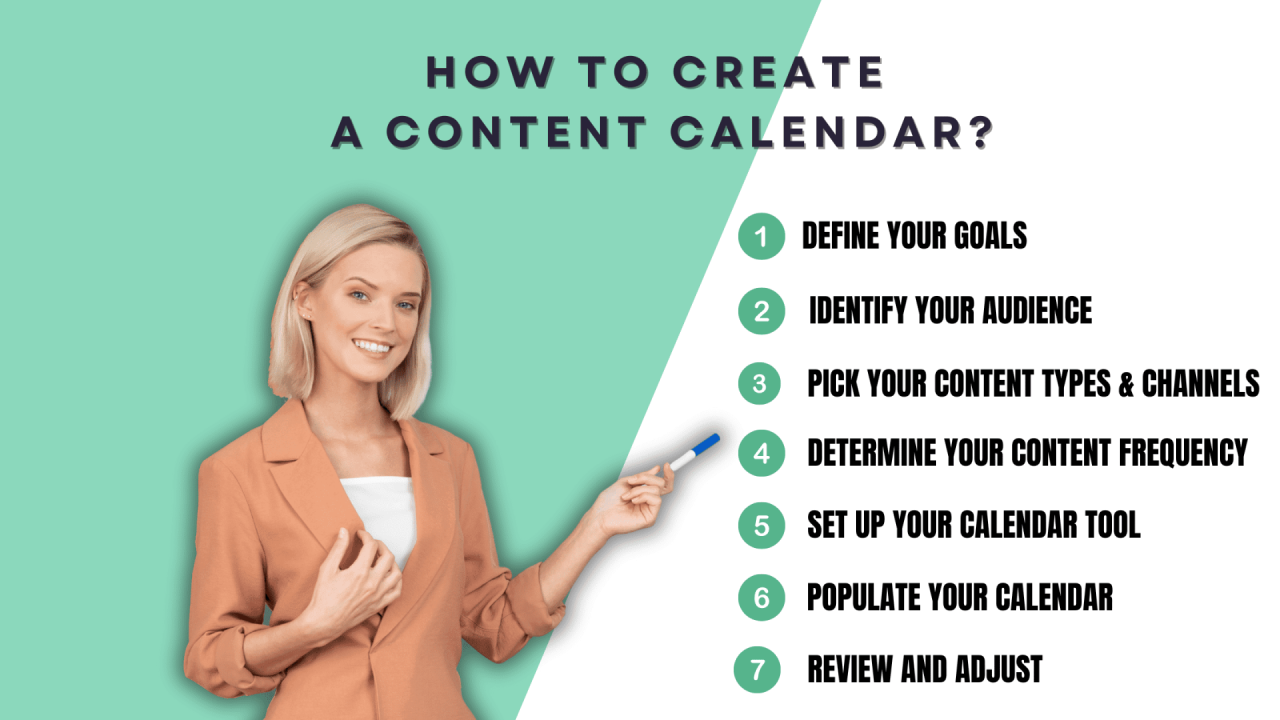
Crafting a compelling content calendar is crucial for any successful show. This guide provides a structured approach to planning, creating, and promoting engaging content, tailored to resonate with your specific audience. We’ll delve into defining your show’s pillars, understanding your audience, and implementing effective scheduling strategies. From ideation to promotion and refinement, this comprehensive overview empowers you to maximize your show’s impact.
This guide will walk you through each stage of content calendar creation, covering everything from identifying your target audience and defining your content pillars to effective promotion and measurement strategies. The provided examples and templates will equip you with practical tools and techniques to develop a successful content calendar for your show.
Defining Your Show’s Content Pillars
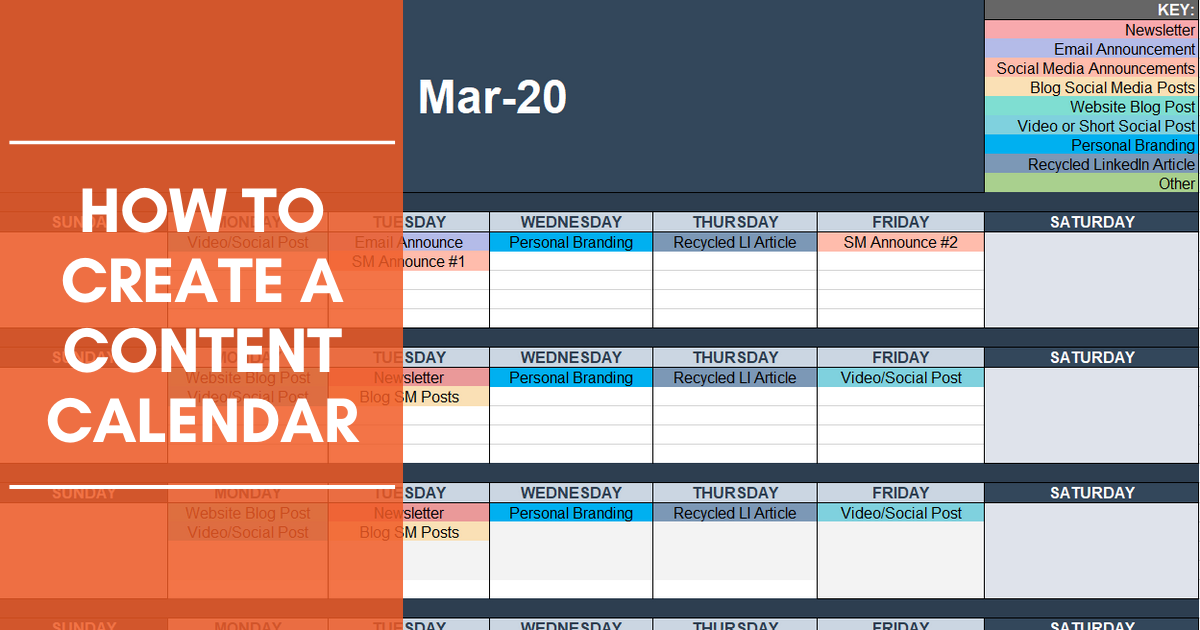
A strong content calendar hinges on clearly defined content pillars. These pillars serve as the foundation for all your show’s content, ensuring a consistent and focused message resonates with your target audience. They provide a framework for creating diverse and engaging episodes that align with your overall show goals.Defining these pillars is crucial for maintaining a cohesive and impactful show, as they dictate the themes and topics that will form the core of your content.
This proactive step enables a more strategic approach to content creation, leading to more effective engagement and audience retention.
Identifying Core Themes and Topics
Establishing your show’s content pillars involves identifying the core themes and topics that will form the show’s foundation. This process involves deep reflection on your target audience’s needs, interests, and pain points. By anticipating these factors, you can tailor your content to address them directly. A key component is considering the format of your show. A tutorial show, for example, might focus on practical steps and solutions, whereas an interview show might explore in-depth perspectives and insights.
Examples of Content Pillars
Different show formats lend themselves to various content pillars. Here are some examples:
- For an interview-based show, pillars could include “industry trends,” “expert insights,” and “success stories.” These pillars allow for in-depth discussions and diverse perspectives within the show’s format.
- A tutorial show might use pillars such as “beginner’s guide,” “advanced techniques,” and “problem-solving strategies.” These pillars help guide the structure of tutorials and provide a clear progression for viewers.
- A discussion-based show could use “current events,” “social issues,” and “future predictions.” These pillars create a platform for engaging dialogues and informed debate, keeping viewers engaged.
Categorizing Content Pillars
A well-organized approach to categorizing content pillars is essential for maintaining focus and clarity. This structured approach helps ensure that content aligns with the show’s objectives and target audience.
| Content Pillar | Target Audience | Show Goal |
|---|---|---|
| Industry Trends | Professionals and enthusiasts in the field | Provide insights into current industry developments and trends. |
| Beginner’s Guide | Individuals new to the subject matter | Provide foundational knowledge and essential information. |
| Success Stories | Motivational individuals seeking inspiration and guidance | Showcase real-world examples of success and achievement. |
| Expert Insights | Individuals seeking in-depth knowledge and perspectives | Provide expert commentary and analysis on a particular subject. |
Defining SMART Goals for Each Pillar
To ensure actionable results, each content pillar should have clearly defined SMART goals. This approach makes the goals specific, measurable, achievable, relevant, and time-bound.
- Specific: Instead of “increase viewership,” a specific goal could be “increase viewership by 15% in the next quarter.” This clearly Artikels the desired outcome.
- Measurable: Goals must be quantifiable. Tracking metrics like views, comments, and shares allows you to monitor progress.
- Achievable: Set realistic goals that align with your resources and capabilities. Overly ambitious goals can lead to frustration and demotivation.
- Relevant: Goals should directly support your overall show objectives and target audience needs.
- Time-bound: Set deadlines for achieving your goals. This provides structure and motivation to stay on track.
Understanding Your Audience
A crucial step in creating an effective content calendar is a deep understanding of your target audience. Knowing their demographics, interests, and needs allows you to tailor content that resonates with them and drives engagement. This understanding is the bedrock upon which successful content strategies are built. By focusing on your audience, you can create content that not only informs and entertains but also fulfills their specific requirements.
Identifying Demographics, Interests, and Needs
Understanding your audience involves identifying key characteristics. This includes demographic information such as age, gender, location, and income level. Beyond these basics, consider interests – what topics are they passionate about? What are their hobbies? Understanding their needs is equally important.
What problems are they trying to solve? What information are they seeking? This multifaceted view of your audience will enable you to craft content that addresses their specific concerns and aspirations.
Analyzing Audience Engagement with Past Content
Data analysis tools offer valuable insights into how your audience interacts with your existing content. Tracking metrics such as views, shares, comments, and time spent on each piece provides a clear picture of what resonates. Tools like Google Analytics, social media analytics dashboards, and specialized content analytics platforms can reveal patterns in audience engagement. By identifying trends in what content performs well, you can refine your approach and create more effective future content.
Audience Research Methods
Several methods can be employed to gain a deeper understanding of your audience. Surveys are a straightforward approach to gather direct feedback on content preferences. Focus groups provide an opportunity for in-depth discussions and insights into how your audience perceives your content. Social listening tools can track conversations and opinions about your show and related topics, revealing trends and emerging interests.
A combination of these methods provides a holistic view of your audience.
Segmenting Your Audience for Tailored Content Scheduling
Dividing your audience into segments allows for more targeted content scheduling. This segmentation might be based on demographics, interests, or engagement levels. For example, you might create segments for “beginner” viewers, “intermediate” viewers, and “expert” viewers. Tailoring content to these segments ensures that each group receives the information most relevant to their needs and experience level.
Relationship Between Audience Segments and Content Preferences
The following table illustrates the relationship between different audience segments and their preferred content types and frequency of consumption.
| Audience Segment | Preferred Content Type | Frequency Preference |
|---|---|---|
| Beginner Investors | Educational videos explaining basic investment concepts | Weekly |
| Intermediate Investors | In-depth analysis of market trends and strategies | Bi-weekly |
| Expert Investors | Advanced investment strategies and case studies | Monthly |
Planning Your Content Calendar
A well-structured content calendar is crucial for maintaining a consistent flow of high-quality content. It acts as a roadmap, ensuring your show remains on track and meets its goals. This stage builds upon the previous steps of defining content pillars and understanding your audience, providing a practical framework for implementation.Planning your content calendar involves a detailed strategy for creating and scheduling episodes.
This meticulous approach ensures your show maintains a steady output of engaging content, maximizing audience engagement and retention.
Content Calendar Template
A well-designed template serves as a central repository for all content information. This structured approach facilitates easy access and modification, making it adaptable to changing needs and priorities. A robust template should include essential elements like the date, topic, format, and assigned personnel. This structured approach ensures everyone involved knows their responsibilities and deadlines.
- Date: Specifies the exact date of content creation or publishing. This is crucial for maintaining a consistent schedule and preventing missed deadlines.
- Topic: Clearly defines the theme or subject matter of each episode. This allows for efficient planning and resource allocation.
- Format: Details the style or type of content. Examples include interviews, discussions, demonstrations, or reviews. This ensures a diverse and engaging content mix.
- Assigned Personnel: Identifies the individuals responsible for each aspect of content creation, from scriptwriting to editing. This clarifies roles and responsibilities, facilitating efficient workflow.
Realistic Content Creation Timeline
Establishing a realistic timeline is paramount for successful content creation. Overly ambitious timelines often lead to rushed work and compromised quality. Consider factors such as the complexity of the topic, the availability of resources, and the experience level of personnel when setting deadlines. It’s better to err on the side of caution and allocate sufficient time for each episode, resulting in higher quality output.
Scheduling Strategies
Different scheduling strategies cater to varying needs and goals. A weekly schedule is ideal for maintaining consistent output, while monthly or quarterly schedules work well for longer-form content or seasonal themes. For example, a weekly schedule is effective for maintaining a consistent presence on social media or a podcast, while a quarterly schedule might be suitable for releasing in-depth reports or special event coverage.
- Weekly: Suitable for shows that require regular updates and consistent output. This schedule ensures consistent engagement with the audience and maintains a strong presence.
- Monthly: Effective for shows with a more relaxed release schedule or when covering recurring themes. This schedule provides a more flexible framework.
- Quarterly: Ideal for shows that focus on major themes or events occurring seasonally. This schedule allows for in-depth coverage of specific topics or trends.
Content Calendar Formats
Various tools and formats can be used to manage your content calendar. Spreadsheets offer a basic structure, but project management software provides more advanced features for collaboration and tracking. Consider your team’s size, complexity of the show, and desired features when selecting a format.
- Spreadsheet: Simple and easily accessible, spreadsheets are useful for basic scheduling. They are great for small teams or shows with limited complexity.
- Project Management Software: Provides features such as task assignments, deadlines, and collaboration tools. This is ideal for larger teams or shows with complex production processes.
Sample Content Calendar
This table showcases a basic content calendar template. This visual representation demonstrates how a calendar can be structured to track key information for each episode.
| Date | Topic | Format | Assigned Personnel |
|---|---|---|---|
| 2024-10-26 | Show Introduction | Video | Producer A, Host B |
| 2024-10-27 | Guest Interview | Audio | Interviewer C, Editor D |
| 2024-10-28 | Behind-the-Scenes | Video | Camera Operator E, Editor F |
Content Ideation and Brainstorming
Generating a robust content calendar requires a well-defined pool of ideas. Brainstorming sessions, coupled with an understanding of your show’s pillars and target audience, are crucial for creating engaging and relevant content. This process involves not only generating ideas but also evaluating their potential impact and suitability for various content formats.Effective content ideation goes beyond simply listing topics; it involves exploring different angles, formats, and delivery methods to ensure the content resonates with your audience.
By employing structured brainstorming techniques, you can significantly increase the volume and quality of potential content ideas, ultimately leading to a more comprehensive and impactful content calendar.
Potential Content Ideas
To generate a diverse range of content ideas, start by brainstorming specific topics related to your show’s pillars. For instance, if your show focuses on sustainable living, potential topics might include “Zero-Waste Kitchen Hacks,” “Eco-Friendly Travel Tips,” or “Sustainable Fashion Trends.” The more specific and focused your ideas are, the better you can tailor them to your target audience’s needs and interests.
Brainstorming Techniques
A variety of techniques can be employed to foster creativity and generate a large volume of content ideas. These techniques can be tailored to fit the specific needs and characteristics of your show.
Brainstorming Methods and Benefits
| Method | Description | Benefits |
|---|---|---|
| Mind Mapping | Starting with a central theme, branch out with related ideas. | Encourages exploration of interconnected concepts, generating broader ideas. |
| Freewriting | Writing continuously for a set period, without judgment. | Breaks mental blocks and generates a large volume of ideas, even unusual ones. |
| Role-Playing | Assume different roles (e.g., audience member, expert) and brainstorm from each perspective. | Provides varied perspectives and helps anticipate audience needs and concerns. |
| Question Storming | Generating a list of questions related to the show’s topic, then developing content to answer them. | Identifies potential audience questions and provides content to address them directly. |
Diverse Content Formats
Consider the various ways you can present your content to maximize engagement and appeal to different learning styles.
- Interviews: Conducting interviews with experts, influencers, or individuals with unique experiences related to your show’s pillars. This format allows for diverse perspectives and in-depth discussions on relevant topics. For instance, an interview with a renowned chef could discuss sustainable food sourcing, while an interview with a travel blogger could focus on eco-friendly travel practices.
- Tutorials: Creating step-by-step guides, demonstrations, or how-to videos on specific skills or techniques. These are excellent for practical application and offer a hands-on learning experience. For example, a tutorial on composting food scraps can be incredibly valuable for viewers.
- Discussions: Facilitating interactive discussions on relevant topics, potentially using live chat or Q&A sessions. This can be a great way to involve the audience and foster community engagement. A discussion about the pros and cons of different eco-friendly cleaning products could spark lively debate.
- Live Streams: Hosting live sessions, Q&As, or interactive workshops to engage your audience in real-time. These can provide immediate feedback and foster a sense of community. A live stream on the latest sustainable living trends, for example, would provide a dynamic and engaging experience for viewers.
Content Creation and Scheduling
Producing high-quality content consistently is crucial for maintaining audience engagement and achieving your show’s goals. This phase requires meticulous planning, dedicated resources, and a streamlined workflow. Effective scheduling ensures that content aligns with your audience’s preferences and maximizes reach.This section will detail the steps involved in producing high-quality content, emphasize the importance of consistent brand voice and visual style, explore strategies for managing content creation deadlines, and present examples of tools for scheduling and managing social media posts.
We will also provide a workflow chart illustrating the entire content creation process.
Producing High-Quality Content
Producing engaging and informative content requires a methodical approach. It involves thorough research, creative writing, and meticulous editing. Content should be tailored to resonate with your target audience, incorporating relevant s and addressing their needs. This may involve interviewing experts, conducting surveys, or incorporating user-generated content. Each piece should be reviewed for accuracy and clarity, and proofread meticulously to ensure a polished final product.
Maintaining Brand Voice and Visual Style
A consistent brand voice and visual style are vital for building brand recognition and trust. This consistency ensures a cohesive experience for your audience across all platforms. Develop a style guide that Artikels the tone, language, and visual elements (e.g., color palettes, fonts, imagery) that define your brand. This guide will serve as a reference for all content creators, ensuring a unified and recognizable brand presence.
Managing Content Creation Deadlines
Effective deadline management is essential for maintaining a consistent content output. Establish realistic deadlines for each content piece, taking into account the complexity of the task. Break down large projects into smaller, manageable tasks, allocating specific time slots for each step. Utilizing project management tools or calendars can help track progress and identify potential bottlenecks. Prioritize tasks based on urgency and importance, ensuring that crucial elements are completed on time.
Scheduling and Managing Social Media Posts
Scheduling tools allow for pre-planning and automation of social media posts, freeing up valuable time for other creative tasks. Scheduling tools often provide features to schedule posts in advance, ensuring that content is disseminated at optimal times based on audience engagement patterns. Tools such as Hootsuite, Buffer, and SproutSocial allow for comprehensive management of social media accounts, enabling scheduling, monitoring, and reporting.
Content Creation Workflow
The following chart Artikels the typical workflow for creating and scheduling content:
| Stage | Description | Timeline |
|---|---|---|
| Ideation | Brainstorming content ideas and selecting topics. | 1-2 days |
| Research | Gathering information and conducting research on the selected topics. | 1-3 days |
| Writing | Drafting the content piece based on research. | 1-2 days |
| Editing | Proofreading and refining the content for clarity and accuracy. | 1 day |
| Design | Creating visuals and incorporating multimedia elements. | 1-2 days |
| Scheduling | Using scheduling tools to plan posts for social media platforms. | 1 day |
| Publishing | Posting the content on the designated platforms. | Immediate |
| Monitoring | Tracking engagement and making necessary adjustments. | Ongoing |
Content Promotion and Measurement
Promoting your show’s content effectively is crucial for reaching your target audience and driving engagement. A well-defined promotion strategy, coupled with consistent measurement and analysis, will allow you to understand what resonates with your viewers and optimize your future content for maximum impact. This section Artikels key strategies for promoting your show and the metrics you should track to measure success.
Strategies for Content Promotion
Effective promotion leverages multiple channels to maximize visibility and engagement. A multifaceted approach ensures broader reach and connects with your audience across various platforms.
- Social Media Promotion: Social media platforms are powerful tools for reaching your target audience. Strategies include engaging posts with compelling visuals, interactive polls, and contests. Leveraging relevant hashtags and collaborating with influencers can expand your reach significantly. Cross-promotion with complementary content creators can introduce your show to new viewers.
- Email Marketing: Building an email list allows you to directly communicate with your audience, providing updates on new episodes, behind-the-scenes content, and exclusive offers. Consistent, targeted email campaigns can foster a loyal following and drive engagement with your show.
- Paid Advertising: Paid advertising campaigns can target specific demographics and interests, enabling you to reach a wider audience than organic methods alone. Platforms like YouTube, Facebook, and Instagram offer targeted advertising options, allowing you to reach potential viewers who align with your show’s theme.
- Collaborations: Partnering with complementary creators, influencers, or organizations can introduce your show to a new audience. Guest appearances on other platforms, cross-promotion, and joint marketing efforts can significantly increase your show’s visibility.
Social Media Promotion Tactics
Effective social media promotion requires a tailored approach. Consider the following tactics:
- Compelling Visuals: Use high-quality images and videos that capture attention and accurately reflect the show’s content. Visual appeal is paramount for attracting viewers on platforms like Instagram and TikTok.
- Engaging Captions: Craft concise and compelling captions that pique interest and encourage interaction. Ask questions, use emojis, and encourage comments and shares.
- Interactive Elements: Incorporate interactive elements like polls, quizzes, and Q&A sessions to foster engagement and increase viewer interaction.
- Hashtag Strategy: Use relevant and trending hashtags to increase discoverability. Research popular hashtags within your niche and use them strategically in your posts.
Metrics for Tracking Content Performance
Understanding content performance is essential for optimizing future content. The metrics discussed below provide insights into how well your show’s content is performing:
- Reach and Impressions: These metrics indicate the number of people who have seen your content and the total number of times your content has been displayed. High reach and impressions suggest strong visibility.
- Engagement Metrics (e.g., Likes, Comments, Shares, Saves): These metrics reflect viewer interaction with your content, indicating its appeal and resonance with your audience. High engagement suggests viewers are interested in your content.
- Click-Through Rate (CTR): This metric measures the percentage of people who click on a link or call to action within your content. A high CTR indicates that your calls to action are effective.
- Website Traffic: Tracking website traffic from social media posts or show-related links provides insights into how social media drives interest in your content.
Analyzing Content Performance Data
Analyzing your content’s performance data allows you to understand what works and what doesn’t. Regularly reviewing these metrics helps you refine your strategies and optimize your content for better results. Identify patterns in engagement across different platforms and content types to refine future content strategies.
| Metric | Description | Target Value |
|---|---|---|
| Reach | Number of unique viewers who saw the content | High, based on target audience size |
| Engagement Rate | Percentage of viewers who interacted with the content (likes, comments, shares) | High, reflecting viewer interest |
| Click-Through Rate (CTR) | Percentage of viewers who clicked on a link or call to action | High, indicating effective calls to action |
| Website Traffic | Number of visits to your website from social media posts | High, demonstrating social media’s effectiveness in driving traffic |
Adapting and Refining Your Calendar
A robust content calendar is not a static document; it’s a living entity that evolves with audience engagement and performance data. Regular adaptation and refinement are crucial for maximizing the impact of your content strategy. This section details how to leverage feedback and analytics to optimize your calendar’s effectiveness.
Analyzing Audience Feedback
Understanding audience reactions to your content is vital for refining your content strategy. Various methods exist for gathering this valuable information. Social media interactions, comments on your website, and feedback forms are just a few avenues for direct audience input. Surveys can provide more structured data to help you understand audience preferences, needs, and pain points. Qualitative feedback, often found in comments and reviews, provides valuable insight into the emotional response to your content.
By carefully evaluating this feedback, you can gain valuable insights into what resonates with your audience and what doesn’t.
Assessing Performance Data
Performance data, derived from analytics tools, provides a quantifiable perspective on content effectiveness. Key metrics such as engagement rates (likes, shares, comments), website traffic, and conversion rates offer a precise understanding of content performance. Tracking these metrics over time allows for the identification of trends and patterns. For instance, consistently high engagement on certain topics can indicate strong audience interest, while low engagement on other topics signals potential areas for improvement.
This analysis helps guide adjustments in content strategy.
Identifying Areas for Improvement
Regular review of content performance data and audience feedback is essential for identifying areas requiring improvement. By comparing engagement rates across different content formats, you can pinpoint successful approaches and areas needing refinement. For instance, if video content consistently receives lower engagement than blog posts, this suggests potential adjustments to video strategy, such as refining editing techniques, incorporating more interactive elements, or targeting different audience segments.
Furthermore, by examining which topics generate the highest levels of engagement and conversions, you can focus your resources on creating similar content.
Refining Content Based on Analysis
Once areas for improvement have been identified, refining the content strategy follows logically. If a particular topic receives low engagement, you might explore alternative angles, target a different audience segment, or experiment with different formats. For example, a blog post that underperforms might be transformed into a shorter, more engaging video, or its content might be repurposed into a series of shorter social media posts.
Similarly, if certain types of content consistently resonate with the audience, you can create more of the same or explore ways to expand upon that successful formula.
Staying Agile and Responsive
Staying agile and responsive to changes in audience preferences is critical in a dynamic content landscape. Continuously monitoring industry trends, emerging technologies, and evolving audience interests is vital. Social listening tools and market research can provide early indications of shifts in audience preferences. This allows for proactive adjustments to the content calendar, ensuring that your content remains relevant and engaging.
By adapting swiftly to these changes, your content strategy will stay relevant and resonate with your target audience.
Final Conclusion
In conclusion, a well-structured content calendar is the cornerstone of a thriving show. By meticulously defining your content pillars, understanding your audience, and implementing a robust planning process, you can create a content strategy that resonates deeply with your viewers. This comprehensive guide has provided you with the knowledge and tools to develop a calendar that fuels engagement, drives growth, and ultimately enhances your show’s overall success.