Podcast interviews are a powerful tool for connecting with listeners and building a strong community. This comprehensive guide dives deep into every aspect of conducting a successful podcast interview, from meticulous planning to post-interview optimization. We’ll explore crucial elements like structuring the conversation, handling challenging situations, and effectively engaging your guests and listeners. This guide will equip you with the knowledge and techniques to create captivating and insightful podcast episodes.
This guide covers a wide spectrum of topics, from pre-interview preparation and guest selection to post-interview actions and technical considerations. It will provide a practical framework for planning, executing, and optimizing your podcast interviews, ensuring a smooth and engaging experience for both you and your guests.
Planning the Interview
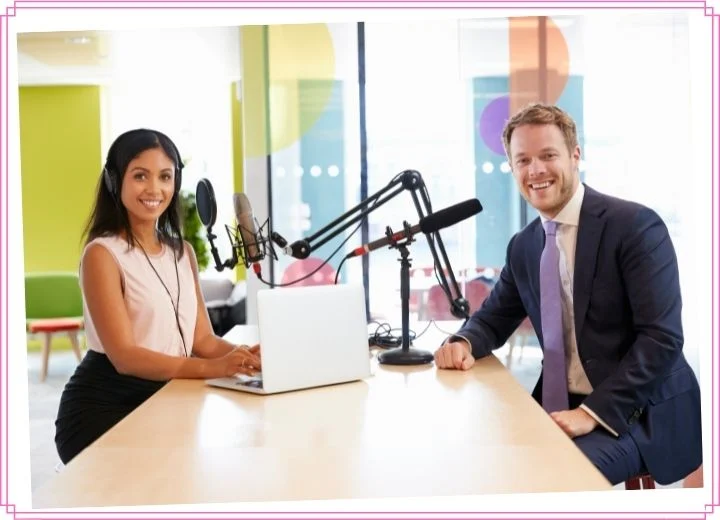
A well-structured podcast interview is key to engaging listeners and showcasing the guest’s expertise. Careful planning ensures a smooth flow, insightful discussion, and a memorable experience for everyone involved. This section details the crucial steps involved in preparing for a successful podcast interview.
Interview Structure
A structured interview format facilitates a coherent and engaging discussion. A typical structure includes an introduction to set the stage, a main discussion section exploring key topics, and a conclusion that summarizes the conversation and leaves a lasting impression. This structure allows for a natural progression of ideas and ensures all essential points are covered.
Key Discussion Points
Developing a list of specific discussion points helps ensure the interview covers relevant ground and keeps the conversation focused. These points should be clearly defined, allowing for a comprehensive exploration of the guest’s knowledge and expertise. Examples of key discussion points could include the guest’s career journey, key insights from their experience, and their predictions for the future of their field.
Engaging Questions
Formulating thoughtful and insightful questions is critical to eliciting rich responses from the guest. Questions should be open-ended and encourage detailed explanations. Five examples of such questions include:
- What were the most significant challenges you faced in your career, and how did you overcome them?
- Could you share a specific example of a time when you made a significant decision that had a profound impact on your work or life?
- What are some emerging trends or challenges in your field that you anticipate will be particularly important in the coming years?
- What advice would you give to someone just starting out in your profession or area of expertise?
- What is one piece of wisdom or insight that you’ve gained that you wish you had known earlier in your career?
Pre-Interview Preparation
Thorough preparation by both the host and guest ensures a productive and enjoyable interview. This includes research, outlining key points, and ensuring the necessary resources are available.
- Host Preparation: Comprehensive research on the guest’s background, work, and expertise is essential. Review past interviews, articles, or presentations by the guest to gain insights into their perspective. This research helps craft insightful questions and fosters a more informed conversation.
- Guest Preparation: Providing the guest with the interview questions beforehand allows them to formulate thoughtful responses and organize their thoughts. This preparation ensures the interview is a positive and fruitful experience for the guest as well. They should also have any necessary resources readily available, such as relevant data or examples, to support their points.
Time Management
Efficient time management is critical for a successful podcast interview. A structured timeline ensures that the interview stays on track and covers all planned topics within the allocated time.
- A suggested framework for time management during the interview includes allocating specific time slots for the introduction, the main discussion points, and the conclusion. This structured approach ensures a balanced and comprehensive interview.
Guest Availability and Topic Confirmation
Ensuring guest availability and confirming the interview topic beforehand is vital for a smooth workflow. Clear communication and a pre-agreed schedule minimize potential delays or conflicts.
- To confirm guest availability, establish a clear schedule. Set a preliminary date and time and request confirmation from the guest. Ensure the guest is fully informed about the topic and the interview’s structure. Having a clear understanding of the topic and the expectations allows both parties to prepare effectively for the interview. This ensures a smooth and productive conversation.
Conducting the Interview
A successful podcast interview transcends a mere Q&A session; it’s a dynamic exchange of ideas, fostering a connection between the host and the guest. This stage requires a skillful approach to maintaining flow, addressing potential challenges, and encouraging the guest to fully express their insights.The interview process is more than just asking questions; it’s about facilitating a conversation that allows the guest’s perspective to shine.
A natural conversational tone is key, avoiding a rigid question-and-answer format that can stifle spontaneity and genuine engagement.
Creating an Engaging Interview Flow
A smooth interview flow hinges on the host’s ability to guide the conversation in a natural and engaging manner. This involves a thoughtful mix of open-ended questions that encourage detailed responses, and insightful follow-up questions that build upon the guest’s initial points. Leading questions should be minimized to avoid steering the guest’s narrative. Instead, focus on eliciting their unique perspective and expertise.
By strategically transitioning between topics, the host ensures a consistent and captivating interview experience.
Handling Difficult Questions or Silences
Unexpected silences or challenging questions can disrupt the interview flow. However, these moments can be transformed into opportunities for deeper exploration. A host’s calm demeanor and thoughtful responses are crucial during such instances. Instead of immediately jumping in with another question, allow a pause for the guest to collect their thoughts or rephrase their response. If a guest struggles with a particular question, gently guide them back on track by rephrasing the question or offering a related, clarifying prompt.
This approach fosters a respectful and supportive atmosphere, preventing the interview from becoming strained.
Encouraging Elaboration
Encouraging elaboration is essential to extracting the most value from the interview. Instead of simply asking “Tell me more,” employ prompts that invite the guest to expand upon their points. For example, questions like “Can you elaborate on the specific challenges you faced?” or “Could you give us a concrete example of how that works in practice?” These prompts encourage the guest to delve deeper into their responses, enriching the interview with insightful details.
Offering specific examples from their experience or field further enhances engagement and understanding.
Active Listening and Thoughtful Responses
Active listening is paramount to a successful interview. A host must pay close attention to the guest’s words, both verbal and nonverbal cues, to understand their perspective fully. This involves not only hearing the words but also interpreting the underlying meaning and emotional context. Thoughtful responses demonstrate engagement and respect. Summarizing key points and paraphrasing the guest’s statements validates their contributions and confirms comprehension.
This helps to keep the conversation on track and ensures that the host and guest are effectively communicating.
Maintaining a Positive and Respectful Tone
Maintaining a positive and respectful tone throughout the interview is crucial. This involves being empathetic, understanding, and mindful of the guest’s experience. The host should create a safe and comfortable environment where the guest feels empowered to share their insights openly. This can be achieved by using inclusive language, avoiding interrupting, and acknowledging the guest’s contributions. A welcoming atmosphere cultivates a trusting relationship, enabling a more productive and engaging interview experience.
Post-Interview Actions

A successful podcast interview extends beyond the recording session. Thorough post-production ensures the interview resonates with listeners and strengthens your podcast’s reputation. Careful attention to editing, transcription, and follow-up cultivates a professional and engaging listening experience.
Audio Editing and Polishing
Post-recording, meticulous editing is crucial for a polished final product. This involves removing extraneous noises, ensuring seamless transitions between segments, and refining the overall audio quality. Effective audio editing enhances the interview’s impact by minimizing distractions and maximizing listener engagement. Utilize professional audio editing software for precise adjustments.
- Identify and Eliminate Distractions: Common issues include background noise, microphone pops, or unwanted breaths. Precisely identify and remove these elements using audio editing software.
- Refine Transitions: Smooth transitions between segments improve the flow of the interview. Utilize audio editing tools to seamlessly connect different parts, minimizing any abrupt changes in volume or tone.
- Enhance Audio Quality: Adjust volume levels, normalize audio, and apply equalization to ensure a consistent and high-quality listening experience. These steps enhance clarity and impact.
- Add Music and Sound Effects (Optional): Strategic use of music or sound effects can enhance the overall experience. However, use these elements sparingly and ensure they complement, rather than detract from, the interview content.
Transcription and Note-Taking
Accurate transcription is paramount for content repurposing and improving the podcast’s accessibility. Note-taking during the interview is essential for remembering key points, quotes, and potential future discussion areas. This enables a more detailed and comprehensive understanding of the interview for all involved.
- Accurate Transcription: Transcription is vital for creating transcripts for website posting, articles, and potentially for creating supplemental content. Use transcription services or dedicated software for accuracy.
- Detailed Note-Taking: Record key takeaways, memorable quotes, and important details during the interview. Maintain detailed notes to capture the nuances and specific points discussed.
- Identify Potential Follow-up Questions: Use note-taking to anticipate future discussion topics and tailor follow-up communications with the guest.
Interview Preparation for Release
Preparation for release involves creating compelling intros and outros, tailoring the interview for specific podcast platforms, and considering various formatting options.
- Intro/Outro Creation: Craft engaging intros and outros that encapsulate the interview’s essence and highlight key takeaways. Consider including a preview of the interview topic, which may increase listener interest and engagement.
- Podcast Platform Optimization: Optimize the interview for various platforms by adhering to their specific guidelines. This involves proper file naming, accurate metadata, and considering the platform’s audio format preferences.
- Formatting Considerations: Adapt the audio file to fit different platforms and ensure it is suitable for various devices and playback systems. Consider different file types and formats to optimize for optimal quality and compatibility.
Post-Interview Follow-Up
A thoughtful follow-up with the guest strengthens the relationship and fosters potential future collaborations.
- Express Gratitude: A simple thank-you email or message expressing appreciation for the guest’s time and contribution. This shows professionalism and respect.
- Share the Podcast: Share the podcast episode with the guest, providing a link to listen to the interview.
- Offer Potential for Future Collaboration: If appropriate, offer potential future opportunities for collaboration or future interviews. This may strengthen your relationship with the guest and expand the potential for future interactions.
Interview Optimization for Different Platforms
Tailoring the interview to specific podcast platforms enhances its reach and maximizes listener engagement.
- File Naming Conventions: Utilize clear and consistent file naming conventions across all platforms, allowing for easy identification and categorization.
- Metadata Optimization: Ensure accurate and relevant metadata, including episode titles, descriptions, s, and tags, are provided for each episode. This helps listeners find the content through search functions and improves discoverability.
- Platform-Specific Formats: Adhere to the specific audio format and file size requirements of each platform to ensure seamless playback and optimal quality.
Interview Guest Selection and Preparation
Selecting the right guest is crucial for a successful podcast interview. A compelling guest not only enriches the listening experience but also elevates the overall value of the podcast. Careful consideration in this phase significantly impacts the quality and engagement of the show.
Identifying Key Characteristics for Guest Selection
The selection process should prioritize guests whose expertise aligns with the podcast’s theme and target audience. Consider their knowledge depth, communication skills, and ability to engage with listeners. A guest who is passionate about their topic and comfortable sharing their insights will naturally create a more dynamic and enjoyable interview. Additionally, assess their accessibility and willingness to participate.
This includes factors like availability, responsiveness to communication, and a positive attitude towards the interview process. A guest who is eager to contribute to the conversation will make the process smoother and more productive.
Approaching and Pitching Potential Guests
A well-crafted approach is essential for securing a guest. The initial contact should clearly convey the podcast’s purpose and target audience, highlighting how the guest’s expertise would resonate with the listeners. Provide a concise overview of the podcast’s format and the planned interview topics. Include a tentative schedule and clear expectations regarding their participation. A professional and enthusiastic pitch, demonstrating genuine interest in the guest’s perspective, is more likely to yield a positive response.
Research and Preparation for Host and Guest
Thorough research is paramount for both the host and the guest. The host should delve into the guest’s background, publications, and recent work to gain a comprehensive understanding of their expertise. This enables the host to formulate insightful questions and foster a meaningful conversation. Similarly, the guest should familiarize themselves with the podcast’s format and target audience.
This allows them to prepare insightful responses and effectively contribute to the interview.
Developing Effective Interview Questions
Effective interview questions encourage insightful discussion and engage listeners. Questions should be open-ended, prompting the guest to elaborate and share their perspectives. Avoid yes/no questions. Instead, focus on inquiries that delve into the guest’s experiences, opinions, and insights. For example, instead of “Are you satisfied with the results?”, ask “What were the key factors that contributed to the outcome, and what lessons can be learned from the experience?”
Interview Question Artikel Template
A structured template based on the guest’s expertise can streamline the question-development process. This template should incorporate key areas of the guest’s expertise. This approach ensures that the interview covers a comprehensive range of topics, showcasing the guest’s knowledge in a thorough manner. For instance, if the guest is a marketing expert, the Artikel could include sections on current marketing trends, digital strategies, and effective campaign implementation.
The template should also include follow-up questions to encourage deeper discussion and explore the guest’s unique insights.
Content Creation and Optimization
Crafting compelling podcast episodes is crucial for engaging listeners and driving audience growth. Effective content creation goes beyond simply recording the interview; it involves meticulous planning, thoughtful execution, and strategic optimization. This section will detail the key aspects of producing a high-quality podcast interview, focusing on structuring the content, enhancing engagement, and promoting your episode.
Podcast Interview Structures
Understanding different interview structures can significantly impact the listener experience. This table Artikels four common podcast interview formats:
| Interview Structure | Description | Suitable Guests | Potential Focus |
|---|---|---|---|
| In-Depth Dive | Detailed exploration of a complex topic or issue. | Experts, academics, researchers | Analyzing nuanced concepts, exploring historical contexts |
| Q&A Session | Structured dialogue focused on answering listener questions. | Anyone with a relevant perspective | Addressing listener inquiries, providing practical advice |
| Storytelling Format | Focusing on personal experiences and anecdotes. | Individuals with compelling life stories | Exploring themes of overcoming challenges, achieving success |
| Case Study Approach | Examining specific examples of success or failure. | Professionals with relevant experience | Analyzing real-world situations, extracting key takeaways |
Engaging Introductions and Outros
Crafting compelling introductions and outros is key to capturing listener attention and leaving a lasting impression.
- Introductions should clearly state the episode’s theme and preview the key takeaways. Use an engaging hook to entice listeners to continue.
- Outros should summarize the episode’s key points, offer valuable takeaways, and encourage listeners to take action, such as subscribing or leaving a review. Include a brief tease for the next episode.
Using Quotes and Anecdotes
Integrating impactful quotes and anecdotes from the interview elevates the episode’s narrative and makes it more memorable.
- Select quotes that encapsulate key insights or memorable statements. Provide context for the quote to enhance understanding.
- Use anecdotes to illustrate points or add a personal touch to the narrative. Ensure the anecdote aligns with the episode’s theme.
- Example: “When discussing the challenges of starting a business, the guest shared, ‘The most crucial step is to believe in yourself and your vision.’ This powerful quote underscores the importance of self-confidence in entrepreneurship.”
Writing a Compelling Episode Description
A compelling episode description is essential for attracting listeners.
- Clearly and concisely summarize the episode’s content, highlighting the key takeaways. Include relevant s to improve searchability.
- Use strong verbs and descriptive language to pique listener interest. Consider including a short, compelling anecdote or quote.
- Example: “In this episode, we delve into the world of sustainable fashion with renowned designer Anya Petrova. Learn how her innovative designs prioritize ethical sourcing and environmental consciousness, offering valuable insights for conscious consumers. Discover how to incorporate sustainable practices into your wardrobe, empowering you to make a positive impact.”
Promoting the Interview Episode
Promoting your podcast episode effectively is essential for reaching a wider audience.
- Leverage social media platforms to share engaging snippets, teasers, and episode links.
- Collaborate with other podcasters in your niche to cross-promote episodes.
- Engage with your listeners through comments and social media interactions.
- Utilize podcast directories like Apple Podcasts and Spotify to ensure your episode is easily discoverable.
- Consider paid advertising if you want to reach a broader audience more rapidly. For example, a targeted ad campaign on platforms like Facebook or Instagram.
Technical Aspects
Ensuring a high-quality podcast interview hinges significantly on the technical aspects of recording. Proper equipment, optimized audio settings, and a conducive environment are crucial for delivering a polished and engaging listening experience for your audience. Careful attention to these elements will elevate the overall production value of your podcast.A well-executed recording process, utilizing appropriate equipment and techniques, significantly contributes to the listener’s enjoyment and comprehension of the interview.
This involves not only the quality of the audio but also the comfort and focus of both the interviewer and the guest.
Essential Equipment for High-Quality Interviews
A robust recording setup is fundamental to capturing a clear and professional audio experience. This necessitates a careful selection of equipment. A high-quality microphone, capable of capturing crisp audio, is essential. Consider a dynamic microphone for interviews in various environments, and a condenser microphone for situations demanding detailed sound capture. A good quality audio interface will connect the microphone to your computer, amplifying and shaping the sound for optimal recording.
A sturdy recording software is needed to capture and edit the audio files.
Optimizing Audio Quality During Recording
Achieving optimal audio quality involves meticulous attention to the technical aspects of recording. Adjusting microphone placement is key. Positioning the microphone at an appropriate distance from the speakers, often a few inches away, will capture clear speech without unwanted background noise or distortion. Ensure the microphone is not too close to the speaker, as this can cause “popping” or “plosives” in the audio.
Reducing ambient noise through soundproofing techniques is essential. Using noise-canceling headphones can help eliminate background noise during recording.
Troubleshooting Common Audio Problems
Troubleshooting audio issues during recording is a crucial part of the process. A common problem is feedback, caused by the microphone picking up sound from the speakers. To solve this, try adjusting the microphone’s position, or use a noise-canceling feature in your recording software. If the audio is too quiet, increase the microphone gain level in the recording software.
If the audio is distorted, reduce the gain level to eliminate the distortion. Inconsistent volume levels can be a problem. Ensuring consistent volume from the interviewer and guest during the interview will contribute to a smooth and even audio experience.
Managing Background Noise and Ensuring Clear Recording
Background noise can significantly detract from the clarity of a podcast interview. To minimize background noise, ensure a quiet recording environment. Soundproofing your recording space will significantly reduce distracting noises from outside sources. Consider using a pop filter to reduce the effects of plosives (sudden bursts of sound). Experiment with various settings in your recording software to determine the best sound levels and reduce the background noise as much as possible.
Importance of a Conducive Recording Environment
A comfortable and conducive recording environment is vital for a successful interview. This includes a quiet space, free from distractions. A dedicated recording room is ideal, but a quiet corner of a home office or studio can also suffice. Ensure the lighting is sufficient to eliminate shadows and provide a professional look and feel. Providing comfortable seating for both the interviewer and the interviewee will help them relax and perform at their best.
Maintaining a well-organized workspace is key to minimizing distractions.
Engaging the Audience
Encouraging listener engagement is crucial for a successful podcast interview. Active listeners are more likely to become loyal followers, promoting the podcast and its guests. Strategies for fostering this engagement go beyond simply publishing an episode; they require a proactive approach to audience interaction.
Encouraging Listener Engagement
A podcast interview is more than just a conversation; it’s a two-way exchange. Listeners want to feel heard and valued. To encourage this, several methods are highly effective.
- Interactive Q&A Sessions: Offering opportunities for listeners to submit questions in advance via email, social media, or dedicated forms fosters a sense of participation. This creates an anticipation for the episode and allows the interview to feel more personal and responsive to the audience’s interests.
- Social Media Promotion: Utilizing platforms like Twitter, Facebook, Instagram, and even TikTok, can extend the reach of the interview beyond the podcast’s direct listeners. Sharing snippets, engaging in discussions, and promoting the interview with relevant hashtags and targeted posts can drive considerable interest.
- Post-Interview Discussion: Immediately after the interview, engaging listeners on social media with questions, polls, or open-ended discussions can maintain the momentum. Encourage listeners to share their thoughts and opinions about the interview’s topics.
- Contests and Giveaways: Contests, giveaways, or polls related to the interview’s theme can attract more listeners and encourage them to interact with the podcast’s social media channels. This can generate buzz and encourage sharing.
- Creating a Community Forum: A dedicated online forum or community group (like a Facebook group) allows listeners to connect with each other and the podcast hosts. This space can be used for discussions, questions, and sharing of ideas related to the interview’s themes. It allows for long-term engagement.
Using Social Media to Promote and Discuss the Interview
Social media is a powerful tool for amplifying the reach of a podcast interview. Utilizing the right approach can significantly boost listener engagement and generate a sense of community.
- Pre-Interview Promotion: Announcing the interview guest and topics in advance on social media platforms generates anticipation and allows potential listeners to tune in. Use compelling teasers and previews to pique their interest.
- Real-Time Engagement During the Interview: Actively engaging with listeners on social media during the interview, answering questions, and responding to comments adds to the interactive experience and provides immediate feedback.
- Post-Interview Engagement: Sharing key takeaways, insights, and quotes from the interview on social media platforms keeps the conversation going. Highlighting listener questions and responses can foster a sense of community.
- Utilizing Relevant Hashtags: Using relevant hashtags in social media posts and tweets improves discoverability. This helps to reach a broader audience interested in the podcast’s topics.
Incorporating Audience Questions into the Interview
Including listener questions adds a personalized touch and demonstrates that the podcast values its audience’s input. It makes the interview more interactive and engaging.
- Collecting Questions in Advance: Use email, social media posts, or dedicated forms to solicit questions from listeners. Ensure clarity on the format of questions to promote quality submissions.
- Selecting Relevant Questions: Review the submitted questions and choose those that are relevant to the interview’s theme and provide insightful opportunities for discussion. The goal is to have a conversational flow.
- Integrating Questions Seamlessly: Incorporate selected questions naturally into the conversation. This is crucial to avoid disrupting the interview’s flow. Maintain a conversational tone.
Strategies for Creating a Sense of Community Around the Podcast
Cultivating a community around the podcast encourages repeat listeners and fosters a deeper connection with the content.
- Host Interaction: Engage with listeners directly, addressing their comments, questions, and feedback. This demonstrates genuine interest and strengthens the community bond.
- Dedicated Forums or Groups: Create an online forum or group where listeners can interact, share opinions, and discuss the podcast’s topics. This fosters a sense of belonging.
- Community Events: Consider organizing live events, such as meetups or online discussions, to bring listeners together and create personal connections.
Using Listener Feedback to Improve Future Interviews
Collecting and analyzing listener feedback is essential for continuously improving the podcast’s quality and relevance.
- Feedback Collection Methods: Use various methods to gather feedback, including listener surveys, social media polls, or direct messages. Include open-ended questions to encourage detailed feedback.
- Analyzing Listener Comments: Carefully review listener comments to identify recurring themes or areas of interest. Look for common concerns, suggestions, or praises.
- Implementing Feedback in Future Interviews: Use the insights gained from listener feedback to adjust interview topics, guest selection, or overall podcast structure. This continuous improvement process is key to creating a high-quality podcast.
Final Thoughts
In conclusion, mastering the art of the podcast interview requires careful planning, skillful execution, and thoughtful post-production. This guide has Artikeld the key steps to achieving a high-quality interview experience, from selecting and preparing guests to optimizing your content and engaging your audience. By applying these strategies, you can create engaging episodes that resonate with listeners and elevate your podcast to new heights.