Creating a private podcast for your business or team offers a unique avenue for internal communication and knowledge sharing. This guide will walk you through the essential steps, from initial planning to ongoing management, enabling you to cultivate a valuable platform for professional development and collaboration.
This comprehensive guide covers all aspects of establishing a successful private podcast, from defining your target audience and selecting the appropriate formats to distributing content and managing feedback. It’s designed to be practical, offering specific strategies and actionable steps for anyone looking to create a private podcast for their organization.
Planning Your Podcast
A well-structured podcast plan is crucial for a successful private podcast. Careful consideration of topics, target audience, and release schedule will ensure your podcast resonates with your intended listeners and promotes your business goals. Consistent content creation is vital for audience engagement and retention.Thorough planning allows for a cohesive and impactful podcast experience. It also helps to manage expectations, streamline production, and maintain a consistent brand voice.
This approach will ensure that your podcast is a valuable asset for your team or business.
Brainstorming Podcast Topics
A robust brainstorming session is essential for generating relevant and engaging podcast topics. Start by identifying key areas of expertise or interest within your business or team. Consider recent projects, successes, challenges, and emerging trends. Engage your team in this process, encouraging diverse perspectives to broaden the range of potential topics.
- Analyze past successes and identify common themes or patterns in projects that have resonated with your audience.
- Explore areas where your business or team excels and where expertise can be shared.
- Examine current industry trends and identify opportunities to provide insightful commentary or analysis.
- Address frequently asked questions or concerns from your target audience to address potential pain points.
Defining Your Target Audience
A clear understanding of your target audience is paramount for crafting relevant and engaging content. Identify the specific demographics, interests, and needs of your intended listeners. This allows for tailoring content that addresses their specific requirements.
- Profile your ideal listener by considering factors such as their profession, experience level, and overall interests.
- Identify their motivations for listening to a podcast, their pain points, and the solutions they are looking for.
- Research their preferred consumption methods (e.g., listening on the go, during work hours). Understanding their listening habits will inform your scheduling.
- Determine the desired learning outcomes and engagement level they anticipate from your podcast.
Creating a Content Calendar
A content calendar is a roadmap for consistent podcast releases. It helps to maintain a regular schedule, ensuring your audience can anticipate new episodes and fostering a sense of anticipation. It also provides a framework for coordinating and managing resources.
- Establish a regular release schedule, whether it’s weekly, bi-weekly, or monthly.
- Plan episode themes and topics in advance to maintain a consistent flow of content.
- Block out time for recording, editing, and promotion in your calendar.
- Include reminders for social media promotion and engagement.
Creating an Editorial Style Guide
A style guide is essential for maintaining brand consistency in your podcast. It ensures a uniform voice and tone across all episodes. A well-defined style guide also reduces production time and enhances the overall quality of your podcast.
- Establish clear guidelines for language, tone, and overall presentation style.
- Define the desired brand voice and persona to maintain a consistent and recognizable identity.
- Specify the use of jargon and technical terms, ensuring clarity for the target audience.
- Artikel the format for episode titles, descriptions, and any recurring segments.
Identifying Potential Guests
Identifying potential guests enhances the value and expertise of your podcast. Invite industry leaders, subject matter specialists, or other relevant individuals to contribute their insights and experiences.
- Compile a list of individuals with expertise in your industry or relevant areas.
- Research their background, publications, and previous work to assess their credibility.
- Reach out to potential guests via email or social media to gauge their interest in participating.
- Craft personalized invitations outlining the benefits of guest participation.
Potential Podcast Formats
Different formats cater to diverse interests and objectives. A well-structured podcast format allows for a dynamic and engaging listening experience.
| Podcast Format | Description | Example Topics | Target Audience |
|---|---|---|---|
| Interviews | In-depth conversations with experts | Industry leaders, subject matter specialists | Professionals, students |
| Discussions | Team discussions on relevant business topics | Current events, strategy, product updates | Team members, stakeholders |
| Tutorials | Step-by-step instructions on specific topics | Software use, project management, problem-solving | Anyone seeking practical guidance |
Technical Setup

Establishing a robust technical foundation is crucial for producing high-quality podcasts. This involves careful consideration of recording equipment, software, hosting platforms, and organization strategies. A well-structured technical setup ensures a professional listening experience for your audience, fostering engagement and credibility.Effective audio recording and editing are fundamental to podcast production. Proper setup minimizes background noise, ensuring clear and crisp audio that resonates with listeners.
A dedicated recording space and appropriate equipment are essential for achieving optimal sound quality. Careful consideration of podcast hosting platforms is equally important. The selected platform should align with your podcast’s needs and technical capabilities, enabling smooth delivery to your audience.
Recording Equipment
A high-quality microphone is paramount for clear audio. Different types of microphones cater to diverse recording needs. Choosing the right microphone is critical for producing professional-sounding audio.
- Dynamic Microphones are robust and ideal for capturing loud sounds in live settings. They excel at minimizing background noise and are well-suited for interviews and public speaking recordings.
- Condenser Microphones, often preferred for studio settings, capture subtle nuances and detail with exceptional clarity. Their sensitivity makes them suitable for recording delicate sounds and instruments. They provide a rich, detailed audio signal, perfect for capturing acoustic performances.
- USB Microphones offer a convenient, all-in-one solution, integrating seamlessly with computers and laptops. They are an excellent choice for beginners or those working with limited space. Their straightforward setup and connectivity are attractive features for many podcasters.
Recording Environment
A dedicated recording space, free from distractions and external noise, significantly impacts audio quality. Consider soundproofing your environment to minimize echoes and reverberations. These factors are essential for achieving optimal sound quality.
- Minimize Background Noise: Identify and eliminate any sources of background noise, such as traffic, household appliances, or conversations. A quiet environment is crucial for capturing clear audio.
- Soundproofing: Soundproof your recording space using acoustic panels or blankets to absorb unwanted sounds and reduce echoes. This is critical for minimizing reflections and improving the overall audio quality.
- Consider Room Acoustics: Experiment with different microphone placement options to find the optimal position for clear audio capture. Room size and shape can significantly affect sound quality. Experimentation is key to finding the right balance for your space.
Podcast Hosting Platforms
Selecting a suitable hosting platform is crucial for distributing your podcast. Various platforms cater to different needs and budgets. Evaluating the features and functionalities of different platforms is essential.
| Platform | Pros | Cons |
|---|---|---|
| Libsyn | User-friendly interface, extensive features, and reliable service. | Potential limitations for high-volume podcasts or complex setups. |
| Buzzsprout | Affordable pricing and excellent customer support. | Limited customization options compared to other platforms. |
| Podbean | Ease of use and comprehensive analytics. | Potential limitations in advanced features for complex podcasting setups. |
A comparative analysis of hosting platforms reveals distinct advantages and disadvantages. Choosing a platform that aligns with your specific podcasting needs is essential.
Storage and Organization
Maintaining organized podcast files is crucial for efficient management. A well-structured file system simplifies access to specific episodes. This is vital for maintaining a clear workflow.
- File Naming Conventions: Implement a consistent naming convention for your podcast files, including episode number, date, and title. This is vital for navigating your podcast library.
- Folder Structure: Create a logical folder structure for organizing your podcast files, such as by year, month, or episode number. This systematic approach streamlines the management of your podcast content.
- Backup Procedures: Regularly back up your podcast files to safeguard against data loss. Regular backups are essential for ensuring data security and minimizing potential downtime.
Content Creation

Crafting compelling content is the cornerstone of a successful private podcast. A well-structured and engaging script, combined with clear communication and compelling storytelling, will captivate your audience and solidify your brand’s message. This section dives into the intricacies of podcast scripting, ensuring your private podcast stands out from the noise.Effective podcast content hinges on creating a narrative that resonates with your target audience.
By understanding the nuances of compelling storytelling and dynamic discussions, you can cultivate a loyal listener base that values the insights and information shared.
Writing Compelling Podcast Scripts
Crafting scripts for your private podcast requires a strategic approach that blends concise language with engaging narratives. Each episode should have a clear structure, moving from an introduction to a compelling narrative, and finally, a satisfying conclusion. This structure provides a framework for your listeners, making the content easily digestible and memorable. Focus on clarity and conciseness, avoiding jargon or overly technical language.
Use active voice and varied sentence structures to keep the content dynamic and engaging.
Importance of Clear Communication and Storytelling
Clear communication is paramount in any podcast, but especially in a private podcast aimed at a specific audience. Precise and straightforward language ensures your message is understood, fostering trust and engagement. Incorporating storytelling techniques adds depth and emotion to the discussion, making the content relatable and memorable. Stories illustrate points, create emotional connections with listeners, and highlight the value of your content.
Methods for Keeping Discussions Engaging
Maintaining audience interest requires a dynamic approach. Employing open-ended questions encourages active participation and fosters a sense of community among listeners. Encourage guest speakers to share personal anecdotes and insights to add depth to the conversation. Varying the pace of the discussion, incorporating humor where appropriate, and using sound effects or music can further enhance the listener experience.
Different Approaches for Creating Interesting Segments
To maintain audience interest, diversify the segments within your podcast. Consider incorporating interviews with industry experts or thought leaders to add fresh perspectives and insights. Interactive elements, such as polls or quizzes, can engage listeners and create a sense of participation. Case studies or success stories can illustrate the practical applications of your content and provide tangible value.
Consider using sound effects, music, and appropriate sound design to further enhance each segment.
Different Podcast Interview Styles
Different interview styles cater to various podcast goals and target audiences. A conversational interview style, where questions are natural and flow organically, fosters a sense of intimacy. A more structured interview style, with a specific agenda and predetermined questions, ensures thorough coverage of topics. An interview style that blends these approaches can be most effective, leveraging the best of both worlds to deliver comprehensive and engaging content.
Experiment with different styles to find what resonates best with your audience.
Significance of Strong Intros and Outros for Private Podcasts
Intros and outros are critical for establishing the tone and purpose of your private podcast. A strong intro immediately sets the stage for the episode, while a compelling outro leaves a lasting impression. These elements should be tailored to your specific podcast, reflecting the unique brand identity and target audience. Clear identification of the podcast, its purpose, and its hosts is essential.
Examples of Captivating Opening and Closing Statements
A captivating intro can be achieved through a concise statement of the episode’s theme. For example, “Today we’re diving deep into the strategies for building a high-performing team.” A powerful outro could be, “We hope you enjoyed this episode. Be sure to subscribe and join the conversation.” Experiment with different approaches and find what resonates best with your audience.
Distribution and Promotion
Distributing and promoting a private podcast requires a targeted strategy tailored to your specific audience and internal structure. A well-defined plan ensures your team or members can access and benefit from the valuable content within your organization. This section details crucial aspects of distribution and promotion, from internal access to external optimization strategies.A successful private podcast necessitates a multifaceted approach that goes beyond simple creation.
Promoting the podcast internally, making it readily accessible, and utilizing relevant online tools are critical to fostering engagement and driving value. This approach ensures maximum impact and return on the investment of time and resources devoted to the podcast.
Internal Podcast Promotion Strategy
Internal promotion is vital for ensuring your team or members actively engage with the podcast content. Clear communication channels are essential to facilitate widespread awareness and encourage participation.
- Dedicated Communication Channels: Establishing specific channels for podcast announcements and discussion, such as an internal newsletter, company intranet, or a dedicated team communication platform, is crucial for timely and targeted notifications.
- Integration with Existing Platforms: Integrating podcast episodes into existing workflows, such as project management tools or internal knowledge bases, can enhance discoverability and provide a convenient way for team members to access the content.
- Incentivize Participation: Encouraging participation and feedback through Q&A sessions, discussions, or contests related to podcast topics can create a sense of community and foster engagement.
Podcast Accessibility for Members/Employees
Ensuring easy access to the podcast content is critical for maximizing its impact within your organization.
- Secure Access Methods: Implementing secure access methods, such as password-protected downloads or access through an internal platform, safeguards sensitive content and maintains confidentiality.
- Clear Instructions: Providing clear instructions on how to access the podcast content ensures ease of use and minimizes confusion. This includes steps on downloading or streaming episodes.
- Regular Updates: Keeping members informed about new episodes and any updates to access methods is crucial for ensuring they remain engaged and informed.
Leveraging Social Media for Promotion
While the podcast is private, social media can still be valuable for promoting its content.
- Targeted Sharing: Sharing relevant podcast highlights or summaries on social media platforms can spark interest and drive internal discussion, without violating confidentiality.
- Internal Hashtags: Utilizing internal hashtags for specific projects or initiatives in social media posts can make related podcast episodes more discoverable.
Importance of Podcast Transcripts
Podcast transcripts offer numerous advantages, especially for internal use and for search optimization.
- Improved Searchability: Transcripts allow for searching specific s or phrases within the podcast content, enhancing discoverability.
- Accessibility for Different Learning Styles: Providing transcripts caters to members who prefer to read rather than listen to podcasts.
Podcast Search Engine Optimization ()
Optimizing your podcast for search engines can improve discoverability and increase engagement.
- Research: Identifying relevant s related to your podcast’s topics and target audience can help in optimizing titles, descriptions, and transcripts.
- Metadata Optimization: Optimizing metadata, including titles, descriptions, and tags, with relevant s enhances the visibility of the podcast episodes in search engine results.
- Consistent Publishing Schedule: Establishing a regular publishing schedule helps maintain user engagement and provides search engines with consistent content to index.
Podcast Management
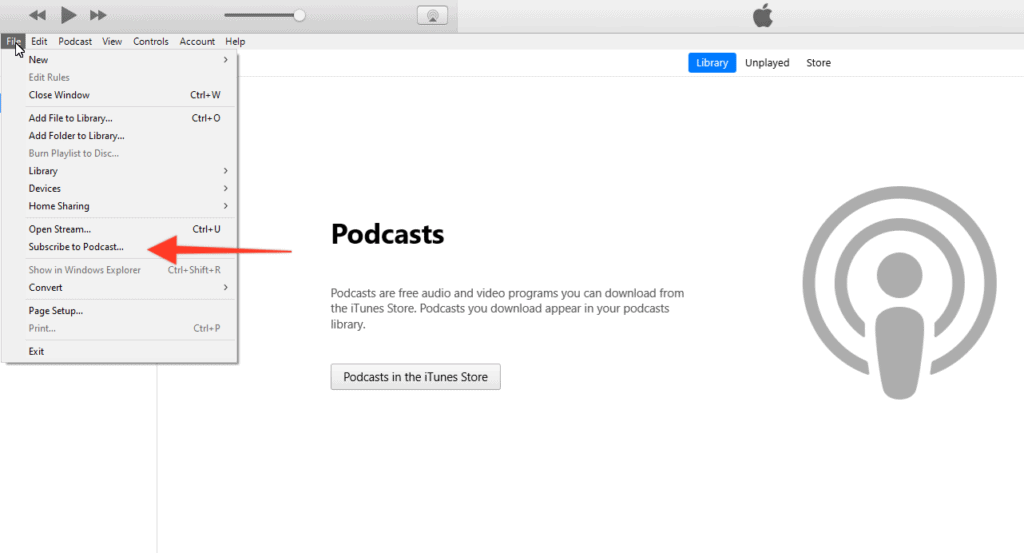
Effective podcast management is crucial for maintaining listener engagement and ensuring the long-term success of your private podcast. This involves proactively addressing feedback, maintaining consistent quality, adapting to listener preferences, and establishing a manageable content schedule. Careful listener interaction and prompt responses are key components to building a loyal audience.Maintaining a high level of quality and consistent engagement is essential for the long-term health of a private podcast.
This requires a structured approach to feedback, adaptation, and scheduling.
Managing Listener Feedback and Suggestions
Proactive management of listener feedback and suggestions is vital for refining your podcast and tailoring it to your audience’s needs. It fosters a sense of community and demonstrates value for your listeners. A system for gathering and responding to feedback will create a positive and engaging environment.
- Implement a system for collecting feedback. This could include a dedicated email address, a feedback form on your website, or a social media platform for comments. Clear instructions on how to submit feedback will encourage participation.
- Establish a process for reviewing feedback. Schedule regular time dedicated to reviewing listener comments and suggestions. Categorize feedback by topic or concern to facilitate efficient analysis and response.
- Respond to feedback promptly and thoughtfully. Acknowledging feedback, even if you can’t implement every suggestion, shows your listeners that you value their input. Explain reasoning behind decisions, where possible.
Maintaining Podcast Quality Over Time
Consistent quality is paramount for maintaining listener interest. Regularly evaluating and refining content, and technical aspects are essential.
- Establish quality control measures. Develop a set of criteria for assessing the quality of your podcast, including audio quality, content relevance, and production value. Regularly review your podcasts against these criteria.
- Maintain consistent audio quality. High-quality audio is essential for a professional listening experience. Use recording equipment and editing software appropriate for the level of quality you want to maintain.
- Ensure content remains relevant. Research and adapt to current trends and topics in your industry. Stay current with developments that impact your listeners.
Adapting to Listener Preferences and Trends
Understanding and responding to listener preferences is essential for maintaining audience engagement. This involves monitoring trends and adapting content accordingly.
- Monitor listener feedback and engagement metrics. Track how your listeners respond to different podcast episodes. Use analytics to determine which topics are most popular and which listeners engage the most.
- Identify trends in your industry and adapt accordingly. Keep up-to-date on emerging topics and industry developments that your listeners are interested in. Research new trends and adjust content to reflect them.
- Experiment with different content formats and approaches. Consider incorporating interviews, listener questions, or interactive elements to keep your podcast fresh and engaging. Evaluate the success of each approach.
Creating a Podcast Content Schedule
A well-defined schedule ensures consistent releases and maintains listener engagement. Clear guidelines prevent delays and maintain a consistent experience for your listeners.
- Develop a detailed content calendar. Plan podcast topics, guest appearances, and release dates in advance. Include specific deadlines for each task in the production process. Use a calendar or project management tool.
- Assign tasks and deadlines to team members (if applicable). Delegate responsibilities clearly and establish timelines for each task. Regular communication and progress updates are essential.
- Buffer time for unexpected issues. Allow for potential delays in recording, editing, or distribution. A buffer time provides flexibility and reduces stress.
Consistent Releases and Listener Engagement
Maintaining consistent releases and engagement is key to keeping listeners tuned in. Regularity builds anticipation and encourages listener loyalty.
- Establish a consistent release schedule. Determine the frequency of podcast releases (weekly, bi-weekly, monthly) and stick to it. This creates an expectation and keeps your audience engaged.
- Promote each episode consistently. Announce new episodes on your website, social media, and other relevant platforms. Use compelling descriptions and engaging visuals.
- Encourage listener interaction. Respond to comments, questions, and feedback promptly and effectively. Use Q&A sessions or interactive episodes.
Handling Listener Questions and Comments
Prompt and thoughtful responses to listener questions and comments foster a sense of community and trust. Effective handling builds a positive experience for your listeners.
- Establish clear communication channels. Designate an email address or social media platform for listener questions and comments. Ensure prompt responses.
- Respond to questions and comments professionally and respectfully. Address concerns directly and offer helpful information. Maintain a positive and engaging tone.
- Acknowledge and address criticism constructively. Use feedback to improve your podcast and show your listeners that you value their opinions. Be professional and avoid defensiveness.
Last Recap

In conclusion, establishing a private podcast can significantly enhance internal communication and professional development within your business or team. By carefully planning, implementing, and maintaining your podcast, you can create a valuable resource for knowledge sharing, fostering a more connected and productive environment. The key is to tailor the content and distribution to resonate with your specific audience and objectives.