Building a strong podcast brand is crucial for attracting and retaining listeners. This guide provides a comprehensive approach to crafting a unique and recognizable identity for your podcast, covering everything from defining your niche and crafting a compelling name to establishing a consistent visual identity and engaging your target audience.
We’ll explore essential strategies, from understanding your audience to leveraging social media, and how to measure and adapt your brand for optimal results. This detailed breakdown equips you with the tools to create a podcast that stands out from the crowd and resonates with listeners.
Defining Your Podcast’s Niche
A strong podcast brand identity hinges significantly on a well-defined niche. A niche acts as a focal point, attracting a specific audience and establishing your podcast’s unique value proposition. This clarity resonates with listeners, fosters a sense of community, and ultimately strengthens your brand’s overall appeal.A clearly defined niche streamlines your content creation process. By focusing on a specific area of expertise or interest, you can produce more targeted and relevant episodes, ensuring your content caters directly to your audience’s needs and desires.
This, in turn, cultivates a dedicated listener base and strengthens your podcast’s long-term sustainability.
Importance of a Clearly Defined Niche
A well-defined niche is crucial for podcast success. It allows for targeted marketing, enabling you to connect with listeners who are genuinely interested in your podcast’s content. This targeted approach reduces wasted effort and increases engagement, ultimately leading to a more loyal and supportive audience. It also enables you to differentiate your podcast from competitors.
Examples of Successful Podcasts with Strong Niche Identities
Several podcasts have achieved remarkable success by effectively defining their niches. “Reply All” focuses on technology and digital culture, attracting a devoted audience eager for in-depth discussions. “My Favorite Murder” provides a compelling blend of true crime and humor, creating a unique niche that resonates with a broad audience. “The Joe Rogan Experience” is another notable example, with a diverse yet substantial following drawn to its discussions on various topics.
These examples illustrate the power of a focused niche in attracting and retaining listeners.
Niche Comparison Table
| Podcast Niche | Content Focus | Target Audience | Example Topics |
|---|---|---|---|
| Business | Strategies, insights, and interviews related to entrepreneurship, management, and finance. | Entrepreneurs, business leaders, and aspiring professionals. | Startup funding, negotiation techniques, leadership principles, financial forecasting |
| True Crime | Investigation, analysis, and storytelling around criminal cases. | Crime enthusiasts, mystery lovers, and those interested in the legal system. | Case studies, interviews with investigators, historical context of crimes |
| Parenting | Guidance, advice, and support for parents and caregivers. | Parents, expecting parents, and individuals interested in child development. | Child development stages, discipline strategies, educational approaches, mental health for parents |
Identifying a Suitable Niche
To identify a suitable niche for your podcast, consider your expertise and the interests of your target audience. Thorough market research is essential, examining current trends, listener preferences, and competitor analysis. Consider these steps:
- Assess Your Expertise: What are you passionate about? What knowledge do you possess that others might find valuable? A podcast should reflect your unique insights and perspective.
- Analyze Audience Interests: Research current trends and interests within your chosen subject matter. Identify what questions or topics listeners are seeking answers to. Use social media, online forums, and relevant surveys to understand your audience.
- Conduct Market Research: Investigate the competition. What are other podcasts in your potential niche offering? How can you differentiate your podcast and create a unique selling proposition?
- Consider Your Resources: Reflect on your resources, including time, budget, and technical expertise. A niche that aligns with your capabilities will allow for sustainable and consistent content creation.
Crafting a Compelling Podcast Name and Tagline

A memorable podcast name and tagline are crucial for establishing brand recognition and attracting listeners. A strong name and tagline make your podcast instantly identifiable, communicate its essence effectively, and help listeners connect with its unique value proposition. These elements contribute significantly to audience recall and brand loyalty.A well-crafted name and tagline should resonate with the target audience, reflecting the podcast’s niche and overall tone.
They should be easily remembered, pronounceable, and relevant to the podcast’s content. This dual focus allows your podcast to stand out in a crowded marketplace and effectively attract the right listeners.
Naming Strategies for Podcasts
A compelling podcast name needs to be more than just a collection of words; it should evoke a sense of intrigue and highlight the podcast’s unique value proposition. Effective podcast names typically resonate with the target audience, capturing their attention and curiosity. Consider the following creative naming strategies:
- Descriptive Names: These names clearly communicate the podcast’s topic, such as “The Tech Titans Podcast” or “Sustainable Living Strategies.” This clarity helps listeners quickly understand the podcast’s focus.
- Evocative Names: These names aim to create an emotional connection with listeners, using imagery and suggestive language, like “Whispers of Wisdom” or “The Curious Compass.” This approach can enhance audience engagement.
- Playful Names: A playful approach can help make the podcast more approachable and memorable, like “The Podcast Punch” or “Coffee & Code.” This style often works well for podcasts with a more casual tone.
- Alliterative Names: Names that use alliteration (repetition of consonant sounds) can be catchy and memorable, such as “Groovy Gadgets” or “Brilliant Business Builders.” This approach can make your podcast more distinctive.
- -Rich Names: Incorporating relevant s can improve podcast discoverability on platforms like Apple Podcasts and Spotify. Examples include “Marketing Mastery” or “Financial Freedom Blueprint.”
Crafting a Compelling Tagline
A compelling tagline concisely encapsulates the podcast’s essence, highlighting its unique value proposition and target audience. A good tagline acts as a concise summary of the podcast’s overall purpose and message, effectively communicating its unique value proposition to potential listeners.
- Reflect the Podcast’s Niche: The tagline should clearly communicate the podcast’s specific topic, such as “Your guide to mastering modern marketing” or “Unveiling the secrets of sustainable living.” This helps listeners understand the podcast’s focus.
- Highlight the Podcast’s Benefits: A compelling tagline should convey the value proposition to listeners, for example, “Unlocking your financial freedom” or “Inspiring a healthier lifestyle.” This emphasizes the tangible benefits listeners can expect.
- Establish the Podcast’s Tone: The tagline should reflect the overall tone and style of the podcast, from humorous to serious. Consider whether your podcast is casual, educational, or inspirational. This alignment ensures consistency.
Examples of Podcast Names and Taglines
The table below showcases examples of podcast names and taglines that resonate with their target audience, demonstrating how different strategies can be applied effectively.
| Podcast Name | Tagline | Target Audience |
|---|---|---|
| The Productivity Pro | Maximize your potential, conquer your day. | Individuals seeking productivity tips and strategies. |
| The Foodie Explorer | Global culinary adventures, one bite at a time. | Food enthusiasts and travelers. |
| The Tech Titans Podcast | Decoding the future of technology, one innovation at a time. | Tech-savvy individuals and professionals. |
| The Creative Catalyst | Igniting your inner artist, one story at a time. | Creative individuals and aspiring artists. |
Developing a Consistent Visual Identity
A strong podcast brand identity is not just about the audio; it’s also heavily influenced by the visual elements that accompany it. Visuals play a crucial role in creating recognition and memorability, guiding listeners’ perceptions of the podcast’s personality and content. A consistent visual identity reinforces the brand and fosters trust among listeners.Visual elements act as a silent ambassador, instantly conveying information about the podcast’s tone, target audience, and overall message.
This visual language, carefully crafted and consistently applied, significantly impacts listener engagement and long-term brand loyalty. Consistent visual cues build familiarity and trust, making the podcast more approachable and memorable.
Logo Design
A well-designed logo is the cornerstone of a podcast’s visual identity. It should be memorable, easily recognizable, and reflect the podcast’s personality. The logo should be versatile, adapting well across various sizes and platforms, ensuring consistent branding on different podcast apps, websites, and social media. A strong logo encapsulates the essence of the podcast, creating a visual shorthand for its content and values.
For instance, a podcast focused on science fiction might use a stylized spaceship graphic in their logo.
Cover Art
Podcast cover art is the first visual impression listeners have. A compelling cover art design is essential to attracting attention and conveying the podcast’s content accurately. It should be visually appealing, engaging, and informative, hinting at the topics discussed. Clear and concise visual elements can significantly enhance the appeal of a podcast. For example, a podcast about cooking might feature an enticing image of a delicious dish.
Color Palette
The color palette chosen for a podcast’s visual identity is crucial in establishing a specific mood and atmosphere. A consistent color scheme reinforces brand recognition and strengthens the overall visual identity. Color psychology plays a significant role here; specific colors evoke particular emotions and associations. A podcast focused on relaxation might use calming blues and greens, whereas a podcast aimed at entrepreneurship might use vibrant colors like orange and yellow.
Consistency Across Platforms
Maintaining consistency in visual elements across all platforms is critical for building a strong brand identity. This means using the same logo, color scheme, and cover art across the podcast website, social media profiles, and all podcast apps. Consistent visuals create a cohesive brand experience for listeners, regardless of where they encounter the podcast. This uniformity builds trust and reinforces the podcast’s identity.
For example, a podcast’s website header should feature the same logo and color scheme as the podcast’s app cover art.
Examples of Successful Visual Identities
Numerous podcasts have effectively leveraged visual elements to create a strong brand identity. “The Joe Rogan Experience” utilizes a simple yet impactful logo and cover art, creating a consistent visual style that aligns with the podcast’s content. The cover art often features a compelling image related to the guest or topic of the episode. “My Favorite Murder” employs a distinctive color palette and cover art design, creating a visually engaging and recognizable brand.
This visual consistency reinforces the podcast’s comedic and intriguing style. These examples showcase how a well-executed visual identity can enhance listener engagement and brand recognition.
Establishing a Unique Podcast Voice and Tone
A strong podcast brand identity hinges not just on its name and visuals, but also on the distinct voice and tone it cultivates. This unique voice is the personality of your podcast, the way it communicates with its listeners, and the feeling it evokes. A consistent and engaging voice helps build a loyal audience and sets your podcast apart in a crowded marketplace.Defining your podcast’s voice and tone involves understanding the specific emotions and impressions you want to convey to your listeners.
This involves careful consideration of language, pacing, and overall style. By carefully crafting a voice that resonates with your target audience, you can create a strong connection and establish a lasting presence in the podcasting landscape.
Podcast Voice and Tone: Key Elements
A distinctive voice and tone are crucial for creating a memorable and engaging listening experience. This includes the choice of language, the conversational style, the speed of delivery, and the overall atmosphere the podcast evokes. A consistent voice and tone build familiarity and trust with the audience, making them more likely to return for future episodes.
Examples of Diverse Podcast Voices and Tones
Different podcast voices and tones can effectively appeal to various listener preferences. A formal tone, often characterized by precise language and a structured approach, is well-suited for educational or informative podcasts. An informal tone, with conversational language and a relaxed approach, is often preferred by those seeking a more casual and relatable connection. Humorous podcasts employ witty remarks and jokes to create a lighthearted atmosphere, while serious podcasts often deal with sensitive topics with a thoughtful and deliberate approach.
Comparison of Podcast Tones and Audience Impact
| Podcast Tone | Description | Potential Audience Impact |
|---|---|---|
| Formal | Precise language, structured approach, authoritative delivery | Appeals to those seeking detailed information, often in educational or academic contexts. Fosters trust and credibility. |
| Informal | Conversational language, relaxed delivery, approachable style | Attracts a wider audience, particularly those looking for relatable and engaging content. Builds a sense of connection and camaraderie. |
| Humorous | Witty remarks, jokes, lighthearted banter | Appeals to listeners seeking entertainment and enjoyment. Creates a fun and lighthearted atmosphere. |
| Serious | Thoughtful and deliberate delivery, focused on sensitive topics | Attracts audiences interested in in-depth discussions and insightful perspectives on complex issues. Builds credibility and authority on the subject matter. |
Strategies for Cultivating a Distinctive Podcast Voice
Creating a distinct and engaging podcast voice requires a deliberate approach. These strategies can help you develop a unique sound for your show.
- Define your target audience: Understanding your ideal listener is paramount. What are their interests, values, and preferred communication styles? This knowledge will inform the language, tone, and overall style of your podcast.
- Establish a consistent persona: This involves defining the personality of your podcast, whether it’s witty, insightful, friendly, or authoritative. This persona should be consistent across all episodes.
- Develop a distinct narrative style: Consider how you want to tell stories and deliver information. This includes pacing, storytelling techniques, and the use of humor or seriousness. The narrative style should align with your podcast’s overall tone and purpose.
- Use language that resonates with your audience: Choose words and phrases that are relevant to your target audience and that reflect the tone you want to convey. Avoid jargon or overly complex language unless your target audience is familiar with it.
- Practice and refine your delivery: Rehearsing and recording your podcast can help you hone your voice and delivery style. Feedback from others can be invaluable in improving your presentation.
Creating a Consistent Podcast Format and Structure
A strong podcast brand identity hinges on more than just a catchy name and engaging voice. Consistency in format and structure plays a crucial role in building listener loyalty and recognition. Predictable patterns help listeners anticipate the content, making the podcast experience more enjoyable and memorable. This predictability, in turn, contributes significantly to listener retention and brand recall.A well-defined format provides a roadmap for both the podcast creators and listeners.
It ensures a smooth and enjoyable listening experience, fostering a sense of familiarity and trust. Listeners appreciate knowing what to expect from each episode, and consistent formatting reinforces the podcast’s unique identity.
Podcast Format and Structure Considerations
A consistent format and structure are key to establishing a recognizable and engaging podcast. Listeners appreciate the predictability and familiarity it brings, leading to higher listener retention and brand recall. Various podcast formats exist, each with its own advantages.
Different Podcast Formats and Structures
Different podcast formats cater to various listener preferences and content types. Understanding these formats is crucial for developing a podcast brand identity that resonates with the target audience.
- Interview Podcasts: These podcasts typically feature interviews with experts, industry leaders, or interesting individuals. A consistent format often involves an introduction, a structured interview, and a conclusion, along with a short bio of the guest. Examples include “The Joe Rogan Experience” and “Armchair Expert,” which consistently use an interview format to explore diverse topics.
- Panel Discussions: Panel discussions bring together multiple voices to debate a topic, offering diverse perspectives. A consistent format often involves a moderator guiding the discussion, each panelist having a set amount of time to contribute, and a clear conclusion summarizing the key takeaways. “The Daily” by The New York Times is a good example of a panel discussion format.
- Storytelling Podcasts: These podcasts use narrative storytelling to captivate listeners. A consistent format often involves a clear beginning, middle, and end, with the story being told in a compelling and engaging manner. Examples include “This American Life” and “Radiolab,” which maintain a unique storytelling format with well-structured plots and compelling narration.
- Educational Podcasts: These podcasts aim to teach listeners about a particular subject. A consistent format often involves an introduction, a breakdown of the topic, and a summary. “The TED Radio Hour” and “Science Friday” maintain a consistent structure for delivering educational content.
Value of Maintaining Consistency in Podcast Format
Maintaining consistency in podcast format offers numerous benefits. It reinforces the podcast’s brand identity, creates a familiar listening experience, and aids in listener recognition. A predictable format helps listeners anticipate the content and engage more deeply with the podcast.
Impact of Consistent Format on Listener Engagement and Recognition
A consistent podcast format has a profound impact on listener engagement and brand recognition. Listeners appreciate the familiarity and predictability, leading to increased engagement and positive brand perception. This predictability fosters a sense of trust and encourages repeat listening. Podcasts that consistently deliver high-quality content within a recognizable format tend to attract and retain a larger and more engaged listener base.
Identifying and Engaging Your Target Audience
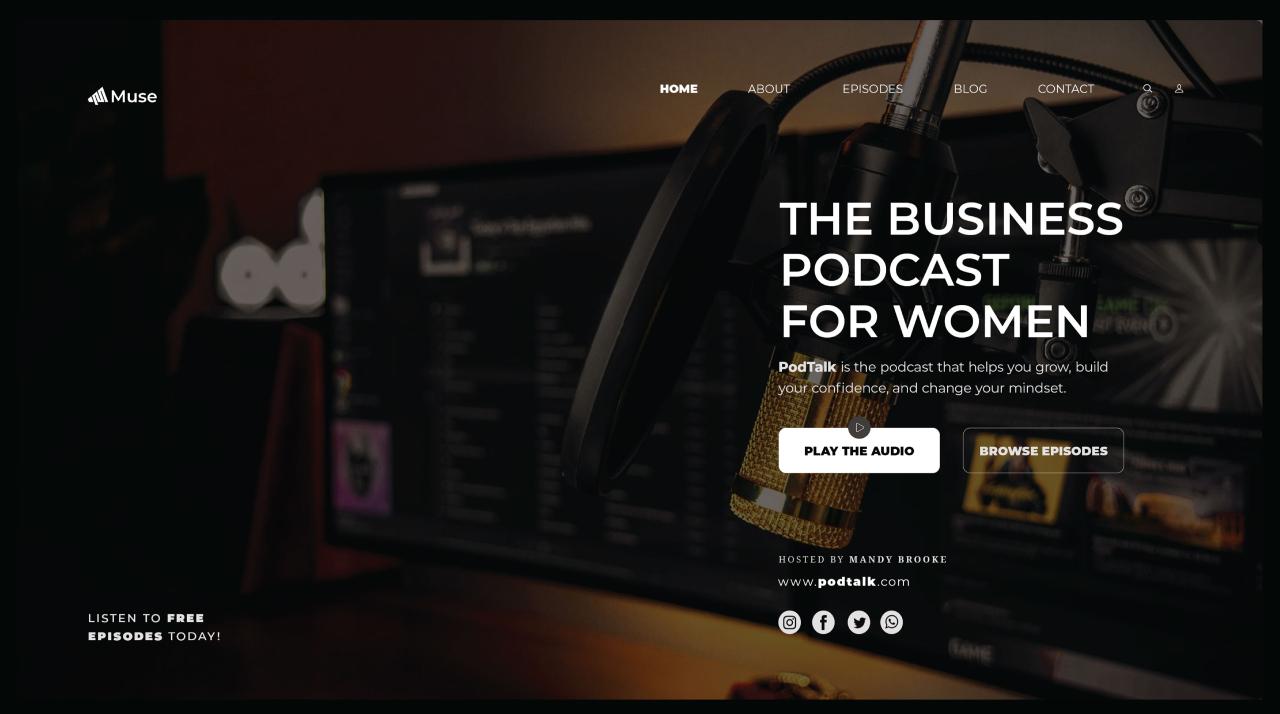
A strong podcast brand hinges on a deep understanding of its target audience. Knowing who you’re speaking to allows for tailored content, effective marketing strategies, and a vibrant community. Without a clear understanding of your listeners, your podcast risks becoming a monologue rather than a conversation.Identifying your target audience is not just about demographics; it’s about understanding their motivations, interests, and needs.
This knowledge enables you to craft content that resonates deeply and fosters genuine connections with your listeners. This process should be an ongoing one, as audience interests and needs evolve over time.
Understanding Target Audience Importance
Knowing your target audience is critical for podcast branding success. It enables the creation of content that resonates, fosters a sense of community, and ultimately drives listener engagement and growth. This involves understanding their needs, interests, and motivations to craft compelling narratives that keep them coming back for more. It is crucial for the overall success and sustainability of the podcast.
Methods for Identifying and Segmenting Your Target Audience
Effective audience identification relies on a multi-faceted approach. Data collection and analysis should be your first step. Analyzing existing podcast data, such as listener demographics and listening patterns, provides valuable insights into who is currently engaged with your content. Social media listening and market research provide complementary insights. Surveys, focus groups, and interviews are valuable tools to uncover in-depth understanding of listener preferences and motivations.
Understanding the competitive landscape is also crucial, to see what other podcasts are targeting similar audiences and what they are doing to engage them. This information provides valuable comparisons and insights.
Examples of Effective Engagement Strategies
Engaging your target audience extends beyond creating compelling content. Building a strong community is key to fostering loyalty and interaction. Regular Q&A sessions, live streams, and interactive polls encourage participation and create a sense of belonging. Leveraging social media platforms to facilitate discussion and feedback is essential. Creating exclusive content for subscribers or community members further enhances engagement and loyalty.
Developing a Target Audience Profile
A comprehensive target audience profile is a critical step in developing a strong podcast brand. This profile is a detailed representation of your ideal listener. The process involves gathering data from various sources and analyzing the patterns and trends. The data should be structured to include demographics (age, gender, location, profession), psychographics (interests, values, lifestyle, attitudes), and listening habits (time of day, platform preferences, content consumption).
This allows for targeted marketing and content creation, ensuring that the podcast message reaches the intended audience effectively.
| Category | Description | Example |
|---|---|---|
| Demographics | Age, gender, location, occupation, income | Age 25-40, female, located in major US cities, working professionals |
| Psychographics | Interests, values, lifestyle, attitudes | Passionate about personal finance, values frugality, enjoys travel and outdoor activities, seeks practical advice |
| Listening Habits | Time of day, platform preferences, content consumption | Listens during commute, prefers Apple Podcasts, consumes 2-3 podcasts weekly |
Leveraging Social Media and Other Platforms
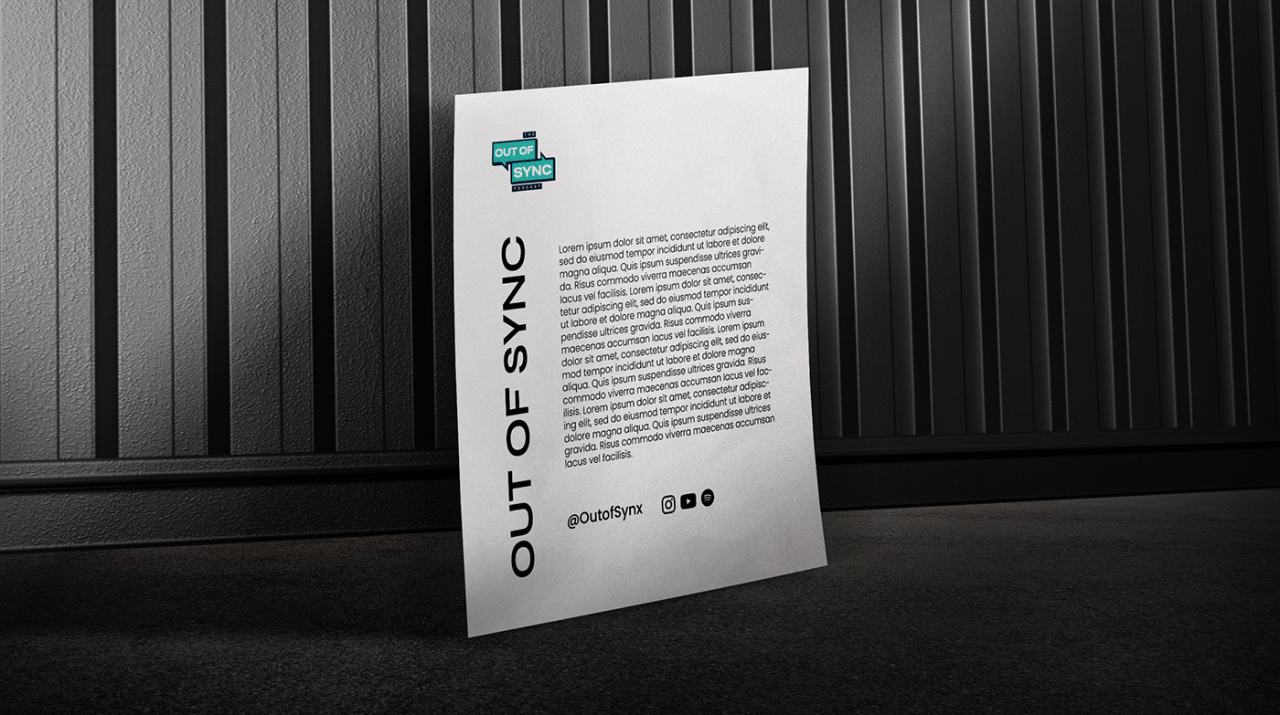
Building a strong online presence is crucial for podcast promotion. Social media and other platforms provide invaluable tools to engage with potential listeners, fostering a community around your podcast and reinforcing your brand identity. This section Artikels effective strategies for leveraging these platforms to amplify your podcast’s reach and impact.Consistent engagement and active participation across multiple platforms are essential for nurturing a loyal audience.
This approach creates a cohesive and recognizable brand experience, ultimately driving listener acquisition and podcast growth. Creating a dedicated social media calendar is a practical step in achieving this consistency.
Strategies for Building a Social Media Presence
Effective social media engagement involves more than simply posting. It requires a strategic approach focused on building relationships and fostering community. Understanding your target audience’s preferences and tailoring your content accordingly is key. For example, if your audience enjoys interactive polls and quizzes, incorporate them into your social media strategy.
Social Media Platforms and Their Roles
Various social media platforms offer distinct opportunities for podcast promotion. Each platform has a unique user base and content consumption patterns. A tailored approach for each platform is essential to optimize reach and engagement.
- Twitter: Twitter’s rapid-fire nature allows for quick updates, announcements, and interaction with listeners. Sharing snippets of episodes, behind-the-scenes content, and engaging with comments fosters a sense of community. Hashtags are critical for visibility, allowing listeners to find relevant content.
- Instagram: Visual storytelling is key on Instagram. Use high-quality images and videos to promote your podcast. Showcase guest interviews, behind-the-scenes looks at recordings, and engaging graphics to capture attention.
- Facebook: Facebook’s larger user base makes it an excellent platform for reaching a wider audience. Create a dedicated Facebook page for your podcast and use posts to share episode details, promote episodes, and interact with fans.
- TikTok: Short-form video content is popular on TikTok. Create engaging clips, behind-the-scenes footage, or quick summaries of episodes to attract a younger audience.
- YouTube: YouTube provides an opportunity for in-depth content, including full episodes, interviews, and longer-form video discussions. This fosters a strong connection with listeners who prefer video content.
- LinkedIn: If your podcast targets a professional audience, LinkedIn is an excellent platform to reach potential listeners. Share insights, engage in discussions relevant to your niche, and promote episodes related to professional development.
- Podcast-Specific Platforms: Platforms like Apple Podcasts and Spotify offer built-in promotion tools. Utilize these features to reach potential listeners who are actively searching for podcasts.
Consistent Messaging Across Platforms
Maintaining a unified brand identity across all platforms is paramount. Using a consistent brand voice, visual identity, and key messaging across various social media platforms is critical. This unified presentation builds brand recognition and strengthens listener trust. For example, use the same logo, color scheme, and font across all your social media profiles. This consistency reinforces brand recognition and builds listener trust.
Measuring and Adapting Your Podcast Brand Identity

A strong podcast brand identity isn’t static; it evolves with audience engagement and market trends. Regularly assessing key metrics allows podcasters to understand what resonates with listeners and adjust strategies accordingly. This dynamic approach ensures the podcast remains relevant and maintains its appeal.Podcast brand effectiveness isn’t just about initial impressions; it’s about ongoing connection and growth. Continuous monitoring and analysis are crucial to recognizing areas for improvement and capitalizing on successful elements.
This allows podcasters to stay attuned to listener preferences and adapt to emerging trends.
Tracking Key Metrics for Podcast Performance
Understanding podcast performance involves tracking various metrics that provide insights into audience engagement and brand reception. These metrics allow podcasters to gauge the effectiveness of different strategies. A comprehensive approach includes analyzing downloads, listener retention, and social media interactions.
- Podcast Downloads: Tracking download numbers helps understand initial audience interest and potential reach. A consistent increase in downloads signifies positive reception, while a decline may signal a need for adjustments to the podcast’s content or marketing strategy.
- Listener Retention: Analyzing how many listeners return for subsequent episodes offers insights into the podcast’s appeal and value proposition. High listener retention indicates a strong engagement with the content, while a low rate might point to areas needing improvement in the podcast format or structure.
- Social Media Engagement: Monitoring social media interactions (likes, shares, comments) helps evaluate how effectively the podcast brand is communicating with its target audience. A substantial increase in social media engagement suggests a successful branding strategy, while low engagement might indicate a need for adjustments in social media content or podcast promotion strategies.
- Website Analytics: Tracking website traffic related to the podcast reveals how the podcast brand is performing in terms of visibility and reach. High traffic indicates strong interest, while low traffic suggests a need for improvement in online promotion or podcast visibility.
Monitoring Podcast Performance Metrics
Implementing systems for regularly monitoring podcast metrics is crucial. Podcast hosting platforms often provide built-in analytics dashboards that track downloads, plays, and other key metrics. Using these tools allows for a clear overview of podcast performance.
- Utilizing Analytics Tools: Podcast hosting platforms offer various analytics tools to track key metrics such as downloads, plays, and listener demographics. These tools provide valuable insights into audience engagement and help identify patterns in listener behavior.
- Implementing Tracking Systems: Setting up tracking systems to monitor website traffic, social media engagement, and email sign-ups offers a comprehensive view of the podcast’s performance and the effectiveness of the branding strategy.
- Regular Reporting: Regularly reviewing data and creating reports from tracking systems allows for informed decisions regarding podcast branding. This process facilitates understanding of trends and patterns, which can be used to adapt the podcast branding strategy accordingly.
Data-Driven Decisions to Adapt Podcast Branding Strategies
Analyzing data is essential to adapt and improve podcast branding. Understanding trends and patterns helps in making data-driven decisions to enhance the podcast’s overall appeal. This iterative approach allows the podcast to continuously improve.
- Example 1: A podcast experiences a decrease in downloads. Analyzing the data reveals a shift in listener preferences. The podcast then adapts its content and marketing to align with the current listener preferences, leading to an increase in downloads.
- Example 2: A podcast observes low listener retention. The analysis of listening patterns reveals listeners dropping off after the third episode. By adjusting the format and content of the later episodes to better engage listeners, the podcast increases listener retention.
Evaluating Branding Elements
A crucial aspect of podcast branding is evaluating its effectiveness. This process ensures alignment between the chosen branding elements and the podcast’s actual performance.
- Podcast Name: Evaluating if the podcast name effectively communicates the podcast’s niche and target audience. If the name doesn’t resonate with listeners, it might be time to consider a change.
- Podcast Tagline: Assessing if the tagline accurately captures the podcast’s essence and unique value proposition. A tagline that fails to reflect the podcast’s content might need adjustment.
- Visual Identity: Evaluating the visual elements to ensure they reflect the podcast’s overall brand and resonate with the target audience. Visuals that are inconsistent with the podcast’s brand might need revisions.
Ending Remarks
In conclusion, creating a strong podcast brand identity is a multifaceted process that requires careful consideration of your niche, name, visual elements, voice, format, audience, and social media presence. By implementing the strategies Artikeld in this guide, you can effectively position your podcast for success, fostering a loyal listener base and achieving your podcasting goals. Remember to consistently adapt and measure your progress to optimize your podcast brand identity over time.