Crafting a captivating podcast trailer is crucial for attracting listeners and driving engagement. This guide delves into the essential elements, from crafting a compelling hook to showcasing the unique value proposition of your podcast. Discover actionable strategies to use audio, music, and visual elements effectively, and learn how to write a compelling script. We’ll explore the importance of testing and refining your trailer to maximize its impact.
This comprehensive guide covers the entire process, from defining the purpose of a podcast trailer to optimizing its structure and length. It provides practical examples and actionable strategies for creating a trailer that stands out from the competition and draws in potential listeners.
Podcast Trailer Essentials
A podcast trailer acts as a compelling advertisement, enticing potential listeners to subscribe and delve into the podcast’s content. It’s a crucial element for attracting new audiences and fostering engagement with the show’s unique offerings. Its concise and captivating nature is key to grabbing attention in a saturated audio landscape.Effective podcast trailers are more than just a collection of sound bites; they are carefully crafted narratives that effectively communicate the essence of the podcast.
They must skillfully blend compelling audio, intriguing music, and concise storytelling to resonate with listeners. This involves highlighting the podcast’s unique selling points and the value it brings to its audience.
Key Elements for Engaging Trailers
A captivating podcast trailer is meticulously constructed using a combination of strategic elements. These elements are vital for effectively communicating the essence of the podcast to potential listeners. Understanding and mastering these elements is critical to success.
- Compelling Hook: The initial few seconds are critical. Listeners must be immediately drawn in by a captivating hook, which might include a compelling question, an intriguing sound effect, or a memorable musical phrase. A strong hook immediately sets the tone and piques the listener’s curiosity.
- Clear and Concise Messaging: Trailers should clearly and concisely communicate the podcast’s central theme, target audience, and key benefits. The information should be easily digestible, conveying the podcast’s essence without overwhelming the listener.
- Showcasing the Host’s Persona: The host’s personality is a crucial element. The trailer should showcase their unique style, enthusiasm, and expertise. A warm and inviting host personality can significantly influence the perception of the podcast.
- High-Quality Audio and Music: Professional-quality audio and background music are essential. Clear audio and well-chosen music enhance the listener’s experience, making the trailer more engaging and enjoyable.
- Strategic Use of Sound Effects and Music: Sound effects and music should be strategically employed to reinforce the trailer’s message and evoke the desired emotions in the listener. They should enhance, not distract, from the overall message.
Podcast Trailer Characteristics
A captivating podcast trailer is more than just an advertisement; it’s a carefully curated experience that promises a rewarding listening journey. The characteristics of such a trailer are designed to leave a lasting impression and stimulate the listener’s desire to learn more.
- Intriguing Narrative: A good podcast trailer tells a brief, engaging story that encapsulates the essence of the podcast’s content. This allows listeners to quickly grasp the podcast’s purpose and potential value.
- Authenticity: A genuine representation of the podcast’s content is vital. The trailer should accurately reflect the podcast’s tone, style, and unique qualities.
- Emotional Connection: A compelling trailer can evoke emotions like excitement, curiosity, or anticipation. These emotions can create a deeper connection with the listener, motivating them to explore the podcast further.
- Call to Action: A clear call to action, such as subscribing to the podcast, is crucial. This action encourages listeners to take the next step and engage with the show.
Detailed Table of Podcast Trailer Elements
This table summarizes the key elements of an engaging podcast trailer, outlining their importance and providing illustrative examples.
| Element | Description | Importance | Example |
|---|---|---|---|
| Hook | The initial captivating element that draws the listener in. | Creates immediate interest and sets the tone. | A surprising statistic, a thought-provoking question, or an intriguing sound effect. |
| Messaging | Clear communication of the podcast’s topic, target audience, and key benefits. | Provides context and value proposition to potential listeners. | “Discover the secrets of successful entrepreneurship in this weekly podcast.” |
| Host Persona | Displaying the host’s personality and enthusiasm. | Creates a connection with the listener, fostering trust and interest. | A friendly and engaging host introducing the topic. |
| Audio Quality | High-quality sound and music. | Enhances the listener’s experience and professionalism. | Clear and crisp audio, suitable background music. |
Crafting a Compelling Hook
Crafting a compelling hook is paramount for podcast trailers. It’s the first impression, and a captivating introduction can instantly draw listeners in, making them eager to learn more about your podcast. This section delves into techniques for creating a powerful opening that piques interest and sets the stage for an engaging listening experience.A strong hook effectively summarizes the essence of the podcast and its unique value proposition.
It needs to be concise, memorable, and ideally, a taste of the unique voice and style that sets the podcast apart.
Creating an Instant Connection
A compelling hook is designed to grab attention from the first few seconds. This involves careful selection of words and sounds to immediately evoke curiosity and a desire to discover more. Effective hooks often utilize intrigue, humor, or surprising statements to pique interest. The initial few seconds of the trailer should be designed to leave listeners wanting to know more.
Examples of Powerful Opening Lines
Powerful opening lines or soundbites can set the tone for the entire podcast. These should clearly and concisely reflect the podcast’s core theme or unique selling point. For example, “Uncover the secrets behind the world’s most fascinating mysteries” creates intrigue and hints at the podcast’s scope. Alternatively, “Laugh your way through the absurdities of everyday life” immediately establishes a humorous tone.
A captivating opening line or soundbite should resonate with the target audience.
Techniques for Building Anticipation
Building anticipation in the first few seconds is crucial. Employing suspenseful music, dramatic sound effects, or a voiceover that hints at the podcast’s content can significantly impact listeners’ perception. A slow, deliberate introduction can create anticipation and curiosity. For example, a trailer could start with an intriguing question, an intriguing snippet of dialogue, or a mystery to be solved, prompting listeners to want to hear the answers.
These techniques can increase engagement and leave a lasting impression.
Comparing Hook Strategies
The effectiveness of different hook strategies can vary depending on the podcast’s niche and target audience. This table provides a comparison of common hook strategies:
| Hook Strategy | Description | Effectiveness | Example |
|---|---|---|---|
| Mystery | Intrigue listeners by presenting a puzzle or unanswered question. | High, particularly for true crime or mystery podcasts. | “A chilling whisper in the dead of night… What happened that night?” |
| Humor | Use humor to create a lighthearted and engaging atmosphere. | High, if appropriate for the target audience and podcast style. | “Ever wondered why cats do the weirdest things? Prepare to be amazed!” |
| Shocking Statement | Start with a bold, surprising statement to grab attention. | High, but needs to be relevant and appropriate. | “Did they really do it? The shocking truth is coming soon.” |
Highlighting the Podcast’s Unique Value Proposition
A compelling podcast trailer needs to clearly articulate what makes your show stand out from the crowd. This involves showcasing the unique value proposition, targeting the right audience, and effectively differentiating your podcast from competitors. This section will delve into strategies for effectively communicating these key aspects.The unique value proposition (UVP) is the essence of what sets your podcast apart.
It’s the specific benefit listeners gain from tuning in, beyond simply hearing a new perspective. A well-defined UVP will resonate with your target audience and motivate them to subscribe. Effective communication of this UVP in the trailer is crucial for capturing their attention and building anticipation.
Communicating the Podcast’s Unique Selling Points
A trailer should concisely highlight the key selling points of the podcast. This includes identifying the specific benefits listeners can expect from listening, such as in-depth analysis, exclusive interviews, or a unique perspective on a particular topic. Clear and concise language is essential to quickly convey the value proposition to potential listeners. Avoid jargon or technical terms unless your target audience is familiar with them.
Highlighting the Target Audience and Appealing to Potential Listeners
Identifying the ideal listener profile allows for targeted messaging in the trailer. Consider demographic factors, interests, and motivations. This helps craft a trailer that speaks directly to the intended audience, creating a sense of connection and relevance. Tailor the language and tone of the trailer to resonate with the specific characteristics of your target audience. For example, if the target audience is young professionals, the trailer should use language and imagery that speaks to their aspirations and concerns.
Differentiating the Podcast from Similar Shows
The podcast landscape is vast. Clearly articulating what makes your show unique is crucial. Highlight the podcast’s specific niche, the unique perspectives of the hosts, or the distinctive format. If the show uses a specific style of storytelling, such as narrative storytelling or a conversational approach, highlight this aspect. Explain what sets it apart from other podcasts in the same genre.
Podcast Key Features, Benefits, and Target Audience
| Key Feature | Benefit | Target Audience |
|---|---|---|
| In-depth interviews with industry experts | Access to exclusive insights and perspectives | Professionals seeking to advance their careers in the tech industry, specifically in software engineering. |
| Analysis of current trends in software development | Stay ahead of the curve in the rapidly evolving tech landscape | Software developers, entrepreneurs, and investors interested in emerging technologies. |
| Actionable advice on software development best practices | Improve efficiency, productivity, and overall software quality | Software developers, project managers, and team leaders seeking practical guidance on software development processes. |
Using Audio and Music Effectively
Crafting an engaging podcast trailer relies heavily on the effective use of audio, particularly music and sound effects. The right auditory elements can draw listeners in, establish the podcast’s tone, and create a lasting impression. Selecting appropriate music and sound design is crucial for building anticipation and reinforcing the podcast’s unique identity.Audio elements in a trailer are not merely background noise; they are integral to conveying the essence of the podcast.
The right selection of music and sound effects can elevate a simple trailer into a compelling preview that entices listeners to tune in. These elements, when skillfully employed, serve to highlight the podcast’s key attributes, creating a compelling and memorable experience.
Choosing Music that Aligns with the Podcast’s Theme and Tone
Selecting music that complements the podcast’s theme and tone is paramount. This choice should reflect the overall atmosphere and style of the podcast. For example, a documentary-style podcast might benefit from a somber, atmospheric piece, while a comedic podcast could use upbeat, quirky music. The music should subtly evoke the feeling and content of the podcast without overpowering the dialogue.Consider the following strategies for choosing appropriate music:
- Genre Matching: A podcast about true crime might use a suspenseful, orchestral score, whereas a podcast about pop culture could utilize a catchy, contemporary tune.
- Mood Setting: If the podcast is intended to be humorous, upbeat and energetic music is best. A podcast about personal finance could use calming and thoughtful music.
- Emotional Impact: Music should subtly enhance the trailer’s emotional impact. For example, music that evokes feelings of mystery or intrigue can be effective for trailers promoting a mystery podcast. If the trailer features interviews, music that evokes trust and intimacy might work well.
Using Sound Effects to Create a Sense of Atmosphere and Anticipation
Strategic use of sound effects can build anticipation and set the scene for the podcast. These subtle elements can enhance the trailer’s impact, creating a specific atmosphere. For instance, the sound of a ticking clock could be used in a mystery podcast trailer, while the sound of a bustling city street might be used for a podcast about urban life.
Sound effects can enhance the listener’s engagement and create a more immersive experience.
- Creating Atmosphere: Carefully chosen sound effects can help establish the tone of the podcast. A trailer for a nature podcast might incorporate sounds of birdsong, while a trailer for a podcast about space exploration might include sounds of rockets launching.
- Building Anticipation: Using sound effects that build tension, such as a suspenseful string crescendo, can pique listener interest. A suspenseful or horror podcast could utilize ominous sound effects to build a sense of dread.
- Enhancing the Story: Sound effects can be used to bring the podcast’s narrative to life. For example, a podcast about historical events could incorporate sounds of historical battles, while a podcast about cooking could incorporate the sounds of sizzling food.
Balancing Music and Dialogue to Maintain Listener Interest
Balancing music and dialogue is essential for maintaining listener interest. The music should complement the dialogue, not overpower it. The volume levels of both elements should be carefully adjusted to ensure that both are easily audible and don’t interfere with each other. Careful attention to the volume balance creates a well-rounded listening experience.
- Volume Control: The music should serve as a backdrop, not a distraction. The dialogue should be clear and easily understood. Ensure both elements are audible without competing for attention.
- Strategic Placement: Use music to build anticipation or emphasize key moments in the trailer. Dialogue should be featured prominently during introductions, interviews, or other critical segments.
- Dynamic Range: Varying the volume of music and dialogue creates a more engaging experience. This helps to maintain interest and avoid monotony.
Showcasing the Hosts and Guests
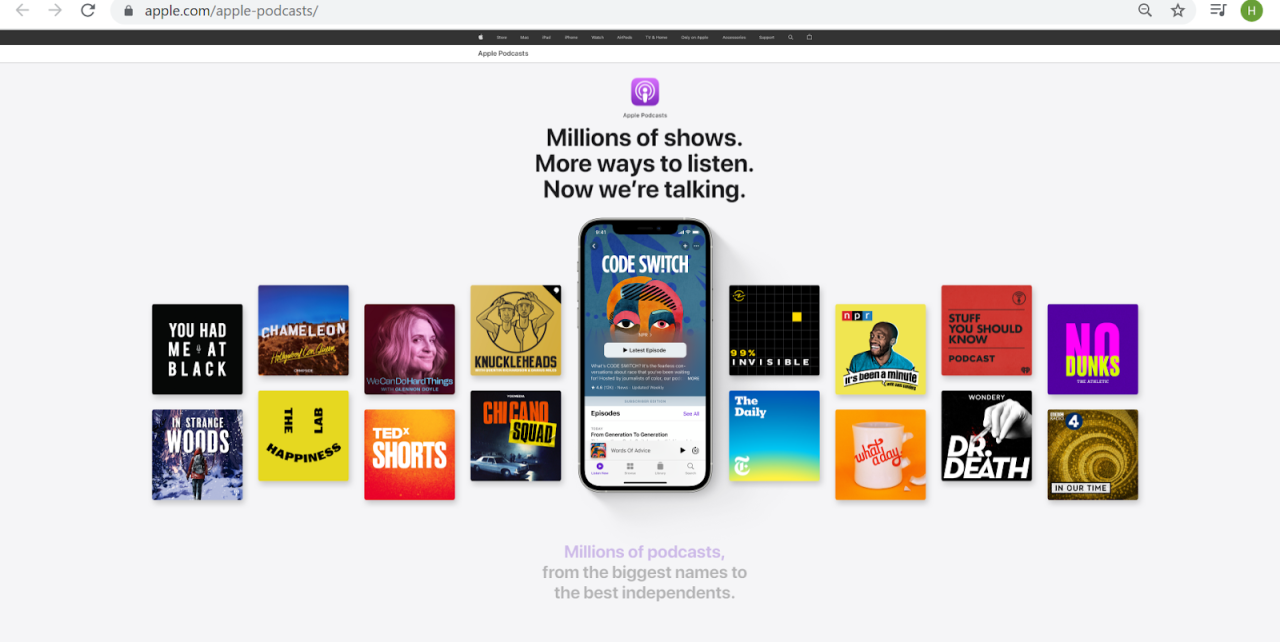
A compelling podcast trailer not only highlights the podcast’s content but also introduces its hosts and guests in a way that captivates potential listeners. This section delves into strategies for effectively showcasing the personalities of these individuals, using their voices and insights to build rapport and anticipation for the podcast’s episodes.The goal is to make the hosts and guests feel approachable and engaging, creating a connection with the audience before they even listen to the actual podcast.
This approach aims to resonate with the target audience and encourage them to subscribe and tune in to future episodes.
Introducing Hosts and Guests Memorable
Effective introductions for hosts and guests should go beyond simple name drops. They should hint at the personalities and unique perspectives each individual brings to the podcast. Using a brief, compelling snippet of their voices can be extremely impactful. This is where the art of concise and engaging storytelling comes into play.
Showcasing Host and Guest Personalities
To showcase the personality of hosts and guests, consider highlighting their distinct styles and voices. This can be achieved by selecting excerpts that capture their enthusiasm, humor, or thoughtfulness. A thoughtful approach is to use clips that reflect the unique contributions each individual brings to the podcast. For example, if a host is known for their wit, a humorous anecdote can be showcased.
If a guest is known for their expertise, a concise summary of their key insights can be presented. The selection of these snippets should mirror the overall tone and style of the podcast.
Using Voice Snippets to Build Rapport
Using brief, compelling excerpts of the hosts’ and guests’ voices is a powerful technique. These snippets should convey their enthusiasm, knowledge, and unique perspectives. By listening to these brief audio samples, potential listeners gain a sense of the podcast’s engaging dynamics. This strategy creates anticipation and a desire to learn more about the podcast’s content. Crafting these snippets strategically ensures that listeners hear the essence of the host or guest’s personality.
Example Host/Guest Introductions and Impact
| Host/Guest Introduction | Impact |
|---|---|
| “Welcome back to the show, everyone! Today we have Dr. Emily Carter, renowned astrophysicist, with us to discuss the latest breakthroughs in the search for extraterrestrial life.” | Creates anticipation by highlighting the guest’s expertise and the topic’s intrigue. The use of “renowned” adds credibility. |
| “Hi, I’m Sarah, and today I’m joined by my colleague, Mark, a seasoned entrepreneur. We’re going to dive into the surprising challenges of launching a new business in the digital age.” | Builds rapport by showcasing the friendly and engaging nature of the hosts. The description of the topic also draws listeners in. |
| “(A short, upbeat musical intro fades out). Welcome back to the podcast! This week, we’re talking about the future of sustainable agriculture with expert farmer, Anya Sharma.” | Sets the tone for the episode. The musical intro, coupled with the host’s enthusiasm, creates a welcoming atmosphere. |
Adding Visual Elements (if applicable)
Visuals can significantly enhance a podcast trailer, making it more engaging and memorable for potential listeners. They provide a visual context to complement the audio narrative, increasing audience connection and recall. This section explores strategies for integrating visuals, focusing on creating a cohesive style that aligns with the podcast’s brand identity.Incorporating visuals, when appropriate, can transform a simple audio trailer into a dynamic and compelling preview.
A well-designed visual element can draw viewers in, reinforcing the podcast’s message and fostering interest. This approach is especially beneficial for podcasts aiming for a broader audience reach or those targeting a specific visual aesthetic.
Visual Styles and Their Impact
Visuals should resonate with the podcast’s tone and theme. For example, a science fiction podcast might use futuristic imagery, while a cooking podcast might showcase vibrant food photography. The consistent visual style reinforces the podcast’s brand identity and creates a recognizable aesthetic.
Methods for Creating Visuals
Creating visuals that enhance the trailer’s impact involves several key methods. High-quality images, graphics, and video clips are crucial. These elements must be professionally edited and in sync with the audio narrative. The visual style must match the podcast’s overall brand identity, whether it is minimalist, colorful, or abstract. This includes ensuring color palettes, fonts, and graphic elements align.
Examples of Effective Visuals
Numerous visual elements can be effectively employed. Animated graphics, such as stylized text or simple animations, can add a playful touch. Stock footage can provide context and visual interest, like establishing shots of a bustling city for a podcast about urban life. Photographs of the podcast hosts or guests can create a personal connection with the audience.
High-quality video footage, if applicable, can showcase the podcast’s unique elements, like interviews or behind-the-scenes moments. For instance, a podcast about travel might incorporate visually appealing travel destinations as backdrop elements.
Cohesive Visual Style for Brand Identity
A cohesive visual style is paramount to creating a strong brand identity. A consistent color palette, font choices, and graphic elements will make the podcast trailer recognizable and impactful. This style should reflect the podcast’s tone, whether it’s serious, humorous, or informative. For example, a podcast on personal finance might use a muted color palette and clean typography, while a podcast on pop culture might use bold colors and playful fonts.
Maintaining consistency across all visual elements in the trailer will reinforce the podcast’s brand and improve audience recognition.
Writing a Compelling Script
Crafting a compelling script is crucial for a captivating podcast trailer. A well-written script effectively communicates the podcast’s essence, enticing listeners to delve deeper into its content. It must capture the core values and personality of the podcast, showcasing its unique appeal in a concise and engaging manner.A compelling script is more than just a list of words; it’s a carefully orchestrated narrative that draws the listener in.
It should use vivid language, intriguing descriptions, and a dynamic structure to paint a picture of the podcast’s world and spark curiosity. It should also consider the target audience, tailoring the language and tone to resonate with them.
Script Writing Process
A well-structured scriptwriting process ensures a trailer effectively highlights the podcast’s unique selling points. Begin by thoroughly understanding the podcast’s content, tone, and target audience. This deep dive into the podcast’s identity informs the script’s language and style. A comprehensive Artikel, outlining key themes and narratives, guides the writing process. This Artikel should also include anticipated listener reactions and tailor the script accordingly.
Using short, impactful sentences and strong verbs is essential for maintaining listener interest.
Engaging and Concise Descriptions
To create compelling descriptions, consider the core themes of the podcast. Each description should encapsulate the essence of a specific episode or recurring theme. The language should be concise, evocative, and intriguing, piquing the listener’s interest without revealing too much. Consider using evocative language, intriguing questions, or intriguing scenarios to create anticipation. Avoid overly technical jargon or complex sentence structures.
Keep the descriptions brief, focusing on the most exciting and essential aspects.
Representing Podcast Tone and Style
The script should accurately reflect the podcast’s unique tone and style. For example, a humorous podcast would use witty banter and lighthearted humor, while an informative podcast would rely on clear, concise language and expert insights. The tone should remain consistent throughout the trailer, creating a cohesive and recognizable identity. Understanding the podcast’s brand personality and the target audience’s preferences are essential to achieving this consistency.
Script Example
| Scene | Dialogue | Audio Effects | Visual Description |
|---|---|---|---|
| Opening Scene | (Upbeat music fades in) Host 1: Welcome to “The Tech Titans,” where we dissect the latest tech trends. | Upbeat, electronic music; subtle whooshing sound effect | Fast-paced montage of futuristic technology images; animated graphic with “The Tech Titans” logo |
| Mid-point Scene | Host 2: Today, we’re diving deep into the future of artificial intelligence. | Sound of a whirring computer; soft, melodic music | Split-screen; one side shows a futuristic city, the other side shows a computer interface with complex algorithms |
| Closing Scene | Host 1: Join us for “The Tech Titans” every Tuesday! Subscribe now! | Music fades out; sound of a notification chime | Show podcast logo with social media handles; screen transitions to black |
Ensuring Trailer Length and Structure

Podcast trailers are crucial for attracting listeners. Optimizing their length and structure is vital for capturing attention and effectively conveying the essence of the podcast. A well-structured trailer should entice listeners to delve deeper into the content, not overwhelm them with information.A trailer’s effectiveness hinges on its ability to encapsulate the podcast’s unique value proposition, pique interest, and motivate listeners to subscribe.
A carefully crafted structure ensures that the trailer successfully delivers on this promise.
Optimal Trailer Length
The ideal trailer length varies based on the podcast’s format and target audience. A concise and engaging trailer, rather than a lengthy one, is often more impactful. Generally, trailers between 30 and 60 seconds are highly effective for grabbing attention and conveying essential information. Longer trailers risk losing listener interest, while shorter ones may not adequately showcase the podcast’s core appeal.
A/B testing different trailer lengths can help determine the optimal duration for a specific podcast.
Trailer Structure for a Clear and Engaging Narrative
A well-structured trailer employs a clear narrative arc. This involves a beginning, middle, and end, designed to build anticipation and excitement. The beginning should immediately hook the listener, the middle should showcase the podcast’s unique value proposition, and the end should leave the listener wanting more, encouraging them to subscribe.
Examples of Different Trailer Structures and Their Effectiveness
Several trailer structures can be effective, depending on the podcast’s content. A common structure involves introducing the hosts, briefly highlighting the topic, and showcasing a captivating soundbite from an episode. Another structure might focus on the problem the podcast solves, presenting a solution, and ending with a call to action. The structure should align with the podcast’s tone and style, ensuring consistency and coherence.
For example, a comedy podcast might use humor and quick cuts to engage listeners, while an educational podcast might utilize a more informative and direct approach.
Trailer Length Recommendations
| Podcast Format | Recommended Length (seconds) | Rationale |
|---|---|---|
| Interview-based | 30-45 | Focus on captivating soundbites from guests and quick introductions. |
| News/Current Affairs | 45-60 | Provide brief summaries of key topics and engaging discussion points. |
| Educational/Informative | 45-60 | Highlight key takeaways and experts’ insights. |
| Comedy/Entertainment | 30-45 | Use humor and quick cuts to keep listeners engaged. |
| True Crime/Mystery | 45-60 | Use suspenseful music and intriguing soundbites to build anticipation. |
This table provides general recommendations. Testing different lengths and structures with the target audience can help fine-tune the most effective approach for a particular podcast.
Testing and Refining the Trailer
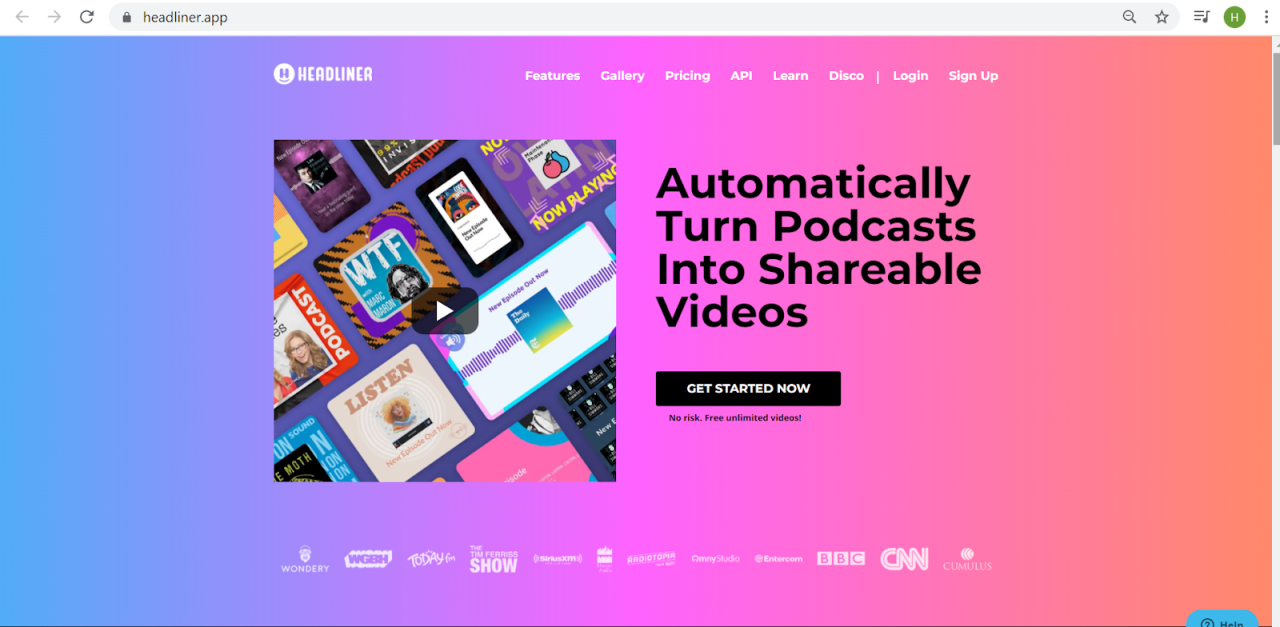
A crucial step in podcast trailer creation is rigorous testing and refinement. Understanding how your target audience perceives your trailer is essential for maximizing its impact and effectiveness. Thorough testing allows for adjustments and improvements based on real-world feedback, ensuring your trailer resonates with potential listeners.Testing allows you to identify areas for improvement and refine the trailer to better connect with your intended audience.
This iterative process ensures your trailer is as engaging and effective as possible.
Importance of Audience Testing
Testing your trailer with diverse audiences is paramount to success. A trailer that resonates with a focus group may not connect with a wider audience. This is why it is essential to gather feedback from different demographics, ensuring a broad range of perspectives. This broader perspective allows for a more nuanced understanding of the trailer’s strengths and weaknesses, enabling you to craft a more compelling product.
Gathering Feedback
Effective feedback collection requires a structured approach. Use a questionnaire or feedback form to capture detailed responses. Ask specific questions about the trailer’s visual appeal, audio quality, script clarity, and overall impression. Consider using a mix of open-ended and closed-ended questions to gain a comprehensive understanding of listener responses. Providing a platform for listeners to share their thoughts and experiences will be invaluable in improving the trailer.
Methods for Refining the Trailer
Analyze the collected feedback meticulously. Identify common themes and patterns in the responses. Focus on areas where the trailer received negative feedback. For example, if many listeners found the music distracting, consider adjusting the music track or volume levels. If the script was confusing, reword the script to improve clarity.
Be receptive to suggestions and use them to refine the trailer, tailoring it to the audience’s preferences.
Template for Collecting and Analyzing Audience Feedback
A structured template will facilitate the feedback collection process and analysis.
| Question | Possible Responses | Analysis |
|---|---|---|
| Overall impression of the trailer | Excellent, Good, Fair, Poor | Identify trends in the overall reception. If “Poor” is a frequent response, investigate specific areas of concern. |
| Clarity of the podcast’s premise | Clear, Somewhat Clear, Unclear | Assess the effectiveness of conveying the podcast’s key message. Unclear responses should be examined to identify areas needing improvement. |
| Engagement level of the trailer | Very Engaging, Engaging, Neutral, Disengaging | Identify aspects of the trailer that captivate or repel the audience. If the response is “Disengaging”, pinpoint reasons and implement necessary adjustments. |
| Suggestions for improvement | Open-ended | Gather specific feedback from listeners. These suggestions can be invaluable in refining the trailer. |
Implementing these strategies for testing and refining your podcast trailer will result in a product that effectively captures the attention of your target audience and enhances the overall listening experience. This data-driven approach ensures your podcast trailer is optimized for success.
End of Discussion
In conclusion, creating an exciting podcast trailer involves a multi-faceted approach that considers various elements, including captivating hooks, effective use of audio and visuals, and a compelling script. By understanding and implementing the strategies Artikeld in this guide, you can significantly enhance your podcast’s visibility and attract a wider audience. Remember, testing and refinement are critical for achieving optimal results.