Choosing the optimal podcast format is crucial for success. This guide delves into the key elements that underpin a compelling podcast, from defining format types and evaluating goals to considering audience engagement, production resources, content strategy, technology selection, and adaptation.
Understanding various podcast formats—interview-style, solo, panel, storytelling, documentary, news, how-to, and comedic—and their unique characteristics is essential. Analyzing target audience preferences, production costs, and content strategy is vital for maximizing listener engagement and achieving podcast objectives.
Defining Podcast Format Types
Podcast formats are crucial for establishing a podcast’s identity and attracting a specific audience. Understanding the various types and their characteristics allows creators to tailor their content and maximize engagement. Different formats cater to diverse listener preferences, from in-depth discussions to lighthearted entertainment.
Podcast Format Classifications
Podcast formats can be broadly categorized based on their structure and content. These categories range from straightforward solo presentations to complex panel discussions. Each format presents unique opportunities for storytelling and connection with listeners.
- Interview-Style Podcasts: These podcasts feature interviews with experts, guests, or individuals with unique perspectives. Key characteristics include in-depth discussions, insightful perspectives, and a conversational tone. Examples include podcasts focusing on business strategies, personal development, or celebrity interviews. This format allows for exploring diverse topics and fostering interaction between the host and guests.
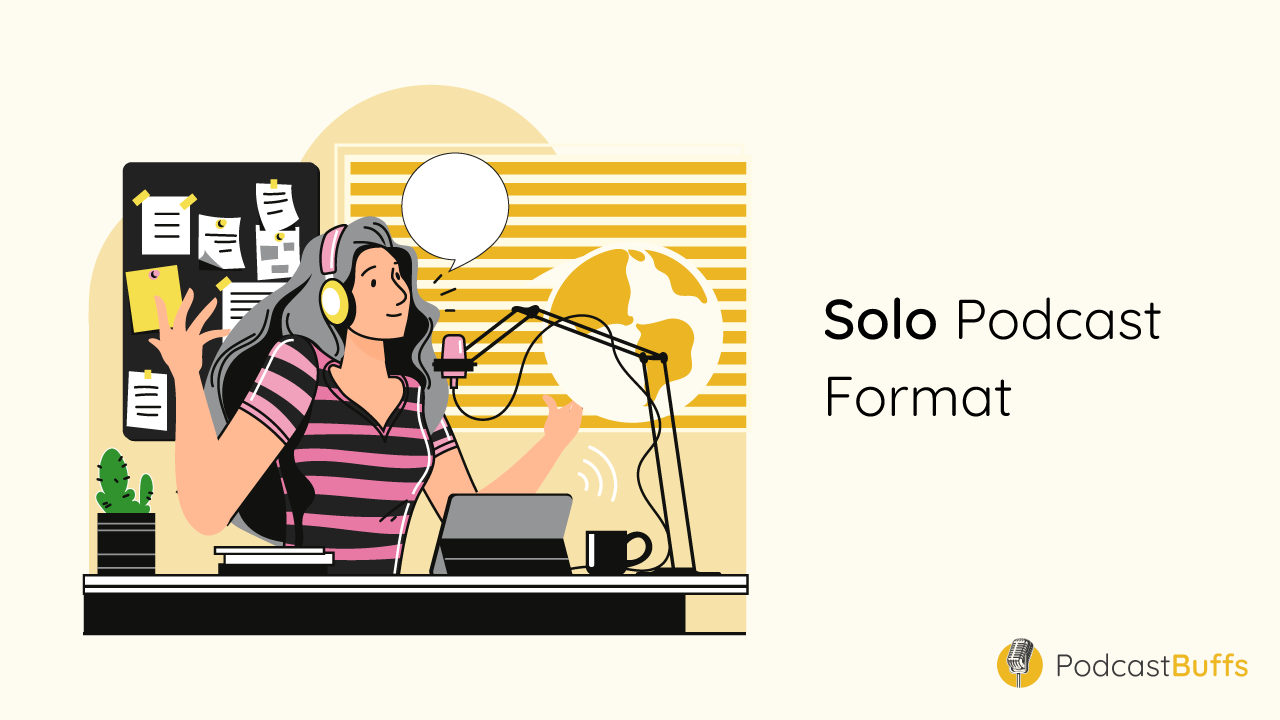
- Solo Podcasts: Hosted by a single individual, solo podcasts offer a unique opportunity for introspection, personal stories, or in-depth analysis of a specific topic. This format is characterized by a direct and intimate connection with the listener, where the host acts as the sole voice. They often focus on a single theme, providing an opportunity for the host to demonstrate their expertise or personal insights.
- Panel Podcasts: These podcasts feature multiple hosts who engage in discussions on a particular topic. The diverse viewpoints of panelists create a lively exchange of ideas, making it a dynamic and informative format. The interaction between panelists fosters debate and exploration of various perspectives. An example could be a podcast featuring a group of political commentators discussing current events.
- Storytelling Podcasts: These podcasts focus on narratives, fictional or non-fictional, delivered in a compelling and engaging manner. The narrative structure, use of descriptive language, and emotional storytelling create an immersive listening experience. This format can range from historical accounts to fictional tales.
- Documentary Podcasts: Similar to documentaries on television, these podcasts explore specific events, historical periods, or social issues. Documentary podcasts often involve interviews, archival materials, and a researched approach to build a narrative. This format prioritizes accuracy and in-depth analysis.
- News Podcasts: These podcasts deliver current events and news updates in a concise and informative way. News podcasts often focus on specific areas of news, such as politics, technology, or business. They strive for immediacy and objectivity, providing listeners with up-to-date information.
- How-to Podcasts: These podcasts provide step-by-step instructions or guidance on various topics. The format is practical and instructional, aimed at equipping listeners with actionable knowledge. How-to podcasts can cover a wide range of subjects, from cooking to personal finance.
- Comedic Podcasts: These podcasts focus on humor and entertainment. Comedic podcasts use various comedic styles, from storytelling to improv, to engage listeners. They often involve interaction between hosts, and the use of satire or irony to entertain and connect with the audience.
Format Comparison
The following table summarizes key characteristics of different podcast formats, comparing them across length, guest involvement, and tone.
| Format | Length | Guest Involvement | Tone |
|---|---|---|---|
| Interview-Style | Typically longer, varying by guest | High | Conversational, informative |
| Solo | Variable, often shorter | Low | Intimate, reflective, personal |
| Panel | Variable, potentially longer | High | Interactive, engaging, diverse |
| Storytelling | Variable, can be short or long | Low (or high, depending on the story) | Immersive, evocative, emotional |
| Documentary | Generally longer | Moderate to High | Informative, researched, factual |
| News | Typically shorter | Moderate (interviews possible) | Objective, concise, timely |
| How-to | Variable, often shorter | Low (or moderate, depending on the format) | Instructional, practical, helpful |
| Comedic | Variable, often shorter | Variable | Humorous, entertaining, lighthearted |
Evaluating Your Podcast Goals
A well-defined podcast format is crucial for achieving your podcasting objectives. Understanding the desired outcomes, whether entertainment, education, community building, or product promotion, is paramount. Aligning the format with these goals ensures your podcast resonates with the target audience and ultimately achieves its purpose. Careful consideration of these aspects will contribute to the success of your podcast.Successful podcasting requires careful alignment between the chosen format and the intended audience’s preferences.
This alignment ensures that the podcast is not only engaging but also effectively communicates its message. This careful consideration leads to higher listener engagement and retention.
Alignment of Podcast Format with Objectives
Choosing the right podcast format directly impacts its ability to achieve specific goals. A narrative format, for instance, excels at storytelling and entertainment, while an interview format can be highly effective for knowledge dissemination and building trust. A discussion format can effectively create a sense of community and shared experience among listeners.
Podcast Format and Target Audience Preferences
A podcast’s format should align with the target audience’s preferences to maximize engagement. A format that caters to their interests and expectations will likely result in a more receptive and loyal listener base.
Examples of Format-Audience Resonance
Different podcast formats resonate with specific demographics. For instance, a news-focused podcast format, with its concise and informative style, is often preferred by professionals and those seeking up-to-the-minute information. Conversely, a storytelling format, with its narrative depth and emotional resonance, tends to appeal to a broader audience, including those seeking relaxation and entertainment.
Identifying Your Ideal Audience
Understanding your ideal audience is essential to crafting a podcast format that resonates with their interests. Analyzing demographics, such as age, location, and profession, provides insights into potential listener preferences. Beyond these basic factors, delving into their listening habits, interests, and values is critical. Consider what types of content they gravitate towards, what topics they are passionate about, and what kinds of podcasts they already listen to.
This comprehensive understanding of your target audience will help you to develop a podcast format that meets their needs and expectations, ultimately leading to higher listener engagement. By conducting thorough audience research and incorporating their preferences, podcasters can develop a more effective and successful podcast format.
Considering Audience Engagement

Engaging listeners is crucial for podcast success, regardless of the chosen format. A strong connection with the audience fosters loyalty, encourages repeat listens, and ultimately drives the podcast’s growth. Understanding how different formats lend themselves to audience interaction is key to maximizing this engagement. This section explores various listener engagement strategies and how they align with different podcast formats.Podcast formats vary significantly in their ability to facilitate direct interaction with the audience.
For instance, a narrative-driven podcast might find it harder to host real-time Q&As than a more conversational or interview-style podcast. Careful consideration of the podcast’s structure and content is vital to fostering effective audience engagement.
Different Engagement Strategies Across Podcast Formats
Different podcast formats inherently support varying levels of listener interaction. A storytelling podcast, for example, might rely on evocative narratives and emotional resonance to engage the listener, while an interview-style podcast can easily incorporate listener questions or feedback.
Methods to Encourage Listener Interaction
Encouraging listener interaction is a key component of building a thriving podcast community. This can take many forms, from simple polls to detailed Q&A sessions. Listeners feel valued when their input is actively sought and appreciated. Active listener interaction creates a sense of community around the podcast.
Podcast Format Influence on Audience Interaction
The format of a podcast significantly impacts how listeners interact. A news-focused podcast, for example, might benefit from incorporating listener feedback on specific stories or events through social media. An educational podcast can use polls to gauge audience understanding and adjust content accordingly. A podcast featuring interviews might use listener-submitted questions as a way to enrich the discussion.
Table of Engagement Tactics
| Podcast Format | Engagement Tactics | Examples |
|---|---|---|
| Narrative | Social media contests, listener-submitted story prompts, “fan fiction” contests. | A fantasy podcast could run a contest for listeners to create a new character. |
| Interview | Live Q&A sessions, listener-submitted questions, polls about guest preferences. | An interview podcast can invite listeners to submit questions for the next guest. |
| Educational | Polls to gauge listener understanding, quizzes, listener feedback forms. | An educational podcast could use a poll to see which topics listeners are most interested in learning about. |
| News | Social media discussions, live chat sessions, polls on current events. | A news podcast can use Twitter polls to ask listeners about their opinions on a recent story. |
| Comedy | Social media challenges, listener-submitted jokes, themed listener segments. | A comedy podcast can encourage listeners to share their own jokes or humorous stories. |
Analyzing Production Resources
Podcast production, like any creative endeavor, requires careful consideration of resources. Understanding the varying needs of different formats is crucial for successful execution and budget management. This section delves into the production requirements for various podcast formats, from solo shows to panel discussions, highlighting essential equipment, time constraints, and budgetary implications.Podcast production transcends simple recording; it encompasses a range of technical aspects, from audio quality to editing and distribution.
Efficient resource allocation is paramount to achieving a high-quality final product without exceeding budget or time constraints.
Production Requirements for Different Formats
Different podcast formats necessitate varying levels of resources. Understanding these differences allows for more effective planning and resource allocation.
- Interview Format: This format often requires more resources, especially if the guests are located remotely. Travel arrangements, scheduling conflicts, and ensuring high-quality audio during interviews necessitate careful planning and coordination. A dedicated recording space, potentially with soundproofing, is recommended. Sufficient time for pre-interview preparation, post-production editing, and potential transcription is also necessary.
- Solo Format: This format is generally less demanding in terms of resources. The core production requirements include a quiet recording environment, a microphone, and editing software. Time constraints for editing and post-production are generally shorter compared to interview formats.
- Panel Format: The panel format necessitates coordination among multiple participants. It requires a space suitable for a group, clear audio channels for each panelist, and meticulous planning for the discussion flow. The complexity of coordinating multiple voices requires a higher degree of pre-production organization and a more extensive post-production process to maintain a smooth flow of conversation and ensure clarity.
Resource Needs Across Podcast Formats
The table below provides a concise overview of resource needs for various podcast formats. Note that these are estimations and can vary based on specific needs.
| Podcast Format | Budget | Equipment | Time Constraints |
|---|---|---|---|
| Interview | Moderate to High | High-quality microphone, recording space (potentially soundproof), potentially remote recording equipment, internet connection | High (pre-production, recording, editing, post-production) |
| Solo | Low to Moderate | Microphone, recording device, editing software | Moderate (recording, editing, post-production) |
| Panel | Moderate to High | Multiple microphones, recording space, mixing console (potentially), remote recording equipment (potentially) | High (pre-production coordination, recording, editing, post-production) |
Technical Aspects of Production
The technical aspects of podcast production vary based on the format. Factors like audio quality, sound mixing, and editing play a critical role in the overall listening experience.
- Audio Quality: High-quality audio is essential across all formats. Investing in good microphones and recording equipment is crucial. Proper recording environment isolation is critical, especially for interviews and panel discussions.
- Sound Mixing: This is particularly important for panel formats. Sound mixing ensures each participant’s voice is clear and balanced.
- Editing: Podcast editing involves removing pauses, correcting errors, and ensuring a smooth flow. Appropriate editing software and skills are necessary to manage different formats effectively.
Assessing and Managing Podcast Production Costs
Effective cost management is crucial for sustainable podcasting. This involves creating a budget, tracking expenses, and identifying cost-effective solutions.
- Budgeting: A detailed budget outlining all anticipated expenses, from equipment to software to hosting fees, is vital. Tracking these expenses meticulously helps maintain a clear financial picture.
- Equipment Costs: Costs vary significantly depending on the quality and complexity of equipment needed. Consider both upfront and ongoing maintenance costs.
- Software Costs: Software options for editing and hosting can range from free to expensive. Assess the features and support levels of different software packages before making a choice.
Exploring Content Strategy
Crafting a compelling podcast requires a well-defined content strategy. This strategy acts as the roadmap for your podcast, ensuring consistent quality, engaging listeners, and ultimately, achieving your podcasting goals. A thoughtful approach to content strategy is paramount for building a loyal audience and establishing your podcast as a valuable resource within your chosen niche.A strong content strategy not only dictates the topics discussed but also shapes the overall tone, style, and structure of your podcast episodes.
This approach allows for the creation of a cohesive and consistent podcast experience for your listeners. By planning your content in advance, you can effectively manage your time and resources, ensuring the production process runs smoothly and efficiently.
Content Strategy Alignment with Podcast Format
A podcast’s format directly influences the structure and nature of its content. For example, a news podcast will necessitate different content strategies compared to a how-to or documentary podcast. Understanding these distinctions is crucial for maximizing the impact of your content.
Importance of a Consistent Content Calendar
A consistent and engaging content calendar is essential for any podcast format. A well-structured schedule ensures that listeners can anticipate new episodes and remain engaged with the podcast. This regularity fosters a sense of anticipation and loyalty amongst listeners.
Content Strategy Differences Across Formats
Content strategies differ considerably across various podcast formats. How-to podcasts, for instance, often employ a structured, step-by-step approach, focusing on providing actionable advice and practical guidance to listeners. News podcasts, on the other hand, prioritize timeliness and accuracy, with a focus on delivering current events and perspectives. Documentary podcasts delve into specific subjects, requiring in-depth research and storytelling techniques.
Examples of Successful Content Strategies
- How-to Podcasts: A successful how-to podcast might feature a weekly episode focusing on a particular skill or technique, offering clear instructions and practical examples. For instance, a podcast about home improvement could detail the steps involved in installing a new faucet, including helpful visuals or demonstrations. This approach ensures the content is easily digestible and actionable for the listener.
- News Podcasts: A well-regarded news podcast would utilize a daily or weekly schedule, ensuring up-to-date information is delivered to listeners. This could involve interviewing experts, summarizing significant events, or providing analysis of current happenings. This requires a fast-paced approach, ensuring listeners are kept informed.
- Documentary Podcasts: A compelling documentary podcast might feature longer-form episodes, delving deep into a specific subject or story. The content strategy for a documentary podcast might involve extensive research, interviews with experts, and meticulous storytelling techniques. This requires a substantial investment of time and resources, ensuring the listener is captivated by the narrative.
Choosing the Right Tools and Technology

Selecting appropriate tools and technologies is crucial for successful podcast production. The right tools streamline the workflow, enhance audio quality, and facilitate the creation of a polished final product. This section details the key software and hardware tailored for different podcast formats, emphasizing how these choices impact production efficiency.Choosing the right tools is vital to achieving the desired sound quality and a seamless production process.
From recording and editing to distribution, selecting appropriate tools and technologies is essential for the quality and efficiency of the podcast.
Essential Software for Different Podcast Formats
Choosing the correct software significantly impacts the podcast production process. Different formats necessitate various software capabilities, from straightforward recording to complex audio editing and mixing.
- For interview-style podcasts, robust audio recording software with multiple input capabilities is essential. High-quality recording equipment, like XLR microphones and audio interfaces, is also crucial for capturing clear audio from multiple sources. Post-production software like Audacity or Adobe Audition is necessary for editing and mixing. Examples of tools include Zoom, or similar applications, which offer recording with multiple input channels.
The use of external audio interfaces allows for precise audio capture and control, crucial for capturing high-quality sound from various sources.
- In the case of solo-hosted podcasts, simpler recording software and a single high-quality microphone suffice. Editing software, like Audacity or GarageBand, are then essential for audio polishing and incorporating background music. Some podcasters prefer using digital audio workstations (DAWs) like Pro Tools or Logic Pro X for complex mixing and mastering. For podcasts with more dynamic audio, advanced DAW features provide the necessary tools for mixing and mastering.
- For podcasts incorporating music or sound effects, advanced audio editing software is essential. Software like Adobe Audition or Pro Tools, often used in professional audio production, allow for the precise placement and mixing of music and sound effects, adding depth and dynamism to the podcast. Tools like Soundtrap and GarageBand also offer options for incorporating audio libraries and sound effects, making it easier to create a rich audio landscape for the podcast.
Hardware Considerations for Various Podcast Formats
Choosing the right hardware significantly impacts the overall quality of the podcast. The appropriate equipment ensures high-quality audio capture and a smooth production workflow.
- Regardless of the podcast format, a high-quality microphone is paramount. Condenser microphones, known for their clarity and sensitivity, are excellent for capturing subtle nuances in speech. Dynamic microphones are suitable for louder environments or when capturing instruments. The choice depends on the specific acoustic conditions and the desired sound. A good quality microphone is the foundation for good audio quality.
- For interviews, a dedicated audio interface with multiple inputs is necessary for capturing clear audio from multiple sources simultaneously. This allows for flexibility in managing multiple audio channels and facilitates seamless mixing. A good quality audio interface provides precise control and flexibility in managing multiple audio channels.
- For podcasts with music or sound effects, high-quality headphones are vital for monitoring the audio mix. Headphones with accurate sound reproduction are essential for identifying issues and making adjustments during the mixing and mastering stages. High-quality headphones provide precise audio monitoring.
Tools and Technologies Categorized by Podcast Format
The following table summarizes the essential tools and technologies for different podcast formats:
| Podcast Format | Recording Software | Editing Software | Hardware |
|---|---|---|---|
| Interview | Zoom, Audacity | Adobe Audition, Pro Tools | XLR microphones, audio interface |
| Solo-hosted | Audacity, GarageBand | Audacity, GarageBand | High-quality microphone |
| Music/Sound Effects | Audacity, Soundtrap | Adobe Audition, Pro Tools | High-quality headphones, sound libraries |
Adapting and Refining the Format
Podcast formats are not static; they evolve based on audience engagement and performance. Successfully adapting a podcast format requires a proactive approach to gathering feedback and using data to inform future content decisions. This iterative process allows podcasts to stay relevant, resonate with listeners, and ultimately achieve their goals.Understanding listener response is crucial for adjusting a podcast format to maximize its effectiveness.
This involves not just collecting feedback but also analyzing its trends and implications for the overall podcast strategy. Successful podcasts consistently monitor key performance indicators (KPIs) to identify areas needing improvement or expansion.
Gathering and Analyzing Listener Feedback
Understanding listener preferences and reactions is vital for refining a podcast format. This involves actively seeking feedback through various channels. Surveys, listener emails, social media interactions, and feedback forms provide valuable insights. Qualitative feedback, such as listener comments on specific episodes or segments, offers a deeper understanding of what resonates with the audience. Quantitative data, such as podcast listening time and episode downloads, offer a more measurable perspective on format effectiveness.
Analysis of this data helps determine listener engagement patterns and allows for adjustments to podcast structure, content, and frequency.
Examples of Successful Format Adjustments
Numerous podcasts have successfully adapted their format in response to audience feedback. For instance, a history podcast might discover that listeners prefer shorter, more focused episodes on specific historical events, rather than long, sweeping narratives. This shift in format would be based on listener feedback about episode length, depth of information, and the perceived value of the content. Another example could be a technology podcast that initially focused on product reviews but realized listeners were more interested in interviews with industry experts.
The podcast might then adjust its format to feature more interviews and less product reviews. These changes are not arbitrary but are driven by tangible data that show a significant shift in listener interest.
Measuring Podcast Performance Metrics
Tracking podcast performance metrics is essential for adapting formats. Key metrics to monitor include listening time per episode, episode downloads, listener engagement (comments, shares, ratings), and subscriber growth. Analysis of these metrics allows for a more data-driven approach to content creation. For example, if downloads for a specific episode segment are significantly lower than others, it could indicate a need to re-evaluate that particular segment’s format or content.
Monitoring these metrics, and how they correlate to audience feedback, provides a more comprehensive view of podcast performance and informs strategic adjustments to podcast format. A podcast that experiences a sudden increase in listener engagement after a format change might indicate the success of the adjustment.
Adapting Formats Based on Results
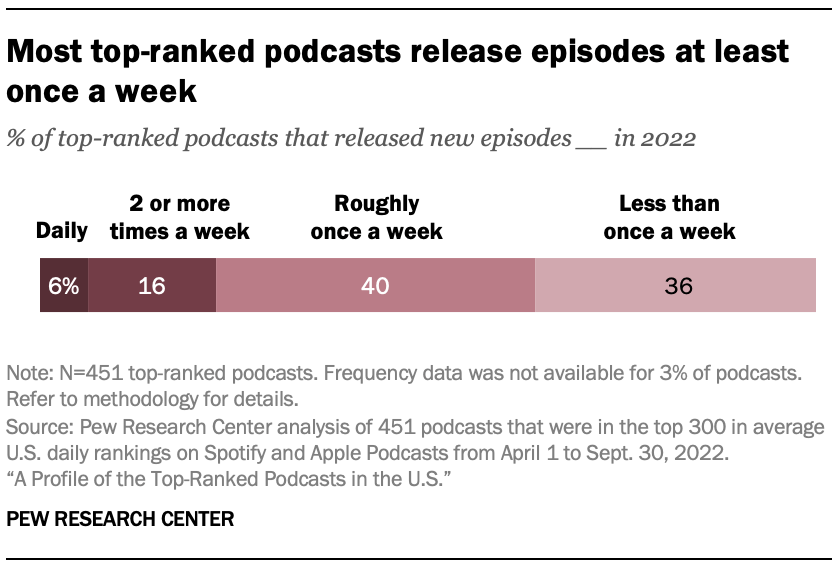
Adapting podcast formats based on performance metrics is a continuous process. Changes should be gradual, measured, and aligned with overall podcast goals. A significant change in format, such as moving from a weekly to a bi-weekly release schedule, should be accompanied by careful analysis of listener response to the adjustment. This might include monitoring listening time and subscriber retention after the change to assess its impact.
This analysis should consider the specific metrics of the podcast, considering that different metrics might be relevant to different podcasts. Understanding how different format elements contribute to overall podcast performance is key to effective adaptation.
Last Point
In conclusion, crafting the perfect podcast format requires careful consideration of numerous factors. This guide has Artikeld a comprehensive approach to selecting the best format for your podcast, encompassing defining format types, evaluating podcast goals, and analyzing production resources, content strategies, and technology selection. Adapting to audience feedback is paramount for long-term success.