Understanding your ideal podcast listener is crucial for success in the podcasting world. This guide provides a comprehensive framework for identifying and defining this key audience, enabling you to tailor your content and promotion strategies for maximum impact.
By exploring demographics, interests, listening habits, values, and motivations, you’ll gain a profound understanding of who your perfect listener is. This detailed approach will empower you to craft a compelling podcast persona and execute targeted promotional campaigns, ultimately fostering a thriving and engaged listener base.
Understanding Listener Demographics
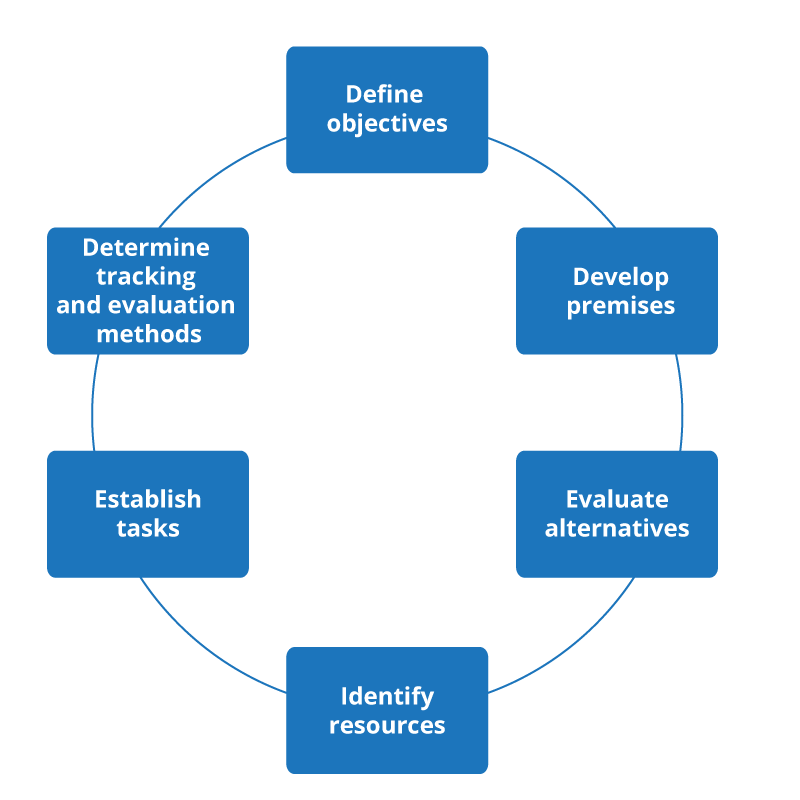
Defining your ideal podcast listener is crucial for attracting the right audience and maximizing engagement. Understanding their demographics, including age, gender, location, and profession, allows for targeted content creation and effective marketing strategies. A well-defined audience profile will also help you tailor your podcast’s overall tone and style to resonate with them.A thorough understanding of listener demographics allows podcasters to tailor their content, marketing, and overall podcasting strategy.
This ensures the podcast reaches the most relevant audience and maximizes its potential impact.
Potential Listener Demographics
Identifying potential listener demographics involves careful consideration of various factors. Understanding these details allows for the development of a comprehensive marketing strategy and enables the podcast to cater to its target audience effectively. This also helps in understanding how different segments might respond to different podcast topics.
- Age Range: Age significantly influences listener preferences. For example, younger listeners (18-34) might be drawn to more trendy topics and engaging formats, while older listeners (35-54) might favor more established topics and in-depth discussions. Listeners above 55 might appreciate a more relaxed style and familiar subject matter.
- Gender: While listener interest is not solely determined by gender, recognizing potential differences in interests is important. Some topics might resonate more strongly with one gender than the other. For instance, podcasts about finance might attract more male listeners, while podcasts focusing on personal development might attract a more balanced demographic.
- Location: Geographical location plays a significant role in understanding listener preferences. For example, a podcast focusing on local news or events would be more relevant to listeners in specific regions, while podcasts focusing on global issues might have a broader appeal.
- Profession: A listener’s profession often influences their interests and the kind of information they seek. A podcast about entrepreneurship would likely attract a different audience than a podcast focused on the intricacies of astrophysics.
Examples of Demographic Responses
Different demographics often respond differently to podcast topics. For example, a podcast focusing on sustainable living might attract environmentally conscious millennials and Gen Z listeners, while a podcast on historical events might appeal to a wider range of listeners, including those interested in history and education.
Potential Demographic Profiles
| Age Range | Location | Profession | Interests |
|---|---|---|---|
| 18-24 | Urban Centers (e.g., New York, London) | Students, recent graduates, entry-level professionals | Technology, social issues, pop culture, gaming |
| 25-34 | Suburban areas, major cities | Professionals, entrepreneurs, marketers | Business, personal development, productivity, finance |
| 35-54 | Various locations, both urban and suburban | Mid-level managers, executives, business owners | Leadership, business strategy, investing, personal finance, health and wellness |
| 55+ | Various locations, possibly more rural areas | Retired professionals, entrepreneurs | History, personal stories, health and wellness, community news, travel |
Analyzing Listener Listening Habits

Understanding listener listening habits is crucial for effective podcast promotion and content creation. By recognizing typical listening patterns, podcasters can tailor their approach to reach their target audience more effectively. This involves considering factors such as preferred listening times, devices, and listening frequency.A deep dive into listener listening habits provides insights into optimizing podcast distribution, content formats, and promotion strategies.
This knowledge allows podcasters to strategize how to reach their target audience more efficiently. Understanding when and how listeners consume their podcasts helps to fine-tune podcast strategies, including promotion and content creation.
Preferred Listening Times
Understanding when listeners are most likely to tune in allows podcasters to strategically time their releases and promotions. This knowledge helps in aligning podcast episodes with listener availability. For example, if a significant portion of listeners prefer to listen during their commute, releasing episodes during those times can maximize audience engagement. Analyzing listener data regarding preferred listening times can lead to increased audience engagement by releasing podcasts at the most opportune moments.
Preferred Listening Devices
Identifying the devices listeners use to consume podcasts is vital for podcasters to optimize their content for different platforms and formats. For example, listeners who primarily listen on smartphones may benefit from concise, easily digestible content, while those listening on smart speakers might prefer longer, more detailed episodes. By understanding the devices listeners use, podcasters can ensure that their podcasts are accessible and enjoyable across various platforms.
Listening Frequency
Determining the frequency at which listeners engage with podcasts helps podcasters understand the level of engagement and the potential reach of their content. Regular listeners tend to be more engaged and are more likely to become loyal subscribers. This understanding allows for targeted promotion strategies, ensuring that podcast episodes reach those who are most likely to engage with the content.
Listener Listening Habits Table
| Preferred Listening Time | Devices | Listening Frequency |
|---|---|---|
| Commute, Morning/Evening, Weekends | Smartphones, Headphones, Car Stereos, Smart Speakers | Daily, Weekly, Monthly |
| During Breaks, Lunchtimes, Work | Smartphones, Headphones, Tablets, Smart Speakers | Daily, Weekly |
| On-demand, whenever free time allows | Smartphones, Headphones, Laptops, Smart Speakers | Varied, depending on content |
Examining Listener Values and Motivations
Understanding listener demographics and listening habits provides a foundational view of your audience. However, delving deeper into the underlying values and motivations that drive listener engagement is crucial for crafting truly effective podcast content and marketing strategies. These values and motivations shape how listeners use podcasts to achieve their goals and directly influence their interaction with the podcast.Podcast listeners are not simply seeking entertainment; they are actively seeking fulfillment of certain needs and desires.
Identifying these motivations allows podcast creators to tailor their content to resonate more deeply with their audience, ultimately leading to increased engagement and loyalty.
Underlying Values and Motivations
Podcast listeners are motivated by a wide array of values, from seeking knowledge and entertainment to connecting with communities and pursuing personal growth. Understanding these values provides insight into how listeners use podcasts to achieve their goals and how podcast creators can tailor their content to resonate more deeply with their target audience.
Ways Listeners Use Podcasts to Achieve Goals
Podcasts offer a diverse range of avenues for listeners to fulfill their needs and desires. Some listeners use podcasts for educational purposes, deepening their understanding of specific topics. Others use podcasts as a source of entertainment and relaxation, seeking distraction from daily routines. A significant portion of listeners utilize podcasts as a way to connect with a community of like-minded individuals.
Further, podcasts are increasingly utilized as tools for professional development and skill enhancement.
Impact of Listener Values on Content and Marketing
Podcast content and marketing strategies should reflect the values and motivations of the target audience. Understanding listener motivations allows creators to tailor content to meet those specific needs. For instance, if a significant portion of listeners are motivated by personal growth, the podcast could feature interviews with experts, offer actionable advice, and foster a sense of community amongst listeners.
Effective marketing strategies would emphasize these value-driven aspects.
Table: Potential Values and Motivations of Podcast Listeners
| Motivation Category | Potential Values | Examples |
|---|---|---|
| Knowledge & Learning | Curiosity, Intellectual Stimulation, Educational Enhancement, Professional Development | Podcasts on history, science, business, or specific skills like coding. |
| Entertainment & Relaxation | Escapism, Stress Reduction, Enjoyment, Diversion | Podcasts featuring storytelling, comedy, true crime, or nature documentaries. |
| Community & Connection | Belonging, Shared Interests, Social Interaction, Support | Podcasts focusing on specific hobbies, niche interests, or personal experiences. |
| Personal Growth & Development | Self-improvement, Empowerment, Inspiration, Skill Enhancement | Podcasts offering advice on topics such as mindfulness, relationships, or personal finance. |
| Professional Development | Career Advancement, Skill Enhancement, Industry Insights | Podcasts featuring interviews with industry leaders, insightful business analysis, or career advice. |
Defining Podcast Content Alignment

Aligning podcast content with the identified listener profile is crucial for success. Understanding the listener’s demographics, listening habits, values, and motivations allows for the creation of targeted and engaging content that resonates with their specific needs and interests. This section details how to tailor podcast topics and formats to achieve maximum listener engagement and retention.Creating content that genuinely appeals to the identified listener profile is not just about appealing to a broad audience; it’s about speaking directly to a specific segment.
This targeted approach ensures a stronger connection with listeners, fostering loyalty and encouraging repeated engagement.
Podcast Content Alignment Strategies
A well-defined strategy for content alignment is essential for achieving high listener engagement. Understanding the interests, needs, and motivations of your ideal listener is fundamental. By aligning podcast content with these factors, you can create a more targeted and impactful listening experience. This will lead to greater listener satisfaction and, ultimately, higher podcast success rates.
Tailoring Topics and Formats
Podcast topics and formats should be directly relevant to the interests and preferences of your target audience. This means researching what your listeners value and finding content that directly addresses those values. If your listener profile indicates a strong interest in practical advice, then your podcast should feature actionable steps, interviews with experts, and real-world case studies. Conversely, if your listeners value entertainment and lighthearted discussions, then the podcast content should reflect this.
Example of Podcast Content Alignment
Consider a podcast targeting entrepreneurs. If the listener profile indicates a strong interest in marketing strategies and growth hacking, the podcast might feature interviews with successful entrepreneurs, actionable tips on marketing, and in-depth discussions about scaling businesses. This targeted approach is much more effective than simply producing a generic podcast about entrepreneurship.
Podcast Content Types and Alignment
| Podcast Content Type | Alignment with Listener Interests | Associated Podcast Examples |
|---|---|---|
| Interviews with Experts | Provides insights, practical advice, and inspiration from industry leaders. | “The Tim Ferriss Show,” “How I Built This” |
| Educational Content | Offers knowledge and skills development, addressing specific needs and interests. | “The Joe Rogan Experience” (often delves into educational topics), “TED Talks Daily” |
| Informative News/Current Events | Keeps listeners updated on relevant industry trends, news, and events. | “Planet Money,” “This American Life” (occasionally covers news) |
| Motivational Content | Inspires and motivates listeners, often through stories and discussions on overcoming challenges. | “The Happiness Lab,” “The Tim Ferriss Show” (often includes motivational elements) |
| Case Studies and Success Stories | Provides real-world examples and inspiration, showcasing practical application of knowledge. | “Startup,” “How I Built This” |
Crafting a Compelling Podcast Persona
Defining your ideal listener is crucial for crafting a successful podcast. A well-defined persona allows you to tailor content, marketing efforts, and overall podcast strategy to resonate with your target audience. Understanding their demographics, listening habits, values, and motivations provides a roadmap for creating engaging and impactful episodes. This process goes beyond simple audience research; it’s about building a detailed picture of who your listener is, what they value, and how your podcast can meet their needs.A compelling listener persona is not just a marketing tool; it’s the bedrock of your podcast’s identity.
It provides a consistent narrative thread that informs every aspect of your production, from episode topics to promotional strategies. A clear understanding of your ideal listener allows for focused content creation, resulting in a more loyal and engaged audience.
Creating a Detailed Listener Profile
A well-defined listener persona goes beyond basic demographics. It delves into the specific characteristics, interests, and motivations that drive the ideal listener. This detailed profile should include not only factual data but also insights into their values, aspirations, and how they interact with the world. This approach fosters a deep understanding of the listener’s needs and desires, enabling content creation that resonates authentically.
Key Characteristics of the Ideal Listener Persona
This section Artikels the key components that should be included in a compelling listener persona. Each element is interconnected and contributes to a holistic understanding of your target audience.
- Demographics: This encompasses age, gender, location, profession, education level, and other relevant data. Understanding the demographic landscape helps you identify where your ideal listener might be found and how to tailor your messaging to resonate with their specific needs and backgrounds.
- Interests and Hobbies: This segment focuses on the activities and subjects your ideal listener enjoys. Understanding their interests is essential for selecting relevant podcast topics, incorporating guest experts, and generating engaging discussion points.
- Values and Motivations: This crucial aspect delves into the core beliefs and motivations of your listener. Identifying their values provides insight into their priorities and how your podcast can address their needs. For example, if your podcast is about sustainable living, your ideal listener might value environmental protection and social responsibility.
- Listening Habits: Understanding how your ideal listener consumes podcasts is essential. This includes their preferred listening platforms, typical listening time, and the type of content they gravitate towards (e.g., interviews, discussions, tutorials).
Example of a Podcast Listener Persona
| Characteristic | Details |
|---|---|
| Name | Sarah Miller |
| Demographics | 30-year-old female, lives in San Francisco, works as a software engineer, holds a Master’s degree in Computer Science. |
| Interests | Technology, coding, sustainable living, social entrepreneurship, cooking healthy meals. |
| Values | Innovation, efficiency, environmental consciousness, community building, personal growth. |
| Listening Habits | Listens to podcasts during her commute and at her lunch break, prefers in-depth interviews and discussions, listens on Spotify and Apple Podcasts. |
Guiding Podcast Content Creation
A well-defined persona serves as a valuable guide for content creation. By understanding your ideal listener’s needs and interests, you can create more targeted and engaging episodes. This targeted approach fosters stronger connections with your audience and helps you maintain a consistent brand voice. For instance, if your persona values learning about sustainable living, your podcast could feature interviews with environmental activists or experts on eco-friendly products.
Tailoring Podcast Promotion Strategies
Understanding your ideal listener profile is crucial for crafting effective podcast promotion strategies. Aligning your promotional efforts with the specific interests, demographics, and listening habits of your target audience significantly enhances reach and engagement. This involves a deep dive into various marketing channels and platforms to maximize impact.
Importance of Alignment
Aligning podcast promotion with the identified listener profile is paramount for success. Simply broadcasting your podcast to a broad audience is less effective than targeting specific groups. By understanding your listener’s preferences, you can tailor your messaging and choose the right channels to reach them. This targeted approach increases the likelihood of attracting listeners who are genuinely interested in your content, leading to higher engagement and conversion rates.
Successful podcasters often demonstrate this by utilizing targeted advertising on platforms frequented by their ideal listener.
Utilizing Marketing Channels Effectively
Reaching your target audience effectively requires a multi-faceted approach. Understanding where your ideal listener spends their time online is essential. If your listener profile indicates a strong presence on social media platforms like Twitter or Instagram, social media marketing strategies should be a key component of your promotion. Similarly, if your listeners are active on particular forums or communities related to your podcast’s niche, promoting your podcast within these communities is a viable strategy.
A diverse approach, encompassing various online and offline channels, is often the most effective way to build a loyal listener base.
Identifying Platforms and Strategies
A wide array of platforms and strategies can be employed to promote a podcast. Social media platforms, podcast directories, email marketing, and collaborations with influencers or other podcasters are all viable options. Utilizing a mix of these strategies, rather than relying on a single approach, maximizes reach and engagement. The selection of specific platforms and strategies should always be based on the characteristics of the identified listener profile.
For example, if your listener profile favors video content, embedding podcast trailers on YouTube or other video platforms can be beneficial.
Podcast Promotion Strategies Table
| Promotion Strategy | Effectiveness | Example Application |
|---|---|---|
| Social Media Marketing (Instagram, Twitter, Facebook) | High – Engaging with target audience directly. | Creating visually appealing posts showcasing podcast highlights, running contests, and engaging in conversations relevant to the podcast’s niche. |
| Podcast Directories (Apple Podcasts, Spotify) | High – Podcast directories are where listeners discover podcasts. | Optimizing podcast metadata, including title, description, and s, to improve discoverability. |
| Email Marketing | Medium – Nurturing existing and potential listeners. | Building an email list through website sign-ups or social media contests and sending newsletters with podcast updates, exclusive content, or special offers. |
| Collaborations with Influencers/Other Podcasters | High – Expanding reach to new audiences. | Partnering with relevant influencers or podcasters to cross-promote each other’s shows to their existing listener base. |
| Paid Advertising (Google Ads, Social Media Ads) | High – Targeted reach to specific demographics and interests. | Utilizing targeted s and demographics in paid advertising campaigns to reach potential listeners. |
| Podcast Sponsorships | Medium – Building brand awareness. | Partnering with businesses relevant to the podcast’s theme or audience to provide sponsored content or advertising within the podcast. |
Final Review
In conclusion, defining your ideal podcast listener is a multifaceted process that involves a deep dive into demographics, interests, listening habits, and motivations. By meticulously analyzing these aspects, you’ll create a compelling podcast persona and effectively tailor your content and promotion strategies. This refined approach will ultimately lead to a more engaged and loyal listener base.