Crafting a compelling Unique Selling Proposition (USP) is crucial for any show seeking to stand out in a competitive market. This guide delves into the key steps involved, from defining your show’s unique value to communicating its USP effectively to potential viewers, sponsors, and investors. Understanding your target audience and analyzing the competitive landscape are essential components in creating a truly distinctive proposition.
This comprehensive Artikel covers seven key stages, each designed to help you develop a USP that resonates with your target audience and sets your show apart. From identifying your show’s unique value proposition to showcasing compelling visuals, we’ll explore practical strategies and actionable steps.
Defining Your Show’s Unique Value Proposition (UVP)
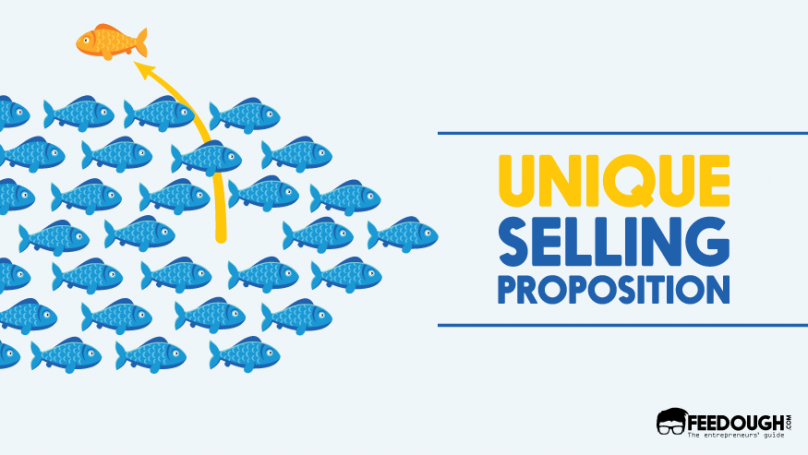
A unique selling proposition (USP) for a television show isn’t just a catchy slogan; it’s the core reason viewers should chooseyour* show over the countless others vying for their attention. It highlights a distinct value that resonates with a specific audience segment, differentiating your program from the competition. Identifying this unique value proposition is crucial for attracting viewers and establishing a show’s identity in the crowded media landscape.Understanding the unique value proposition (UVP) of a show requires a deep dive into what sets it apart from existing content.
A compelling UVP articulates the specific benefit a show offers its target audience, making it memorable and desirable. This value proposition should be woven into every aspect of the show’s production, from the script to the visual presentation, ensuring consistent messaging and a cohesive viewer experience.
Different Show Formats and Their USPs
Different show formats offer distinct opportunities for creating a unique selling proposition. Understanding the characteristics of various formats is essential for identifying potential USPs.
- Cooking Shows: A cooking show’s USP might lie in its unique culinary approach. This could be innovative techniques, a focus on specific cuisines (e.g., regional or ethnic), or a particular style of presentation. For instance, a show emphasizing sustainable ingredients and healthy cooking would have a different USP than one showcasing elaborate gourmet creations.
- Game Shows: Game shows can excel through their engaging gameplay mechanics, clever challenges, or charismatic hosts. A show that introduces a new twist on traditional game show formats, or that utilizes innovative technology to enhance the interactive experience, could stand out. The unique format and rules of a game show, coupled with engaging host personalities, can generate a USP.
- Talk Shows: Talk shows can distinguish themselves through their unique guest lineup, the depth of their interviews, or their distinct comedic style. A talk show focusing on controversial topics, or featuring a panel of experts in a particular field, would have a different USP than one focusing on lighthearted celebrity interviews.
- Reality Shows: Reality shows can find their USP in the compelling narratives of the participants, the innovative challenges they face, or the dramatic twists and turns of the storyline. A show that documents a unique social experiment or focuses on a niche group of individuals could create a distinct UVP.
- Documentary Shows: Documentary shows can be set apart through their unique perspectives, investigative journalism, or their focus on underrepresented stories. A documentary that tackles a critical social issue from a novel angle, or one that features previously unseen footage, could attract viewers and establish a unique UVP.
Comparing Show Formats
| Format | Target Audience | Typical Content | Potential USP |
|---|---|---|---|
| Cooking Show | Foodies, home cooks, aspiring chefs | Recipe demonstrations, cooking techniques, food preparation | Focus on sustainable ingredients, innovative cooking methods, specific cuisines |
| Game Show | Families, entertainment seekers, trivia enthusiasts | Interactive challenges, puzzles, questions, prizes | Unique gameplay mechanics, celebrity guest participation, high-stakes challenges |
| Talk Show | General audience, celebrity followers, news enthusiasts | Interviews, discussions, celebrity appearances, news analysis | Focus on controversial topics, panel of experts, engaging host personality |
| Reality Show | Drama enthusiasts, entertainment seekers, social observers | Dramatic situations, challenges, personal struggles, interpersonal conflicts | Unique social experiment, compelling narratives, high-stakes competition |
| Documentary Show | Educators, researchers, documentary fans, social activists | Investigative reporting, historical analysis, in-depth studies | Unique perspective, underrepresented stories, innovative visual presentation |
Identifying Your Target Audience
Understanding your target audience is crucial for crafting a show that resonates with viewers. This involves more than just knowing their demographics; it necessitates a deep dive into their needs, interests, and how your show can uniquely fulfill them. A well-defined target audience allows for more effective marketing, content creation, and ultimately, a more successful show.
Defining Ideal Viewers
Pinpointing the ideal viewer for your show involves a multi-faceted approach. It starts with identifying the core characteristics that define your target audience – their age, location, profession, hobbies, and more. Consider their existing media consumption habits and what types of shows they currently enjoy. This research helps tailor the show’s format, tone, and content to appeal to the specific preferences and needs of your ideal viewer.
Ultimately, the ideal viewer represents the core demographic most likely to engage with and appreciate your show.
Identifying Distinct Audience Segments
To further refine your understanding, divide your target audience into distinct segments based on shared characteristics. This allows for a more granular understanding of individual needs and interests.
- Segment 1: The Enthusiast This segment is comprised of individuals deeply invested in the show’s specific subject matter. They actively seek out information and discussions related to the show’s theme. They are likely to be highly engaged viewers, actively participating in online communities and discussions. Their unique needs include access to in-depth content, detailed explanations, and opportunities for interaction with other enthusiasts.
- Segment 2: The Casual Viewer This segment includes individuals who are open to exploring new shows and formats, but are not as deeply committed to the specific subject matter. Their needs center around easily digestible content, clear explanations, and a broad appeal that can pique their interest. They are more likely to be influenced by recommendations and reviews.
- Segment 3: The Practical Professional This segment comprises individuals who use the show as a resource for professional development or practical application in their daily lives. They prioritize the practicality and relevance of the show’s content. Their needs include actionable insights, real-world examples, and clear takeaways that can be implemented directly into their work or daily routines. They are likely to be less focused on entertainment and more focused on learning and application.
Audience Research Template
This template structure helps organize the findings from your audience research.
| Demographic Information | Interests | Potential Show Preferences |
|---|---|---|
| Age Range | Specific hobbies or interests related to the show’s topic | Preferred content format (e.g., interviews, documentaries, discussions) |
| Location | Specific areas of interest within the show’s subject matter | Preferred pace and level of detail in the show |
| Occupation | Relevant professional interests | Desired outcomes from watching the show (e.g., gaining knowledge, inspiration, practical skills) |
| Education Level | Preferred learning styles | Desired level of engagement with the show (e.g., active participation, passive viewing) |
| Other Relevant Factors | Additional interests and motivations | Preferred communication style and tone of the show |
Exploring Competitive Analysis
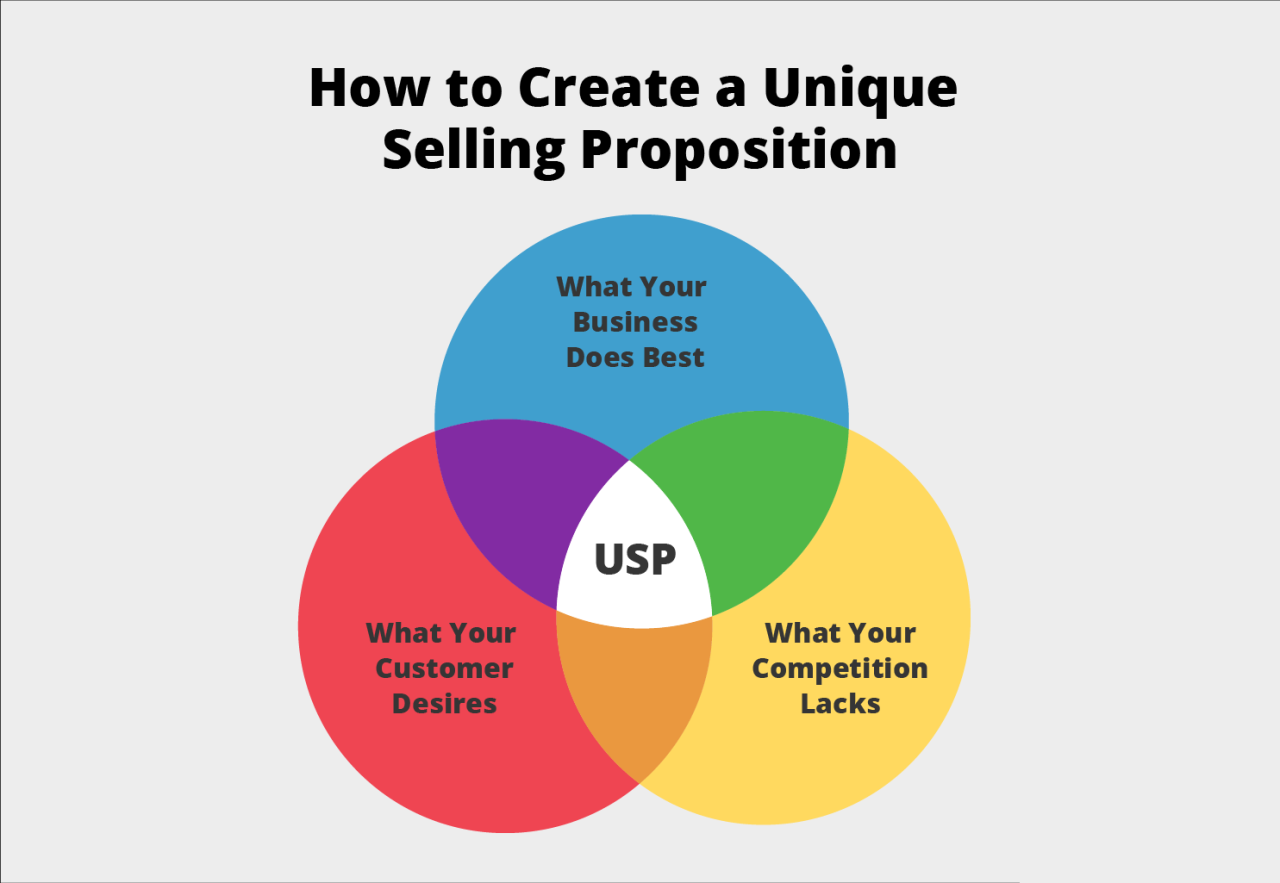
Thorough competitive analysis is crucial for developing a unique selling proposition (USP) that differentiates your show. Understanding the strengths and weaknesses of competing programs within your genre allows you to identify market gaps and tailor your show to fill them effectively. This strategic insight is vital for crafting a compelling value proposition that resonates with your target audience.Analyzing competitors is not simply about identifying weaknesses.
It’s a comprehensive process of understanding the overall landscape, including how audiences perceive existing offerings and what aspects of those shows attract or repel them. By pinpointing these areas, you can strategically position your show to stand out.
Analyzing Competitor Strengths and Weaknesses
A comprehensive analysis of competing shows requires a meticulous evaluation of their strengths and weaknesses. This includes identifying elements like storytelling techniques, production quality, casting choices, and the overall tone and style of the program. Understanding these aspects provides a foundation for highlighting your show’s unique value proposition.
Identifying Market Gaps
Careful scrutiny of the competitive landscape reveals potential gaps in the market that your show can fill. These gaps might include unexplored thematic areas, unmet audience needs, or unique approaches to storytelling. Recognizing these opportunities allows you to position your show as a distinct and valuable offering. For example, if existing shows primarily focus on historical dramas, a show centered on contemporary fantasy could fill a significant market gap.
Creating a Competitive Landscape Table
The following table presents a framework for analyzing the competitive landscape. By comparing your show to competitors, you can more clearly define your show’s unique value proposition.
| Competitor | Strengths | Weaknesses | Potential USP Differentiators |
|---|---|---|---|
| Show A | High production value, established fanbase, strong narrative structure | Repetitive plotlines, limited character development, reliance on familiar tropes | Unique characters, fresh storylines, innovative storytelling techniques |
| Show B | Relatable characters, diverse representation, emotionally resonant themes | Slow pacing, inconsistent quality across episodes, limited scope | Fast-paced plotlines, serialized narratives, broader global perspective |
| Show C | Unique visual style, engaging soundtrack, well-developed world-building | Limited character depth, episodic structure, inconsistent pacing | Complex character arcs, deeper narrative explorations, multi-layered plotlines |
Crafting Your Show’s Value Proposition
Defining a compelling Unique Selling Proposition (USP) is crucial for a show’s success. It encapsulates the unique benefit your show offers to viewers, setting it apart from competitors. This section details the steps involved in crafting a powerful USP, emphasizing the distinct value your show provides. A well-defined USP is a roadmap for marketing and promotion, highlighting what sets your show apart.A well-defined value proposition goes beyond simply listing features; it articulates the benefits and impact on the target audience.
This involves understanding the core value your show brings to the viewer’s life, whether it’s entertainment, knowledge, inspiration, or skill enhancement. By focusing on these core benefits, you can effectively communicate your show’s unique position in the market.
Defining Your Show’s Core Value Proposition
Identifying the core value proposition involves understanding what makes your show different and desirable. This process requires careful consideration of your show’s format, content, and target audience. Consider the following questions: What problem does your show solve for viewers? What unique experience does it provide? What are its core differentiators?
How does it add value to viewers’ lives?
Key Elements of a Compelling USP
A strong USP needs to be concise, memorable, and clearly communicate the unique value proposition. Consider these essential components:
- Unique Benefit: What specific advantage does your show offer that competitors don’t? Is it a new approach, a faster method, a unique perspective, or a combination of factors?
- Target Audience Focus: How does the USP resonate with the specific needs and desires of your target audience? Ensure the value proposition directly addresses their pain points and desires.
- Conciseness and Clarity: Keep the USP short, punchy, and easy to understand. Avoid jargon or technical terms that might confuse viewers.
- Measurable Impact: Ideally, your USP should be quantifiable. For instance, a cooking show focused on healthy recipes might highlight the reduction in sodium or fat compared to other recipes.
Examples of Successful USPs
Different types of shows can utilize various approaches to crafting a compelling USP. Here are a few examples:
| Show Type | Example USP |
|---|---|
| Cooking Show (Healthy Recipes) | “Discover delicious and healthy recipes, tailored to busy lifestyles, featuring easy-to-follow instructions and nutritional information.” |
| Game Show (Quick-Thinking Challenges) | “Test your wits and quick-thinking skills in fast-paced challenges, pitting contestants against the clock and each other.” |
| Educational Show (History) | “Uncover the captivating stories of history, through interactive storytelling and engaging historical analysis, enriching your understanding of the past.” |
These examples highlight how a clear and concise value proposition can clearly communicate the show’s unique selling point.
Crafting the Statement
After identifying the core elements, craft a concise and memorable statement that encapsulates the show’s unique value proposition. This statement should be short, memorable, and easily communicable. A strong USP acts as a powerful marketing tool, highlighting the show’s distinct benefits and creating a compelling narrative for potential viewers.
Communicating Your USP Effectively
Effectively communicating your show’s Unique Selling Proposition (USP) is crucial for attracting sponsors, investors, and viewers. A compelling and concise presentation of your show’s unique value proposition is essential to securing partnerships and capturing the attention of your target audience. This involves tailoring your message to resonate with each audience segment.Clear and concise communication of your USP is paramount.
Avoid jargon or overly technical language. Focus on highlighting the tangible benefits your show offers to each specific audience group. This will not only resonate more deeply with them but also demonstrate a clear understanding of their needs.
Strategies for Presenting Your USP
Understanding your target audience’s motivations and preferences is vital for crafting a persuasive message. Tailor your presentation to resonate with potential sponsors, investors, and viewers by focusing on the specific benefits they seek.
- For Sponsors: Highlight the unique reach and engagement your show offers, demonstrating how it can effectively connect with their target audience. Quantify the impact of past shows or similar programs, if applicable. Emphasize the return on investment (ROI) potential through metrics like viewership numbers, social media engagement, or website traffic.
- For Investors: Showcase the market potential of your show, outlining your projected growth trajectory and profitability. Provide compelling data and evidence to demonstrate the viability of your business model and its potential for long-term success. Quantify projected returns and explain the investment strategy.
- For Viewers: Focus on the entertainment value, educational aspects, or social impact of your show. Emphasize the unique experience your show provides compared to competitors. Use testimonials from previous viewers or experts in the field to build credibility and trust.
Crafting Concise Marketing Materials
Clear and concise marketing materials are essential for effectively conveying your show’s USP.
- Promotional Brochures: Use compelling visuals and concise language to highlight your show’s key features and benefits. Include testimonials and data points to reinforce your claims. Structure your brochure logically, highlighting your show’s unique selling proposition clearly in the opening sections.
- Website Landing Pages: Design a dedicated landing page showcasing your show’s USP in a prominent position. Use strong calls to action and compelling visuals. Provide concise descriptions and compelling reasons why viewers should watch your show.
- Social Media Posts: Craft engaging social media posts that succinctly convey your show’s USP. Use eye-catching visuals and short, impactful messages to capture attention. Highlight key benefits and unique features.
Sample Promotional Blurb
Experience the future of [Genre] entertainment with [Show Name], the only show to combine [unique element 1] with [unique element 2]. Our innovative approach to [topic] provides viewers with a fresh perspective, unparalleled insights, and a truly immersive experience. Join us as we explore [key theme] and challenge conventional thinking. Don’t miss out on this groundbreaking show! Learn more at [website address].
Testing and Refining Your USP

Refining your Unique Selling Proposition (USP) is not a one-time task. It’s an iterative process that requires ongoing evaluation and adaptation based on feedback and market response. A well-defined USP, while initially crucial, needs to be tested and adjusted to ensure it resonates with your target audience and remains competitive. This ongoing refinement is key to maintaining relevance and maximizing the effectiveness of your show.
Strategies for Testing USP Effectiveness
Thorough testing allows you to gauge the strength of your USP and identify areas for improvement. This involves various methods, from simple surveys to more complex A/B testing. These tests should focus on understanding how potential viewers perceive the unique value proposition of your show.
- A/B Testing: Present different versions of your USP to different segments of your target audience. This could involve variations in wording, emphasis, or even the visual presentation. Analyze which version generates the most engagement, interest, or desired actions (e.g., sign-ups, downloads, etc.). For example, compare “Learn to code from experienced professionals” with “Master coding skills with personalized guidance from industry experts” to see which phrasing resonates better with prospective viewers.
- Surveys and Feedback Forms: Collect direct feedback from potential viewers through online surveys or dedicated feedback forms. These forms should include specific questions about your USP, asking for their understanding, reaction, and whether it motivates them to learn more about your show. This allows for detailed qualitative analysis of their perception.
- Focus Groups: Engage in small focus groups with potential viewers to gather deeper insights. This method allows for open-ended discussions and probing questions to understand the subtleties of how viewers perceive your USP. These insights often provide invaluable context for refining the messaging.
- Social Media Engagement: Track the response to your USP on social media platforms. Look for patterns in comments, likes, shares, and overall engagement. Monitor the discussion to understand how viewers interact with your message and what aspects resonate most. This could be tracked through social listening tools and community management efforts.
Gathering Feedback from Potential Viewers
Collecting feedback is crucial for understanding how potential viewers perceive your show’s USP. This process should involve a structured approach to ensure the quality and relevance of the data.
- Define Specific Questions: Create a set of focused questions related to your USP. Questions should be clear, concise, and directly related to the show’s value proposition. Examples include: “What is the first thing you notice about our show’s USP?”, “How does this USP make you feel?”, “Does this USP address your specific needs?”.
- Use Multiple Channels: Employ various methods to collect feedback, such as online surveys, social media polls, or even email questionnaires. The variety of channels can yield richer data by targeting diverse groups and preferences.
- Analyze Feedback Objectively: Evaluate the feedback gathered without bias. Identify common themes and trends. Look for both positive and negative responses, and consider the underlying reasons for each. Tools for quantitative analysis and qualitative coding of responses can aid in this process.
Adjusting Your USP Based on Feedback
Adapting your USP based on feedback is a vital step in refining your show’s value proposition. This involves carefully considering the insights gathered and making appropriate adjustments.
- Identify Key Themes: Summarize the recurring themes and patterns in the feedback. This should highlight areas where your USP resonates well and areas that need improvement.
- Revise and Refine: Based on the identified themes, modify your USP wording, messaging, or visual presentation. If needed, consider re-evaluating your target audience and value proposition to align with the feedback.
- Iterate and Retest: After making adjustments, retest your revised USP using the same or similar methods. Monitor the changes in audience response and repeat the process until your USP effectively communicates the unique value of your show.
Showcasing Visuals for Your USP
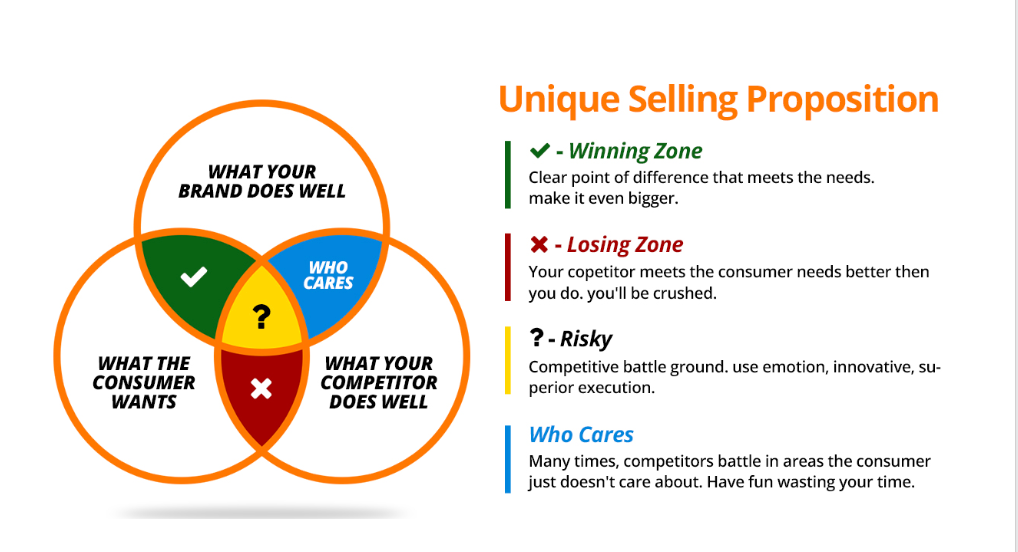
Visuals play a crucial role in communicating your show’s unique selling proposition (USP) effectively. A compelling image can instantly capture attention, evoke emotions, and reinforce the message behind your show’s value. This section will explore how to leverage visual elements to amplify the appeal and memorability of your USP.
Effective Visual Strategies
Visuals are more than just pretty pictures; they are powerful tools for conveying complex ideas and highlighting unique aspects of your show. A well-chosen image can quickly communicate a show’s tone, genre, or target audience. Thoughtfully selected visuals can significantly enhance the impact of your USP, making it more memorable and engaging for potential viewers.
Visual Examples for Different Show Types
Visuals should align with the specific tone and style of your show. Choosing appropriate visuals is critical to creating a consistent brand identity and communicating the show’s core message. Below are examples illustrating how different visual approaches can be used to convey a show’s unique selling proposition.
- Comedy Show: A humorous still image of a character in a comical situation. The image should be vibrant and engaging, with clear elements of humor, like exaggerated expressions or a playful setting. This can effectively communicate the show’s lighthearted nature and comedic tone, immediately appealing to potential viewers who enjoy humor.
- Documentary Show: A high-quality, close-up image of a person or object relevant to the documentary’s theme. The image should be impactful, focusing on a single, clear subject matter. This will evoke a sense of authenticity and depth, appealing to viewers who are interested in factual content.
- Educational Show: An image of a simplified, informative graphic or chart illustrating a key concept or topic. A well-designed graphic can effectively communicate complex ideas in a concise and easy-to-understand manner, attracting viewers interested in learning.
- Drama Show: A dramatic, evocative image of a character in a tense or emotional situation. The image should convey the emotional depth of the show, highlighting the characters’ internal struggles and relationships, appealing to viewers who appreciate emotional storytelling.
- Animated Show: A vibrant still image showcasing the show’s unique animation style, characters, and world. The visual should highlight the show’s distinctive aesthetic. This helps viewers understand the show’s visual flair, appealing to those who appreciate creativity and imaginative storytelling.
Impact of Visuals on Viewers
Visuals can significantly influence viewer perception. By carefully selecting images that reflect the show’s USP, you can create a stronger emotional connection with potential viewers. This, in turn, can increase the likelihood of them engaging with the show.
- Emotional Connection: A well-chosen image can evoke specific emotions in viewers, making them more likely to connect with the show’s theme and characters. This connection is key to attracting viewers and building a loyal following.
- Memorability: A memorable image can serve as a powerful visual cue, helping viewers recall the show’s USP more easily. This is particularly crucial in a crowded media landscape.
- Brand Identity: Consistent visual elements across all promotional materials contribute to building a strong brand identity for the show. This reinforces the show’s message and enhances its recognition among potential viewers.
Final Conclusion
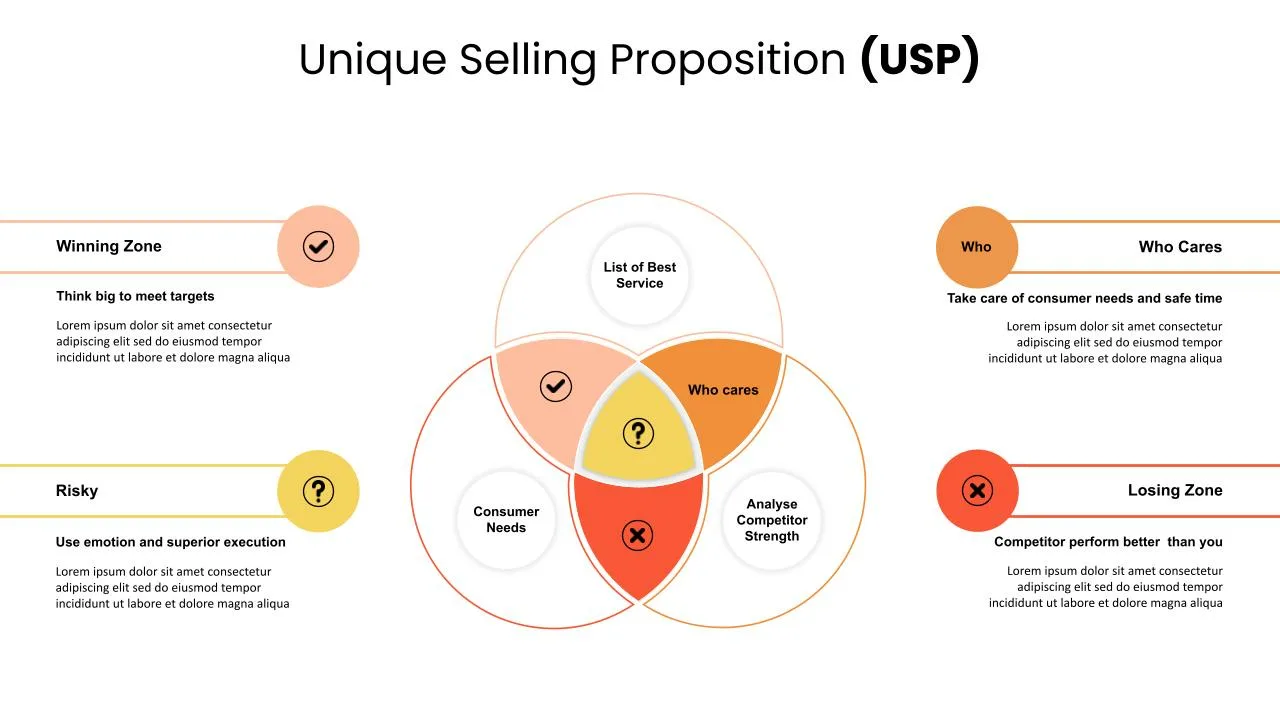
In conclusion, developing a successful USP requires a multifaceted approach. By understanding your target audience, analyzing competitors, and crafting a clear and compelling value proposition, you can effectively position your show for success. This guide provides a structured framework for achieving this, enabling you to communicate your USP effectively and build a strong foundation for your show’s future.
Remember, testing and refining your USP based on feedback is vital for ongoing improvement.