Finding the perfect co-host for your podcast is crucial for success. A strong partnership can elevate your content, broaden your reach, and significantly enhance the listener experience. This guide delves into the essential steps, from defining your needs and identifying ideal qualities to sourcing, evaluating, and nurturing a thriving co-hosting relationship. We’ll explore strategies for creating a dynamic duo that complements your podcast’s unique style and resonates with your target audience.
From understanding different podcast types and co-hosting roles to establishing a mutually beneficial agreement, this comprehensive guide provides practical advice and actionable strategies. We’ll cover crucial aspects of communication, compatibility, and evaluation, ensuring you’re equipped with the tools to make informed decisions throughout the process.
Defining Podcast Co-hosting Needs

Identifying the ideal co-host is crucial for a podcast’s success. A well-chosen co-host can significantly enhance the podcast’s content, engagement, and overall appeal. Careful consideration of the podcast’s format and the desired dynamic is key to achieving this.The specific requirements for a co-host will vary depending on the type of podcast. Different podcast formats necessitate distinct skill sets and personality types.
Understanding these needs is essential for identifying the perfect co-host.
Types of Podcasts and Co-hosting Requirements
Various podcast formats exist, each with its own co-hosting demands. News podcasts, for instance, may benefit from a co-host with strong research and analytical skills. Educational podcasts may require a co-host with a deep understanding of the subject matter and the ability to explain complex concepts in a clear and concise manner.
Roles and Responsibilities of a Co-host
Co-hosts play diverse roles in the podcasting ecosystem. They can be active participants in the discussion, contributing insights and perspectives. Alternatively, they might be responsible for conducting interviews or managing the show’s technical aspects. Furthermore, co-hosts might be tasked with research, providing background information, or even introducing segments.
Levels of Co-host Experience
A co-host’s experience level influences their contribution to the podcast. A beginner co-host may be more focused on learning and contributing to the overall dynamic of the show. Experienced co-hosts bring a wealth of knowledge and skills, contributing significantly to the production value and audience engagement. They may be able to take on more leadership roles and handle more technical aspects of the podcasting process.
Ideal Co-host Comparison: Interview-Style vs. Comedic Podcast
| Characteristic | Interview-Style Podcast | Comedic Podcast |
|---|---|---|
| Knowledge/Expertise | High importance; co-host needs in-depth knowledge of the topic. A co-host with proven experience or credentials in the area being discussed. | Less critical, but relevant experience in the field or humourous approach can be an asset. |
| Communication Style | Clear, concise, and professional communication is essential. The co-host needs to ask insightful questions and listen attentively. | Engaging, enthusiastic, and quick-witted. The co-host needs to be able to deliver jokes and engage the audience. |
| Personality | Calm, collected, and inquisitive. A co-host who can engage in thoughtful discussion. | Energetic, outgoing, and playful. The co-host should be comfortable with improvisation and lighthearted banter. |
| Experience Level | Experienced co-hosts can add credibility and depth. However, a well-prepared and thoughtful novice can also be effective. | Experienced co-hosts can add depth to the jokes and improv skills, but a confident beginner can be a great asset in comedic podcasts. |
| Technical Skills | May not be critical for every show. | Technical skills are not critical for comedic podcasts, but knowledge of audio editing is beneficial. |
Identifying Ideal Co-host Qualities
Finding the right co-host is crucial for a successful podcast. A compatible co-host significantly enhances the podcast experience for both the hosts and listeners. Beyond shared interests, a successful co-hosting dynamic hinges on a strong understanding of each other’s values, communication styles, and strengths. This shared understanding fosters a comfortable and engaging environment for both hosts, ultimately leading to a higher quality podcast.A harmonious co-hosting relationship is built on shared values and a consistent podcasting philosophy.
This foundation ensures a unified approach to content creation, from topic selection to editing style. A clear understanding of these fundamental aspects paves the way for a smooth and productive collaboration.
Shared Values and Podcasting Philosophy
Shared values and podcasting philosophies are essential for a successful co-hosting partnership. Similar perspectives on the podcast’s purpose, target audience, and overall tone contribute to a cohesive and consistent message. Disagreements on these foundational elements can lead to conflicts and inconsistencies in the podcast’s overall message, potentially alienating listeners. Co-hosts should ensure their values and approaches align to maintain a consistent brand identity.
Compatible Communication Styles
Effective communication is vital for any collaborative effort, and podcasting is no exception. Different communication styles can either strengthen or hinder a co-hosting relationship. Understanding and appreciating each other’s communication preferences is crucial. Recognizing and adapting to these differences allows for a more dynamic and engaging podcast experience.
- Collaborative Communication: This style emphasizes shared decision-making and open dialogue. Hosts actively listen to each other’s ideas, offer constructive feedback, and work together to develop compelling content. This approach often leads to a more nuanced and well-rounded discussion.
- Directive Communication: This style involves one host taking a more prominent role in directing the conversation. This approach can be effective in guiding the discussion but might feel less collaborative to the other host. Success depends on the other host feeling heard and valued, even when not leading the discussion.
- Reactive Communication: This style focuses on responding to the other host’s points and ideas. While it can lead to interesting back-and-forth exchanges, it might not offer the same level of structured conversation as other styles.
Successfully blending these styles can create a rich and engaging podcast experience. For example, a collaborative host paired with a reactive one can spark dynamic discussions, while a directive host could provide structure for a reactive co-host. However, two directive hosts might struggle to find a balance, resulting in a podcast that feels one-sided.
Complementary Strengths and Weaknesses
Identifying and leveraging complementary strengths and weaknesses is crucial. One host’s strengths can compensate for the other’s weaknesses, leading to a more balanced and well-rounded podcast. A strong interviewer might benefit from a co-host with exceptional research skills. This dynamic allows the podcast to excel in various areas.
- Identifying Strengths: Analyzing each host’s strengths, such as research, interviewing, or editing skills, is key. Assessing these skills allows for a more effective distribution of responsibilities and a more efficient workflow.
- Addressing Weaknesses: Recognizing areas where each host might need support is equally important. Identifying these weaknesses allows for strategic planning and support systems, preventing any aspect of the podcast from suffering. This also allows for the development of individual strengths, leading to overall growth.
Assessing Co-host Strengths and Weaknesses
A structured assessment process is necessary to identify and evaluate co-host strengths and weaknesses. This process can involve a formal interview, sample recordings, or even a collaborative project. Understanding the individual strengths and weaknesses allows for a more informed decision.
| Personality Trait | Description | Podcast Suitability |
|---|---|---|
| Enthusiastic | Displays high energy and excitement. | Often creates a vibrant and engaging atmosphere. |
| Organized | Maintains structure and keeps things on track. | Essential for planning and executing episodes effectively. |
| Analytical | Thinks critically and thoroughly researches topics. | Creates insightful and well-researched discussions. |
| Empathetic | Shows understanding and concern for others. | Builds rapport with guests and listeners. |
| Articulate | Expresses ideas clearly and concisely. | Crucial for delivering a well-structured and engaging narrative. |
Sourcing Potential Co-hosts

Finding the right co-host is crucial for a successful podcast. A compatible co-host can significantly enhance the podcast’s content, reach, and overall enjoyment for listeners. Understanding how to effectively source potential co-hosts is a key element in this process.Leveraging existing networks is a powerful strategy for identifying potential co-hosts. Building upon relationships and connections can often lead to discovering individuals with complementary skills, perspectives, and experience that align with your podcast’s goals.
Leveraging Existing Networks
Identifying potential co-hosts within your existing network can be a valuable approach. Reach out to individuals you’ve collaborated with in previous projects, shared interests, or professional settings. They may be interested in collaborating on a podcast or know someone who would be a good fit.
Online Communities and Forums
Online communities and forums can be rich hunting grounds for potential co-hosts. These platforms provide opportunities to connect with individuals with shared interests in podcasting or related fields.
- Podcast-specific forums and groups on platforms like Reddit (r/podcasting), Facebook groups, and Discord servers offer a dedicated space for discussion and connection.
- General online communities related to your podcast’s niche (e.g., a book club forum for a literary podcast) may also yield promising co-host candidates.
- Professional networking sites such as LinkedIn can be effective for finding individuals with relevant expertise and experience.
Podcast Discovery Platforms
Several platforms specialize in connecting podcasters seeking co-hosts with potential partners. These platforms can streamline the process and provide a focused approach to finding the right fit.
- Specialized podcasting directories and aggregators may have sections dedicated to co-host searches.
- Social media platforms like Twitter and Instagram can be used to connect with podcasters and explore potential collaboration opportunities.
Identifying and Approaching Potential Co-hosts
When engaging with potential co-hosts in online communities, focus on genuine interest and a clear understanding of your podcast’s goals and expectations. Avoid overly aggressive or promotional approaches.
- Initiate conversations by sharing your podcast’s concept, target audience, and desired co-host qualities.
- Actively participate in discussions and contribute meaningfully to the community to demonstrate your commitment and build rapport.
- Identify potential co-hosts who have similar podcasting experiences or complementary expertise.
Effective Cold Outreach Messages
Crafting a compelling cold outreach message is essential for capturing the attention of potential co-hosts. Your message should be concise, clear, and demonstrate a genuine interest in their expertise.
“I’ve been following your podcast, [Podcast Name], and I’m really impressed by your insightful discussions on [topic]. I’m hosting a podcast on [topic], and I was hoping you might be interested in co-hosting an episode or two.”
“I’m hosting a podcast about [topic], and I’m particularly interested in connecting with individuals who have experience in [area of expertise]. Your background in [area of expertise] would be a fantastic addition.”
Methods for Finding Potential Co-hosts
The following table summarizes different methods for identifying potential co-hosts, categorized by approach and platform.
| Method | Description | Example Platforms |
|---|---|---|
| Existing Networks | Leveraging personal connections and professional relationships. | Previous collaborators, colleagues, friends, social networks |
| Online Communities | Engaging in relevant online forums and groups. | Reddit, Facebook groups, niche forums |
| Podcast Discovery Platforms | Utilizing specialized platforms dedicated to podcast connections. | Podcast directories, social media groups |
| Direct Outreach | Initiating contact with potential co-hosts through personalized messages. | Email, direct messaging on social media |
Evaluating Potential Co-hosts
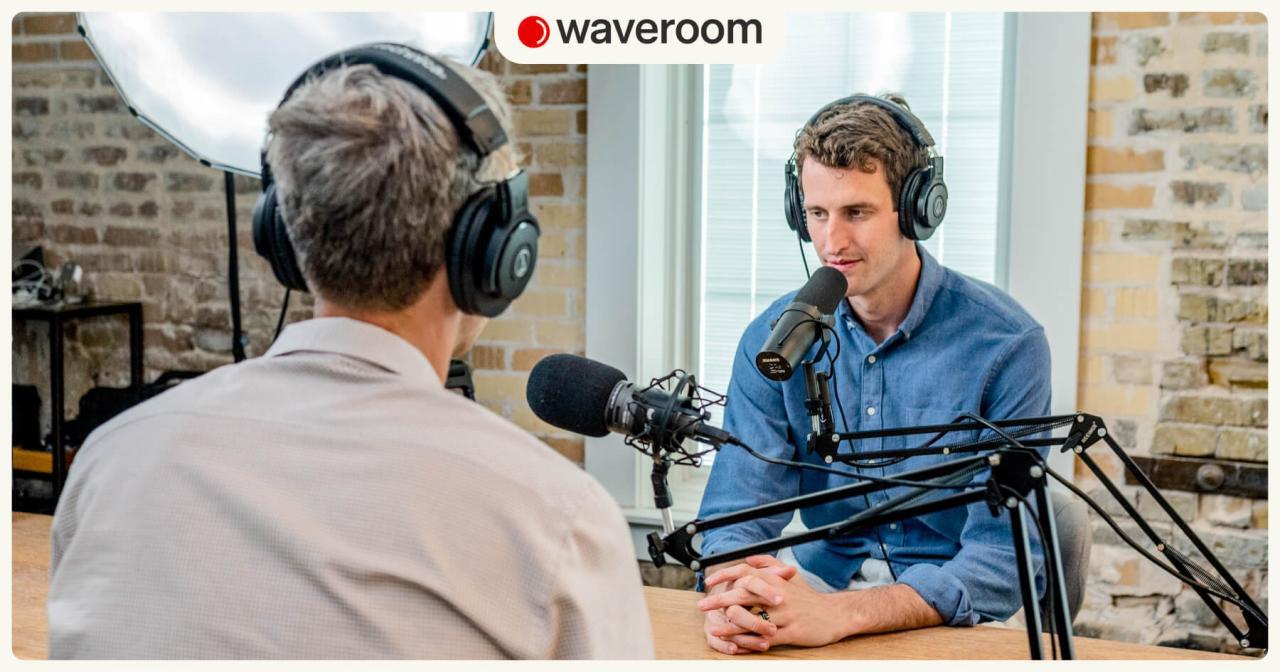
Identifying suitable co-hosts is crucial for a podcast’s success. A strong co-host brings diverse perspectives, enhances engagement, and contributes significantly to the overall quality of the podcast. Thorough evaluation of potential co-hosts ensures a harmonious working relationship and a positive listening experience for the audience.
Initial Conversations
Careful planning and execution of initial conversations with potential co-hosts are vital. These conversations should be structured to assess compatibility, shared vision, and mutual respect. Establish clear communication channels and expectations early on. These interactions should be treated as interviews, with a focus on getting to know the potential co-host on a deeper level. This approach allows for a more informed decision-making process.
Evaluating Experience, Skills, and Enthusiasm
Assessing a co-host’s experience, skills, and enthusiasm is essential. Ask about their past podcasting experiences, interviewing skills, and ability to contribute unique insights. Inquire about their familiarity with various podcasting tools and their comfort level in different roles. Enthusiasm for the subject matter and the podcast’s goals is also a key indicator of potential success. Enthusiasm translates into greater engagement and a more dynamic conversation.
Assessing Niche and Target Audience Understanding
Evaluating a co-host’s comprehension of the podcast’s niche and target audience is paramount. Questions about their familiarity with the target audience’s interests, challenges, and perspectives can reveal their understanding of the subject matter. Understanding the podcast’s purpose and how their insights align with the overall message is crucial. A co-host who grasps the target audience’s needs is more likely to resonate with listeners.
Interview Questions for Evaluating Potential Co-hosts
A well-structured interview process is critical to identifying suitable co-hosts. The following questions provide a framework for evaluating potential co-hosts:
- Describe your podcasting experience and any notable projects you’ve worked on.
- How do you approach collaborative discussions and how do you handle disagreements?
- What are your thoughts on the podcast’s niche and target audience? How do you see your expertise aligning with these aspects?
- What are your preferred communication styles and how do you adapt to different conversational dynamics?
- What are your typical listening habits, and how do you stay up-to-date on relevant industry news or trends?
- How do you handle time constraints and prioritize tasks when working collaboratively?
Uncovering Potential Conflicts or Disagreements
Identifying potential conflicts or disagreements is crucial. Questions designed to uncover these issues should focus on differing opinions, work styles, and communication preferences. Addressing these concerns proactively can lead to a more harmonious co-hosting experience.
- How do you approach disagreements and differing perspectives during a recording or editing session?
- Describe a time you had a conflict with a collaborator, and how you resolved it.
- What are your typical working hours, and how does that align with the podcast’s schedule?
Evaluating Listening Habits and Following Directions
Assessing listening habits and the ability to follow directions is vital for a smooth podcasting process. Evaluate how they approach listening to podcasts, their feedback process, and their understanding of the recording process. This ensures that they can contribute constructively to the podcast.
- How do you usually prepare for a podcast episode, and how do you stay informed about relevant content?
- Describe your experience with following directions and feedback from others in a collaborative environment.
- How do you approach taking notes during a podcast recording, and what tools do you use?
Criteria for Evaluating Potential Co-hosts
The following table Artikels the criteria for evaluating potential co-hosts:
| Criteria | Excellent | Good | Needs Improvement |
|---|---|---|---|
| Experience | Significant podcasting experience | Some podcasting experience | Limited podcasting experience |
| Skills | Strong communication and interviewing skills | Adequate communication and interviewing skills | Needs improvement in communication and interviewing skills |
| Enthusiasm | High level of enthusiasm for the subject matter | Moderate enthusiasm for the subject matter | Low level of enthusiasm for the subject matter |
| Niche Understanding | Deep understanding of the niche and target audience | Basic understanding of the niche and target audience | Limited understanding of the niche and target audience |
| Communication Style | Excellent communication style, adaptable to various situations | Good communication style, generally adaptable | Needs improvement in communication style |
Establishing a Co-hosting Agreement
A well-defined co-hosting agreement is crucial for a successful podcast partnership. It Artikels the expectations, responsibilities, and compensation (if any) for each co-host, minimizing potential conflicts and ensuring a smooth collaborative process. This document serves as a roadmap for the podcast’s future, fostering a productive and mutually beneficial relationship.A comprehensive co-hosting agreement provides a framework for navigating the complexities of a shared podcast project.
It clarifies the roles and responsibilities of each participant, establishes a structure for decision-making, and defines the terms of any financial compensation. This document also protects the interests of all parties involved and lays the groundwork for a successful and long-lasting podcast collaboration.
Key Components of a Co-hosting Agreement
A robust co-hosting agreement should encompass several key components to ensure clarity and accountability. These components facilitate a collaborative environment, protect individual interests, and set clear expectations for all involved.
- Roles and Responsibilities: Clearly defining each co-host’s specific tasks is essential. This includes outlining responsibilities for content creation, editing, promotion, social media management, and other podcast-related activities. Examples include outlining who is responsible for research, writing, recording, editing, or managing social media for the podcast.
- Compensation (if applicable): The agreement should explicitly state whether compensation is involved and the terms for payment. This could include hourly rates, per-episode fees, or a percentage of podcast revenue. Specific payment schedules and details should be Artikeld, including deadlines and methods of payment.
- Decision-Making Process: The agreement should Artikel how critical decisions regarding the podcast, such as content selection, guest requests, or marketing strategies, will be made. This might involve majority voting, consensus-building, or a defined decision-making structure.
- Intellectual Property Rights: This section clarifies who owns the rights to the podcast content, including the audio recordings, transcripts, and any associated intellectual property. It’s important to address who retains rights to any individual co-host’s contributions, and how those rights may be used in the future.
- Podcast Ownership and Management: The agreement should detail the structure of podcast ownership. Is it a sole proprietorship, partnership, or another legal entity? Who manages the podcast’s finances, and how are expenses shared?
- Term of Agreement and Termination Clause: Specify the duration of the agreement and the conditions under which it can be terminated by either party. Artikel the process for termination, including any notice periods required.
Defining Roles and Responsibilities
Clearly defining roles and responsibilities prevents misunderstandings and ensures that each co-host understands their contribution to the podcast’s success. This clarity facilitates a collaborative and productive environment.
- Content Creation: Artikel specific responsibilities for each co-host regarding research, writing, recording, and editing podcast episodes. Examples might include one co-host focusing on research while the other manages the recording sessions. The agreement should clearly define who is responsible for which part of each episode.
- Marketing and Promotion: Specify responsibilities for promoting the podcast on social media, through email campaigns, and other channels. It’s vital to define the specific tasks, frequency, and tools used for promotion.
- Financial Management: Artikel responsibilities for managing podcast expenses, including recording costs, editing software, and other related expenditures. This often involves who is responsible for tracking and submitting expenses.
Compensation Structures
Compensation structures should be tailored to the specific needs and financial situations of the co-hosts. Several compensation structures can be considered.
- Hourly Rate: A co-host might be compensated for each hour spent on tasks such as recording, editing, or promoting the podcast.
- Per-Episode Fee: This structure involves a fixed payment for each podcast episode, reflecting the effort and time commitment associated with producing a complete episode.
- Percentage of Revenue: A co-host may receive a percentage of the podcast’s revenue, aligning their compensation with the podcast’s financial performance. This requires a clear understanding of how revenue will be tracked and divided.
Creating a Legally Sound Agreement
Consult with a legal professional to ensure the agreement is legally sound and protects the interests of all parties. A lawyer can advise on specific clauses and ensure compliance with relevant laws. Seeking legal advice is a crucial step in creating a comprehensive and legally sound co-hosting agreement.
Sample Co-hosting Agreement Template
[Placeholder for a sample co-hosting agreement template. This would typically include sections for parties involved, agreement terms, roles and responsibilities, compensation, and dispute resolution.]
Table of Clauses in a Co-hosting Agreement
| Clause | Description |
|---|---|
| Parties Involved | Identifies the co-hosts and their respective roles. |
| Agreement Term | Specifies the duration of the agreement. |
| Roles & Responsibilities | Artikels the specific tasks and duties of each co-host. |
| Compensation | Details the compensation structure, if applicable. |
| Intellectual Property | Clarifies ownership rights to podcast content. |
| Podcast Management | Artikels decision-making processes and financial management. |
| Dispute Resolution | Specifies the process for resolving disagreements. |
| Termination Clause | Describes the conditions for terminating the agreement. |
Nurturing the Co-hosting Relationship

Building a strong and lasting co-hosting relationship is crucial for the success of any podcast. A collaborative and supportive environment fosters creativity, ensures high-quality content, and ultimately enhances the listening experience. This section Artikels strategies for nurturing this partnership, focusing on ongoing communication, shared understanding, positive interactions, conflict resolution, and celebrating milestones.
Ongoing Communication and Feedback
Effective communication is the cornerstone of a thriving co-hosting partnership. Regular check-ins, whether via scheduled calls, email exchanges, or even instant messaging, are vital for staying aligned and addressing any concerns promptly. This proactive approach ensures both hosts are informed about the podcast’s progress and can offer valuable input. Open and honest feedback sessions, where constructive criticism is welcomed, are essential for continuous improvement.
These sessions should be scheduled routinely to maintain the quality and consistency of the podcast.
Establishing a Shared Understanding of Podcast Goals
A clear understanding of the podcast’s objectives and desired outcomes is paramount. Defining the target audience, content themes, and desired impact will help maintain focus and ensure both hosts are working toward the same vision. This shared understanding fosters a sense of purpose and commitment, making the co-hosting experience more rewarding. Regular reviews of the podcast’s progress against these established goals provide opportunities for course correction and maintain momentum.
Maintaining a Positive and Productive Working Relationship
Cultivating a positive and productive working relationship hinges on mutual respect, trust, and open communication. Active listening, empathy, and the willingness to compromise are key elements. Recognizing each other’s strengths and contributions and offering support during challenging periods strengthens the bond and creates a supportive environment. Delegating tasks effectively based on individual strengths can also contribute to a more balanced and efficient workflow.
Addressing Disagreements and Conflicts Constructively
Disagreements are inevitable in any collaborative endeavor. A crucial aspect of a healthy co-hosting relationship is the ability to address conflicts constructively. Establishing clear guidelines for resolving disagreements and conflicts, including a pre-determined process for conflict resolution, is essential. This process should emphasize respectful dialogue, active listening, and a commitment to finding mutually agreeable solutions. A willingness to compromise and seek common ground is vital in overcoming disagreements.
Celebrating Successes and Acknowledging Milestones
Recognizing and celebrating milestones, both big and small, is essential for maintaining motivation and fostering a sense of accomplishment. This could include acknowledging individual contributions to a successful episode or highlighting listener feedback and growth. Acknowledging milestones and successes reinforces a positive dynamic and reinforces the value of the collaborative effort. Regularly reviewing and reflecting on the podcast’s achievements, big or small, can serve as valuable motivation for future episodes.
Best Practices for Maintaining a Healthy Co-hosting Relationship
| Category | Best Practice |
|---|---|
| Communication | Regular scheduled check-ins and feedback sessions |
| Collaboration | Establish shared understanding of podcast goals |
| Conflict Resolution | Pre-determined process for constructive conflict resolution |
| Motivation | Celebrate successes and milestones |
| Support | Provide mutual support and recognition of individual strengths |
Last Point

In conclusion, finding the right co-host is a multifaceted process requiring careful consideration of various factors. By defining your needs, identifying ideal qualities, sourcing potential co-hosts, and evaluating their suitability, you’ll significantly increase your chances of building a strong and lasting partnership. A well-structured co-hosting agreement and ongoing nurturing of the relationship will ensure a positive and productive collaboration, ultimately leading to a more engaging and successful podcast.