Mastering microphone technique is crucial for achieving high-quality audio recordings, whether you’re a seasoned podcast host, a voice actor, or a musician. This comprehensive guide delves into the intricacies of microphone placement, selection, vocal technique, recording, troubleshooting, maintenance, and advanced strategies. Discover practical tips and techniques to elevate your audio production to new heights.
From understanding the nuances of microphone types and polar patterns to mastering vocal projection and breath control, this guide equips you with the knowledge and skills to optimize your recordings. We’ll explore the essential steps in preparation, recording, and mixing, along with detailed troubleshooting for common microphone issues. Ultimately, you’ll gain a profound understanding of how to enhance your audio production and achieve professional-grade results.
Microphone Placement and Positioning

Microphone placement is critical for achieving high-quality audio recordings. Proper positioning not only affects the sound’s clarity and presence but also significantly impacts the overall aesthetic and impact of the recording. This careful consideration ensures a professional and engaging listening experience for the audience.Optimal microphone placement varies greatly depending on the recording scenario, vocal style, and desired sonic outcome.
Understanding these nuances allows for a tailored approach, resulting in recordings that effectively capture the intended nuances of the voice.
Microphone Placement for Various Recording Scenarios
Effective microphone placement is essential for capturing high-quality audio in diverse recording settings. For podcasts, a close-miking technique is often employed to achieve a clear and intimate sound, bringing the listener closer to the conversation. For voice-overs, a more balanced approach is often preferred to maintain a professional and neutral tone. Singing recordings, however, necessitate careful consideration of the microphone’s proximity to the vocalist’s mouth to avoid unwanted sounds and ensure the clarity of the vocal range.
Microphone Placement for Different Vocal Styles
The optimal microphone placement significantly varies based on the vocal style. A well-designed approach considers the desired effect and the nature of the performance.
| Vocal Style | Microphone Type | Distance (cm) | Angle (degrees) | Desired Effect |
|---|---|---|---|---|
| Spoken Word | Dynamic or Condenser | 15-30 | 90-120 | Clear, direct, and intimate sound; suitable for podcasts and interviews. |
| Opera | Large diaphragm condenser | 45-75 | 45-60 | Rich, full, and resonant sound that captures the full vocal range. |
| Pop | Dynamic or Condenser | 10-25 | 90-110 | Clear, present, and controlled sound, with good proximity effect. |
| Classical | Condenser | 20-40 | 90-110 | Natural, detailed, and balanced sound that captures the nuances of the performance. |
Common Microphone Placement Mistakes
Several common mistakes negatively impact audio quality. Placing the microphone too far from the source results in a weak and distant sound, lacking the desired presence. Conversely, positioning it too close can lead to a harsh, distorted, or overly “boomy” sound. Furthermore, improper angle alignment may cause unwanted coloration or “muddiness” in the audio.
Acoustic Treatment and Room Acoustics
Acoustic treatment significantly enhances microphone technique. Utilizing sound-absorbing materials, like blankets or acoustic panels, can mitigate reflections and reverberations, leading to a clearer and more focused sound. This is crucial for improving the overall quality of recordings in various room setups.Consider the room’s natural acoustics when placing the microphone. A room with excessive reverberation may cause the sound to become muddled and indistinct.
By strategically positioning the microphone in relation to reflective surfaces, you can control the sound’s directionality and clarity. For example, positioning the microphone away from walls and hard surfaces helps minimize unwanted reflections.
Microphone Selection and Type

Choosing the right microphone is crucial for achieving high-quality audio recordings. Understanding the characteristics of different microphone types and their suitability for various applications is essential for capturing optimal sound. This section will delve into the world of microphone selection, exploring different types, their polar patterns, and common problems.Microphone selection involves careful consideration of the desired sound quality, recording environment, and intended use.
Factors such as budget, portability, and the specific requirements of the project all play a role in the decision-making process. This comprehensive overview will equip you with the knowledge needed to make informed choices and achieve professional-grade recordings.
Microphone Types and Their Characteristics
Different microphone types exhibit distinct characteristics, making them suitable for various applications. Understanding these differences allows for optimal sound capture.
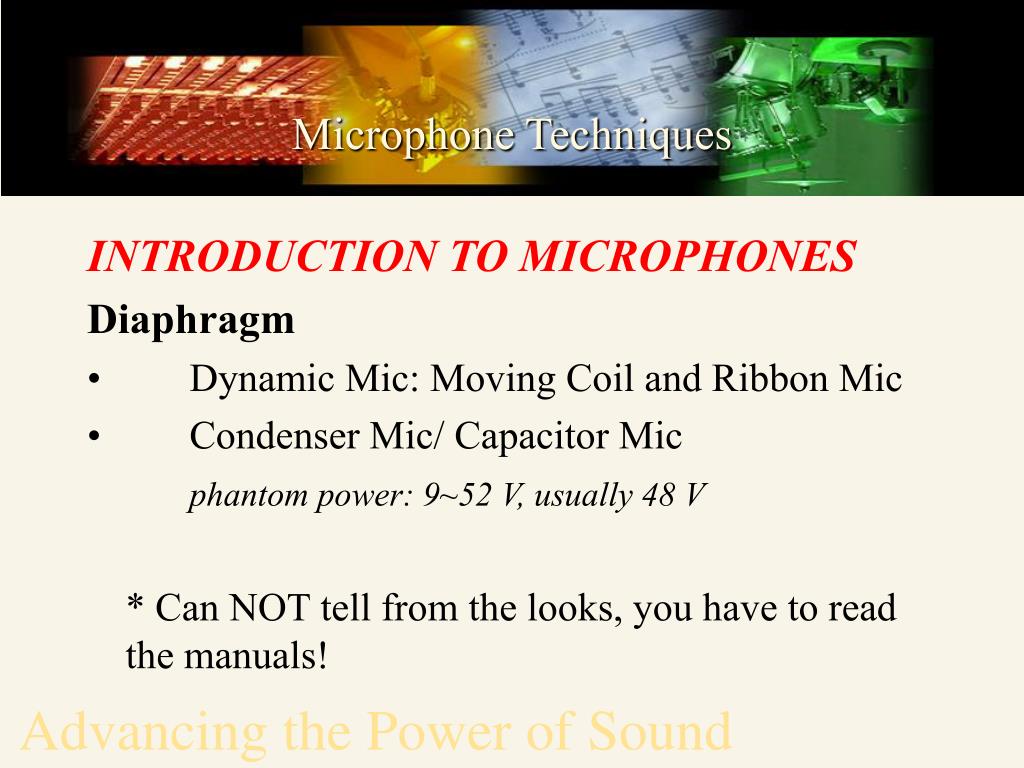
- Dynamic Microphones: These microphones are robust and durable, making them ideal for live performances, recording instruments, and general use in less controlled environments. They are less susceptible to unwanted noise and are generally more affordable. Dynamic microphones typically use a diaphragm and a coil to convert sound waves into electrical signals. This design makes them less sensitive to external vibrations compared to other types, resulting in a more reliable and less prone to distortion.
- Condenser Microphones: These microphones are highly sensitive and offer exceptional clarity and detail. Their high sensitivity makes them ideal for capturing delicate sounds and vocals in controlled studio settings. Condenser microphones typically use a capacitor to convert sound waves into electrical signals, and require phantom power to operate. This makes them well-suited for recording vocals, acoustic instruments, and other applications demanding superior detail.
- Ribbon Microphones: Known for their smooth and warm sound signature, ribbon microphones offer a unique tonal quality. They are highly sensitive and are often used for capturing instruments with a rich, full sound, such as acoustic guitars and string sections. Ribbon microphones use a thin ribbon as the diaphragm, which results in a unique response compared to dynamic and condenser mics.
Microphone Polar Patterns
The polar pattern of a microphone dictates how it responds to sound waves from different directions. Understanding these patterns is crucial for achieving the desired sound capture.
- Cardioid: Cardioid microphones are highly directional, picking up sound primarily from the front and rejecting sound from the sides and rear. This pattern is ideal for situations where you want to isolate a specific sound source and minimize background noise.
- Omnidirectional: Omnidirectional microphones pick up sound from all directions equally. This pattern is useful for capturing sound in a room or a large space without needing precise placement, and is frequently used for ambient recordings or in scenarios where a wide sound field is needed.
- Figure-8: A figure-8 or bidirectional microphone pattern picks up sound primarily from the front and back, while rejecting sound from the sides. This pattern is commonly used for stereo recording, as it creates a distinct sound image.
Microphone Selection Considerations
Several factors influence the selection of a microphone.
- Application: The intended use of the microphone significantly impacts the selection process. For example, a dynamic microphone might be suitable for live performances, whereas a condenser microphone might be preferred for recording vocals in a studio.
- Budget: Microphone prices vary considerably, and selecting a microphone within your budget is important. Consider the trade-offs between price and quality to make a suitable choice.
- Portability: If the microphone will be used in various locations, portability is a key consideration. Lightweight and compact designs are ideal for mobile recording.
- Sound Requirements: Specific sound requirements (e.g., frequency response, dynamic range) should be considered when selecting a microphone.
Common Microphone Problems and Solutions
Several issues can arise during microphone use.
- Humming or Noise: Humming or noise often stems from electrical interference. Solutions include using a shielded cable, grounding the microphone properly, or employing a noise gate.
- Poor Sound Quality: Factors like poor microphone placement, inadequate preamps, or faulty connections can result in poor sound quality. Troubleshooting these issues often involves optimizing microphone placement, utilizing high-quality preamps, and ensuring proper connections.
- Distortion: Overdriving the microphone or using inappropriate gain settings can lead to distortion. Adjusting the gain and volume levels can resolve this issue.
Vocal Technique for Optimal Mic Performance
Proper vocal technique is crucial for achieving clear, professional-sounding audio recordings. This involves more than just speaking clearly; it encompasses the interplay between your voice, breath control, and the microphone itself. A well-executed vocal technique ensures that your voice translates effectively to the recording medium, minimizing unwanted sounds and maximizing clarity.Effective vocal technique is paramount to a successful recording.
It goes beyond simply speaking into a microphone; it involves conscious control over vocal projection, breath management, and the avoidance of detrimental vocal habits. By mastering these techniques, you can significantly enhance the quality and impact of your recorded voice.
Vocal Projection and Breath Control
Vocal projection and breath control are fundamental aspects of vocal technique for optimal microphone performance. Proper projection ensures your voice reaches the microphone effectively without straining your vocal cords. Controlled breathing allows for sustained delivery and avoids abrupt pauses or inconsistencies in sound.Proper breath control is essential for consistent volume and avoids unwanted breath sounds. Diaphragmatic breathing, which involves engaging the diaphragm to draw air into the lungs, allows for sustained vocalizations.
Learning to control your breath allows for better control over volume and pacing, enhancing the overall clarity and professionalism of the recording.
Avoiding Vocal Plosives and Pops
Vocal plosives and pops are common issues in recordings, resulting from the sudden release of air pressure during certain sounds. These sounds can cause distorted or unpleasant audio artifacts. Techniques to minimize these issues include adjusting your mouth position and vocal placement.To mitigate vocal plosives, focus on a slightly more forward mouth position, allowing the air to escape more gradually.
Adjusting your vocal placement slightly back can also reduce the impact of plosives. Additionally, consciously guiding the air flow can reduce the harshness of plosives, improving the clarity of the recording. Experimenting with different mouth shapes and positions will help identify what works best for you.
Vocal Warm-ups for Microphone Use
Vocal warm-ups are essential for preparing your vocal cords for extended use and optimal microphone performance. They help to increase flexibility and control, improving the overall quality of your voice during recording sessions.Regular vocal warm-ups can help maintain vocal health and prevent strain during extended recording sessions. These warm-ups can include gentle humming, lip trills, and vocal glides.
Examples include sustained vowels, tongue twisters, and scales. These simple exercises can prepare the vocal cords for the demands of recording and prevent potential issues such as vocal fatigue.
Vocal Exercises for Clarity and Noise Reduction
Vocal exercises are beneficial in enhancing clarity and reducing background noise during recordings. These exercises focus on vocal precision and diction, ensuring that the intended message is communicated effectively.Exercises like repeating tongue twisters or practicing clear articulation of consonants and vowels will help reduce background noise during recordings. These exercises will aid in the reduction of background noise.
Practice clear articulation of consonants and vowels to enhance clarity. Specific exercises to consider include enunciating different sounds and working on specific vowels. Such exercises can significantly improve your vocal clarity.
Managing Vocal Fatigue During Extended Sessions
Managing vocal fatigue during extended recording sessions is critical to maintaining consistent performance. Strategies for managing vocal fatigue include breaks, hydration, and vocal rest.During extended recording sessions, it’s crucial to take regular breaks to allow your vocal cords to rest. Maintaining proper hydration helps keep your vocal cords lubricated, which is essential for preventing dryness and discomfort. Avoid straining your voice and listen to your body.
Taking breaks and ensuring adequate hydration can prevent vocal fatigue. Additionally, consulting a speech therapist for vocal training can be beneficial for extended sessions.
Audio Recording and Mixing Considerations
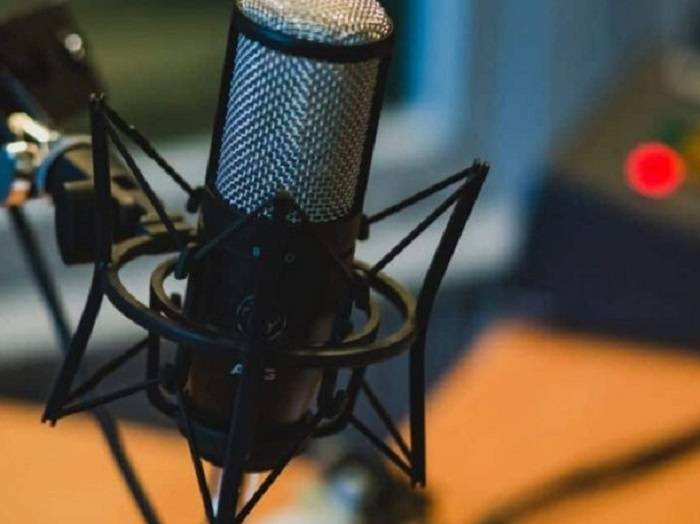
Proper audio recording and mixing are crucial for maximizing the quality and impact of your vocal performance. These steps build upon the foundation established by microphone selection, placement, and vocal technique, ensuring a polished and professional final product. Careful attention to detail in this stage ensures your voice is heard clearly and expressively.
Preparing for a Recording Session
A well-structured recording session begins with meticulous preparation. This involves not only the technical setup but also the mental and emotional readiness of the performer. This preparation includes testing the microphone and audio interface to ensure optimal functionality and signal strength. A test recording will allow for adjustments and fine-tuning before the actual recording begins. This pre-recording check helps avoid unexpected technical issues during the session.
Importance of High-Quality Audio Interfaces
High-quality audio interfaces are essential for maintaining the integrity of the audio signal. They act as the bridge between your microphone and your recording software. A good interface minimizes noise and distortion, ensuring that the nuances of your vocal performance are accurately captured. Lower-quality interfaces may introduce unwanted background noises or artifacts that degrade the sound quality, affecting the overall final product.
Investing in a quality interface is an investment in the final sound quality.
Recording and Mixing Vocals for Optimal Performance
Recording vocals effectively requires a structured approach. Record each vocal track separately, enabling precise control over individual elements and a smoother mixing process. Record multiple takes for each vocal section, providing choices for editing and fine-tuning. Ensure consistent levels across all tracks to avoid unwanted clipping or distortion. During mixing, carefully balance the levels of different vocal layers, instruments, and effects to create a harmonious soundstage.
Comparing Audio Editing Software
Different audio editing software offers varying tools and features, impacting microphone technique. Popular choices include Pro Tools, Ableton Live, Logic Pro X, and Audacity. Pro Tools, known for its professional features, often demands a steeper learning curve but provides advanced control over audio manipulation. Ableton Live, favored by electronic music producers, provides a flexible and intuitive workflow for dynamic mixing and arrangement.
Logic Pro X, part of Apple’s professional audio suite, is known for its intuitive interface and comprehensive suite of tools. Audacity, a free and open-source option, offers a powerful set of tools for basic to intermediate users. The best choice depends on the specific needs and experience level of the user.
Using Compression and EQ for Vocal Clarity
Compression and equalization (EQ) are powerful tools for enhancing vocal clarity and presence. Compression controls the dynamic range of your audio, reducing loud peaks and smoothing out quieter passages. This can improve the consistency of your vocal levels, making it easier to mix and enhancing overall vocal presence. EQ allows for targeted adjustments to specific frequency ranges, reducing unwanted noises and highlighting desired characteristics.
For instance, boosting the presence range can make vocals seem more prominent in the mix, while cutting out harsh frequencies can smooth the vocal tone. These techniques contribute to a professional and polished vocal performance.
Troubleshooting and Common Issues
Effective microphone use hinges on addressing potential problems promptly and efficiently. This section will detail common microphone issues and their solutions, ensuring a smooth and professional audio recording experience. Proper troubleshooting is crucial for achieving high-quality audio, regardless of the recording environment.Troubleshooting microphone issues involves systematic analysis and targeted solutions. This section provides a structured approach to diagnosing and rectifying common problems, from feedback to connection issues.
Understanding the underlying causes is vital for finding effective remedies.
Common Microphone Problems and Solutions
Understanding the common issues that can arise with microphones is crucial for effective troubleshooting. These problems can range from simple connectivity issues to more complex audio interference. Addressing these problems proactively will ensure optimal performance and prevent frustration during recording sessions.
- Feedback: Feedback occurs when sound from the speaker’s voice is amplified and fed back into the microphone, creating a howling or squealing sound. This often results from improper microphone placement or an incorrect microphone-speaker distance. Moving the microphone further from the sound source or adjusting the speaker’s position can often resolve this issue. Using a soundboard or acoustic treatment can also help reduce the reflection of sound.
Proper microphone placement, using acoustic treatment, and adjusting the sound source’s position can resolve feedback issues.
- Noise: Unwanted noise, such as hums, clicks, or pops, can negatively impact the audio quality. These noises can stem from various sources, including faulty equipment, power line interference, or even nearby electronic devices. Using a high-quality microphone and a shielded cable can significantly reduce the likelihood of noise. Ensuring that all equipment is grounded properly and using a noise gate in post-production can also minimize noise.
- Poor Audio Quality: Low-quality audio can result from several factors, including poor microphone sensitivity, inappropriate microphone type for the application, or issues with the recording system. Selecting the right microphone for the vocal style and environment is key to optimal quality. Using a high-quality audio interface can significantly enhance the signal-to-noise ratio. Checking the microphone’s gain and adjusting the recording levels can help in achieving a balanced audio signal.
Microphone Sensitivity and Phantom Power Troubleshooting
Microphone sensitivity directly impacts the signal strength picked up by the microphone. Incorrect sensitivity settings can result in weak or distorted audio. Adjusting the microphone’s gain control is a crucial step to optimize sensitivity. Additionally, using a proper audio interface that accurately reflects the microphone’s sensitivity is critical.
- Low Sensitivity: If the microphone appears to have low sensitivity, check the microphone’s gain settings. Increasing the gain will often improve the signal strength. Ensure that the microphone is compatible with the recording device. In some cases, a microphone might need phantom power to function optimally. The use of a proper microphone type and an appropriate audio interface is crucial for this.
- High Sensitivity: Excessive sensitivity can lead to unwanted noise pickup. Lowering the gain will often reduce this issue. Check for any potential external sources of noise and try to minimize them.
- Phantom Power Issues: Phantom power is a method of providing additional electrical power to the microphone. If phantom power is required, ensure that the recording device or audio interface has the necessary phantom power settings enabled. Incorrect or incompatible phantom power settings can cause issues with microphone operation. Consult the microphone’s documentation for specific phantom power requirements.
Microphone Cable Connection Issues
Proper cable connections are essential for transmitting clear audio signals. Damaged or improperly connected cables can lead to signal loss or distortion.
- Loose Connections: A loose connection in the cable can lead to intermittent audio issues. Ensure all connections are tight and secure. Use a high-quality cable to minimize signal loss.
- Damaged Cables: Damaged cables may cause signal interference or complete signal loss. Inspect the cable for any visible damage, such as frayed wires or exposed insulation. If damage is present, replace the cable.
- Incorrect Cable Type: Using the wrong type of cable can result in poor audio quality. Ensure that the cable is compatible with both the microphone and the recording device.
Audio Interference and Prevention
Audio interference is a common problem in recording environments. It can manifest as background noise, pops, clicks, or hums.
- Electrical Interference: Electrical interference is often caused by nearby electrical equipment or power lines. Using shielded cables and grounding the equipment can help minimize this issue.
- Radio Frequency Interference: Radio frequency interference can come from wireless devices, cell phones, or other sources. Moving the microphone or recording device away from these sources can often resolve the problem. Using shielded cables and reducing sources of radio interference can help.
- Acoustic Interference: Acoustic interference is sound that originates from a source other than the desired sound. Using acoustic treatment in the recording environment can help reduce unwanted reflections.
Microphone Output Troubleshooting Guide
Troubleshooting microphone output issues requires a systematic approach. The steps below Artikel a method to diagnose and resolve problems.
- Check Connections: Ensure all connections, including microphone-to-cable and cable-to-device connections, are secure and intact.
- Verify Power Supply: Check the power supply for both the microphone and the recording device.
- Adjust Microphone Gain: Adjust the microphone gain to an appropriate level to avoid clipping.
- Test with Different Cables: Try using a different cable to eliminate cable-related issues.
- Consult Documentation: Refer to the microphone and recording device manuals for specific troubleshooting steps.
Microphone Maintenance and Care
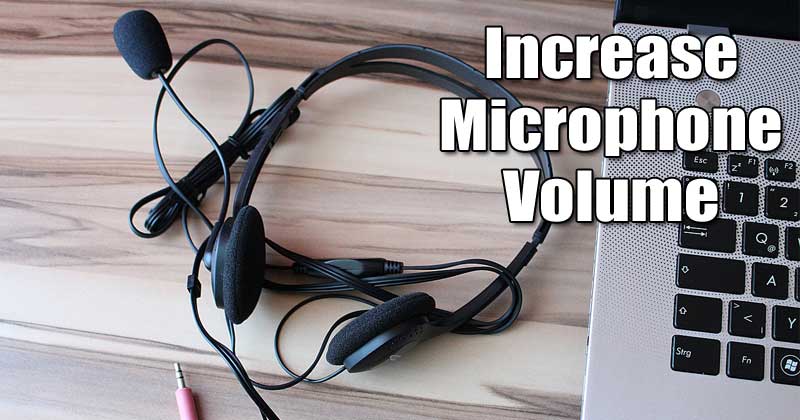
Proper microphone maintenance is crucial for extending the lifespan of your equipment and ensuring consistent, high-quality audio recordings. Neglecting care can lead to premature wear, reduced performance, and costly repairs. Regular cleaning and appropriate storage practices are key to maintaining the optimal functionality of your microphones.
Importance of Regular Maintenance
Regular maintenance extends the operational lifespan of microphones. By addressing minor issues promptly, you can prevent more significant and expensive problems down the line. This includes preventing the buildup of dust, moisture, and other contaminants that can impede sound quality and damage internal components.
Cleaning Procedures for Different Microphone Types
Different microphone types require varying cleaning methods. Carefully consider the construction and material of the microphone when selecting a cleaning procedure. Avoid harsh chemicals and abrasive materials that could damage the microphone’s sensitive components.
- Dynamic Microphones: These microphones are generally robust and can tolerate slightly more forceful cleaning. Use a soft-bristled brush or a slightly damp cloth to remove dust and debris. Avoid getting any moisture inside the microphone housing.
- Condenser Microphones: These microphones are more delicate and require a gentler approach. Use a soft, dry brush to remove dust and debris. If necessary, use a very slightly damp cloth, ensuring it is completely free of lint or fibers. Never immerse condenser microphones in water or other liquids.
- Ribbon Microphones: These microphones are extremely sensitive and require the most delicate cleaning. Use a soft, dry brush to remove dust and debris. Avoid using any liquid or harsh chemicals, as these could damage the delicate ribbon element. Professional cleaning is often recommended for ribbon microphones.
Storage and Protection
Proper storage is essential for protecting microphones from damage. Microphones should be stored in a cool, dry environment, away from direct sunlight, extreme temperatures, and humidity. Use appropriate carrying cases or protective covers to prevent scratches and other damage.
- Storage Environments: Avoid storing microphones in areas with excessive dust, humidity, or temperature fluctuations. A climate-controlled environment is ideal.
- Protective Cases: Use dedicated carrying cases or soft-lined bags to cushion the microphone during transport and storage, protecting it from accidental bumps and scratches.
- Proper Handling: Handle microphones with care, avoiding dropping or otherwise mishandling them. Hold the microphone by its base or handle to minimize stress on the capsule.
Microphone Accessories and Their Uses
A variety of accessories can enhance microphone functionality and protection.
- Pop Filters: These filters reduce plosive sounds (like “p” and “b”) from impacting the microphone diaphragm, leading to clearer recordings. They are essential for vocal recordings to improve audio quality.
- Shock Mounts: These mounts isolate the microphone from vibrations, reducing unwanted noise and improving the clarity of the recording. This is especially helpful in recording environments with ambient noise.
- Microphone Stands: These stands provide a stable support for the microphone, preventing movement and ensuring the microphone is at the desired height and angle.
- Windshields: These shields protect the microphone from wind noise, crucial in outdoor or windy recording environments.
Preventing Damage to Microphone Elements and Components
To maintain the quality and lifespan of your microphones, it’s important to avoid practices that can cause damage.
- Avoid Moisture and Liquids: Never expose microphones to water, moisture, or liquids. Condensation can damage internal components.
- Handle with Care: Do not drop or mishandle microphones. Gentle handling is critical to maintain the integrity of internal components.
- Avoid Excessive Force: Never apply excessive force or pressure to the microphone capsule or other internal elements. This can cause distortion and damage.
Advanced Techniques and Best Practices
Mastering microphone technique extends beyond basic placement and selection. Advanced techniques unlock nuanced sound capture and optimal vocal performance across diverse applications. This section delves into specialized approaches for various genres, intricate sound capture, and enhancing vocal presence. It also explores the use of multiple microphones for stereo recordings and live performance strategies.Understanding the specific needs of different genres allows for tailored microphone technique.
For example, a vocalist in a rock band will benefit from a different approach than a podcast host or voice actor. By adjusting techniques based on the desired sound, recording quality is significantly improved.
Microphone Techniques for Specific Genres
Microphone selection and positioning are critical to achieving the desired sound for each genre. Different genres require different characteristics in the recording.
- Music Recording: For rock music, dynamic microphones like the Shure SM57 or the Electro-Voice RE20 are often preferred for their ability to handle high sound pressure levels and capture aggressive sounds. Condenser microphones like the AKG C414 are well-suited for capturing intricate details and nuances in acoustic music. Careful consideration of the room acoustics and the proximity effect is essential to capture the full sonic spectrum while maintaining a clear and defined vocal presence.
- Podcasting: A more intimate and natural sound is often preferred in podcasts. Small-diaphragm dynamic microphones like the Audio-Technica AT2020 or the Samson Q2U are popular choices for their clarity and warmth in capturing conversational tones. Proper placement, minimizing background noise, and a focus on vocal clarity are crucial for creating an engaging listening experience.
- Voice Acting: In voice acting, clarity and projection are paramount. Condenser microphones with a wide frequency response are preferred, like the Neumann U87 or the AKG D112, to ensure that every nuance of the voice is captured. A quiet recording environment, careful microphone placement to eliminate unwanted noise, and attention to detail in vocal delivery are critical for delivering a convincing and impactful performance.
Advanced Techniques for Capturing Nuances
Advanced techniques can significantly enhance the nuanced quality of recordings. These techniques involve not only the microphone but also understanding and controlling the sound environment.
- Proximity Effect: The proximity effect describes the change in the frequency response of a microphone as the sound source moves closer to the diaphragm. This effect is especially noticeable with dynamic microphones, making the lower frequencies appear stronger when the source is close to the microphone. Adjusting the distance between the microphone and the sound source can create a more full and rich sound, or it can eliminate unwanted bass resonance.
- Microphone Pattern Selection: Different microphone patterns (cardioid, omnidirectional, bidirectional) affect how sound is captured from different directions. Cardioid mics are commonly used for isolating a sound source, reducing background noise. Omnidirectional mics capture sound from all directions, useful in capturing the ambient sounds in a room. Understanding the environment and desired effect determines the ideal pattern for a particular recording situation.
Strategies for Improving Vocal Clarity and Presence
Improving vocal clarity and presence in recordings involves careful microphone placement, vocal technique, and appropriate mixing techniques.
- Vocal Technique: Proper vocal technique can significantly impact the clarity and presence of a vocal performance. Maintaining consistent breath support and diction is essential. Clear articulation and consistent vocal projection improve vocal clarity.
- Room Acoustics: The acoustics of the recording space can dramatically affect the quality of the recording. Consider the reverberation and reflections in the room. Treating the room with acoustic panels or strategically positioning the microphone in relation to reflective surfaces will reduce unwanted sounds and improve clarity.
Using Multiple Microphones for Stereo Recordings
Stereo recordings capture sound with more dimension and depth than mono recordings. Using multiple microphones can significantly improve the recording’s spatial characteristics.
- Stereo Microphone Pairings: Using a pair of microphones placed at a distance captures the sound from different angles, creating a more natural and immersive listening experience. This is commonly used in music recordings and can be adapted for podcasts.
Using a Microphone for Live Performances
Using a microphone for live performances requires a different approach than studio recordings.
- Microphone Selection for Live Performance: Dynamic microphones are typically preferred for live performances due to their robustness and ability to handle high sound pressure levels. Consider the stage volume, room acoustics, and the desired sound for your performance.
- Placement and Monitoring: Proper microphone placement is essential for clear audio capture. Monitoring the audio during the performance is critical for adjustments to the sound balance.
Conclusive Thoughts
In conclusion, achieving exceptional audio quality hinges on a thorough understanding of microphone technique. By mastering placement, selection, vocal technique, and recording processes, you can significantly improve the clarity, presence, and overall quality of your recordings. The comprehensive guide provided offers a detailed roadmap for addressing common issues, troubleshooting problems, and maintaining your microphones for optimal performance. From beginner to advanced users, this resource is invaluable for anyone seeking to enhance their audio production skills.