Launching a podcast from the ground up can seem daunting, but with careful planning and execution, it can be a rewarding experience. This guide provides a comprehensive roadmap, covering everything from initial concept development to successful monetization. We’ll explore essential aspects, including niche selection, platform comparison, content creation strategies, and effective promotion techniques. This in-depth approach ensures you have the tools to launch your podcast with confidence and achieve sustainable growth.
From defining your target audience and podcast format to choosing the right hosting platform and creating compelling content, this guide will equip you with the knowledge and strategies necessary to craft a successful podcast. We’ll also cover the technical side, including recording, editing, and managing your podcast’s workflow.
Planning & Concept
Crafting a successful podcast requires careful planning and a clear understanding of your target audience. This stage sets the foundation for the entire podcast’s journey, ensuring a consistent message and attracting the right listeners. A well-defined niche and compelling concept will ultimately determine the podcast’s long-term success.A thoughtfully planned podcast concept is crucial for attracting and retaining a dedicated audience.
It requires defining the podcast’s purpose, target audience, and unique selling proposition (USP). This detailed approach will create a solid foundation for future growth and success.
Podcast Niche and Target Audience
Defining the podcast’s niche and target audience is paramount. This involves identifying a specific area of interest or expertise that resonates with a particular group of people. For instance, a podcast focusing on sustainable living could target environmentally conscious individuals seeking practical advice and inspiration. Similarly, a podcast about coding could cater to aspiring software developers or experienced programmers looking to stay updated with the latest trends.
Successful podcasts in similar niches, like “The Minimalists” (sustainable living) or “Code Newbie” (coding), often stand out due to their unique perspectives and engaging storytelling. These podcasts attract a loyal audience through their specific angle and high-quality content.
Podcast Formats
Choosing the right podcast format is vital for effectively communicating the podcast’s message. The format should align with the niche and target audience. An interview format allows for in-depth discussions with experts, while a solo format offers a personal perspective and storytelling. A panel format can bring diverse viewpoints together to foster stimulating debates. The format selection should consider the podcast’s specific goals and the content to be discussed.
For example, a podcast focused on personal finance might benefit from an interview format, featuring financial advisors, to provide listeners with expert insights.
Podcast Hosting Platforms Comparison
Selecting a reliable podcast hosting platform is essential for publishing and distributing episodes. Different platforms offer varying features, pricing structures, and ease of use. The table below compares key features, pricing, and ease of use of several popular podcast hosting platforms.
| Platform | Features | Pricing | Ease of Use |
|---|---|---|---|
| Anchor | Free basic hosting, easy-to-use interface, social media integration. | Free (limited features), paid options for advanced features. | Very Easy |
| Buzzsprout | Excellent customer support, various pricing tiers, analytics, and marketing tools. | Various tiers with increasing features and storage. | Easy |
| Libsyn | Advanced features, high storage, robust analytics, and podcast monetization options. | Various plans with increasing storage and features. | Medium |
Podcast Theme and Structure
The overall theme and structure should be carefully considered. This includes the frequency of episodes (weekly, bi-weekly, monthly) and the typical episode length. A clear structure helps maintain listener engagement and ensures consistent content delivery. For example, a weekly podcast format with episodes lasting around 30 minutes is manageable for most listeners and promotes consistent engagement. For a podcast that delves deep into a specific topic, longer episodes (e.g., 60-90 minutes) may be appropriate.
Consistency is key to building a loyal audience.
Content Creation
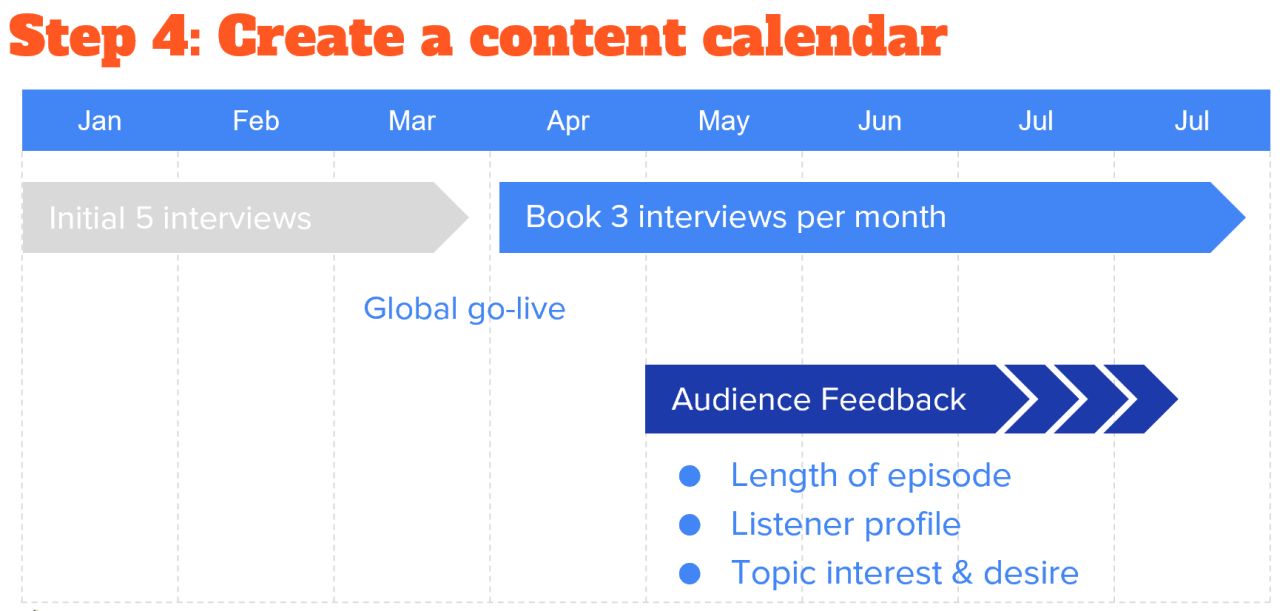
Consistent content creation is paramount to a podcast’s longevity and audience engagement. Regular releases cultivate listener loyalty and establish your podcast as a reliable source of information within your niche. A predictable schedule builds anticipation and encourages listeners to return for new episodes. Furthermore, consistent content demonstrates dedication to your craft and fosters trust with your audience.A well-defined content creation strategy, encompassing regular brainstorming and episode structuring, is vital to maintaining quality and interest.
This involves a robust process for generating ideas, outlining episodes, and ensuring consistent high-quality content. This approach, in turn, helps ensure your podcast remains a valuable resource for your listeners.
Brainstorming Episode Ideas
Generating fresh, engaging episode ideas is crucial for maintaining listener interest. A structured approach to brainstorming can help unlock a steady stream of potential topics. One effective method is to start by listing all aspects relevant to your niche. Consider current events, industry trends, and listener feedback. This comprehensive approach ensures a wide range of topics for potential episodes.
Listing these potential topics, along with s and potential angles, is a good starting point.
Episode Artikel Template
A structured episode Artikel facilitates efficient production and ensures a cohesive narrative. A template provides a clear framework for each episode, ensuring consistent quality. A basic template might include:
- Intro (1-2 minutes): This segment sets the stage for the episode, introducing the topic and providing a brief overview of the content. This is the listener’s first impression.
- Body (15-20 minutes): This is the core of the episode, exploring the chosen topic in detail. This segment should be engaging, well-researched, and provide valuable insights. Include examples, anecdotes, and supporting evidence.
- Outro (1-2 minutes): This segment summarizes the episode’s key takeaways, provides closing remarks, and hints at future episodes. This is the final impression on the listener.
Guest Interview Questions
Guest interviews can significantly enhance your podcast by providing diverse perspectives and expertise. Crafting thoughtful questions ensures engaging and informative discussions.
| Topic | Example Questions |
|---|---|
| Industry Trends | “What are the most significant developments in [specific industry] this year?” “What are your predictions for the future of [specific industry]?” “How can listeners adapt to these changes?” |
| Expert Insights | “What are the key takeaways from your experience in [specific field]?” “Can you share a case study that highlights a success or failure in your work?” “What advice would you give to aspiring professionals in this field?” |
| Personal Experiences | “What inspired you to pursue a career in [specific field]?” “What are some of the biggest challenges you’ve faced and how did you overcome them?” “What are some of the biggest lessons you’ve learned?” |
Research Methodology
Thorough research ensures accuracy and depth in each episode. Start by defining the key concepts related to the episode’s topic. Then, identify reliable sources, such as academic journals, industry reports, and reputable websites. Gather information from multiple sources to verify and cross-reference data. This approach helps build credibility and ensure the podcast delivers factual and insightful information.
Production & Recording
Crafting a high-quality podcast involves meticulous attention to detail in the production and recording stages. A well-produced podcast not only enhances the listening experience but also significantly contributes to establishing credibility and attracting a loyal audience. This stage requires careful consideration of equipment, software, and techniques.
Essential Equipment for High-Quality Audio
High-quality audio is paramount for a successful podcast. The equipment you choose will directly impact the sound quality of your recordings. Investing in good microphones and an audio interface is crucial for capturing clear and professional-sounding audio.
- Microphones: Condenser microphones, known for their detailed and nuanced sound, are frequently preferred for podcasting. Dynamic microphones, while less sensitive, offer good durability and are better suited for louder environments. Consider factors like pickup pattern (cardioid, omnidirectional) and frequency response when selecting a microphone.
- Audio Interface: An audio interface acts as a bridge between your computer and microphone. It allows for proper signal routing, and crucial for handling multiple microphones or other audio devices, offering better control over audio levels. A good audio interface is essential for avoiding distortion and achieving a clean, polished sound.
- Headphones: High-quality headphones are necessary for monitoring audio during recording and editing. They help ensure that you’re capturing clear audio and adjust levels accurately.
- Recording Software: Audacity, GarageBand, and other similar software provide basic recording capabilities. They are often adequate for recording and basic editing. However, for more advanced editing and audio manipulation, dedicated podcasting software might be more suitable.
Audio Editing Software and Features
A variety of software options are available for podcast production, each with its unique set of features. The choice depends on your technical proficiency and budget.
- Audacity: A free and open-source option, Audacity is popular for its ease of use and extensive functionality. It provides basic editing tools such as trimming, fades, and noise reduction. Its simplicity makes it ideal for beginners.
- GarageBand: A user-friendly option for Mac users, GarageBand offers intuitive editing tools and basic audio effects. Its integration with other Apple products simplifies the workflow.
- Adobe Audition: A powerful professional-grade option, Adobe Audition offers advanced editing tools and effects, including advanced noise reduction, EQ, and compression. Its extensive capabilities are often appreciated by experienced podcasters.
- Specialized Podcasting Software: Specialized software like Captivate or Blubrry are designed specifically for podcasting. These typically offer features optimized for podcast production, such as automated episode publishing and social media integration.
Recording a Podcast Episode: Step-by-Step
A structured recording process is vital for producing consistent and high-quality episodes. This ensures that each recording session yields a consistent product, regardless of the environment or the podcast host.
- Prepare your space: Ensure a quiet and well-lit environment to minimize background noise. Test your microphone and headphones.
- Set up your equipment: Connect your microphone to your audio interface and computer. Ensure that the audio interface is correctly configured in your recording software.
- Record your intro: Include a clear and professional intro music, including the podcast title and host information.
- Record your content: Clearly enunciate your words and speak at a consistent pace. Ensure to use a clear voice.
- Record your outro: Include the outro music, thank listeners and promote the next episode.
- Save your file: Save the recording in a suitable format, such as WAV or MP3.
Audio Editing Techniques for Sound Quality Enhancement
Effective audio editing techniques can significantly improve the sound quality of your podcast. These techniques are vital to achieving a polished and professional sound.
- Noise Reduction: Removing unwanted background noise is crucial for clarity. Utilize software tools to reduce or eliminate noise from your recordings.
- EQ (Equalization): Adjusting the frequency balance can improve the overall sound clarity and balance. This enhances the clarity and depth of the audio.
- Compression: This technique reduces the dynamic range of your audio, making it more consistent and easier to listen to. Careful application of compression ensures a smooth sound.
- Fades: Adding fades at the beginning and end of each segment provides a smooth transition between segments, and improves the overall flow of the podcast.
- Sound Effects: Consider using sound effects or music to enhance the atmosphere and keep listeners engaged.
Creating Engaging Intros and Outros
Intros and outros are crucial for setting the tone and providing a professional feel to your podcast. They provide the first and last impressions of the podcast, thus impacting the audience’s perception.
- Music Selection: Choose music that aligns with the overall theme and style of your podcast. Music can set a mood and create anticipation. Ensure that the music is licensed correctly and is suitable for podcasting.
- Clear Announcements: Include essential information like the podcast title, host names, and a brief description. This helps listeners to quickly grasp the content and topic of the podcast.
- Call to Action: Encourage listeners to subscribe, follow social media channels, and visit your website or other platforms. This promotes engagement and audience growth.
Marketing & Promotion
A successful podcast transcends excellent content; it requires effective promotion to reach a wider audience. Marketing strategies are crucial for driving listener acquisition, engagement, and retention. This section details essential strategies to build a thriving podcast community.Effective marketing involves a multi-faceted approach, encompassing various platforms and techniques. Understanding the nuances of different strategies allows podcasters to tailor their approach for optimal results.
The goal is to create a strong online presence and encourage listener interaction.
Podcast Promotion Strategies
A comprehensive podcast marketing strategy should cover multiple avenues to ensure maximum reach. Social media, email campaigns, and guest appearances are among the key strategies. These strategies should be integrated into a coherent plan.
- Social Media Marketing: Leveraging platforms like Twitter, Instagram, Facebook, and TikTok is crucial for podcast promotion. Consistent posting of engaging content, including episode trailers, snippets, and behind-the-scenes glimpses, can attract potential listeners. Utilizing relevant hashtags, engaging in conversations, and collaborating with other podcasters or influencers can significantly amplify reach.
- Email Marketing: Building an email list allows for direct communication with potential listeners. Offering exclusive content, like early access to episodes or bonus material, can incentivize sign-ups. Regular newsletters, announcing new episodes, and sharing insightful podcast industry news are effective ways to nurture subscriber interest and encourage repeat listens.
- Guest Appearances on Other Podcasts: Collaborating with other podcasters by appearing as guests can introduce the podcast to a new audience. This provides a platform to showcase expertise and connect with potential listeners who are interested in similar topics. Careful selection of podcasts aligned with the target audience is essential for maximizing impact.
- Online Communities: Engaging with online communities related to the podcast’s niche can help discover potential listeners. Participating in relevant forums, groups, and social media discussions can build brand awareness and establish credibility within the target audience. Engaging comments and sharing valuable insights are crucial for establishing a strong presence.
Podcast Website/Landing Page Design
A well-designed website or landing page serves as the central hub for podcast information. It’s crucial for listeners to easily access episodes, learn about the hosts, and find contact information. This design should be visually appealing and functional.
- Clear Navigation: The website should feature clear navigation, allowing listeners to easily find specific episodes, contact information, and other important resources. A user-friendly interface enhances the listening experience and fosters a sense of organization.
- Compelling Content: The website should showcase the podcast’s unique value proposition and attract potential listeners. The design should incorporate high-quality visuals, engaging descriptions, and concise information.
- Call to Action (CTA): Incorporating clear calls to action, like subscribing on podcast platforms, visiting social media pages, or leaving reviews, encourages active engagement.
Social Media Strategy
A well-defined social media strategy is essential for increasing podcast visibility and engagement. A consistent posting schedule and targeted content are vital for attracting potential listeners. Analyzing platform-specific trends is key for optimal results.
- Consistent Posting Schedule: A regular posting schedule helps maintain audience engagement and visibility. A consistent presence builds anticipation and encourages listeners to check for new content.
- Targeted Content: Posting content relevant to the podcast’s target audience is vital for attracting potential listeners. The content should be optimized for the specific platform, ensuring maximum impact.
- Engagement Tactics: Interacting with listeners through comments, direct messages, and polls encourages engagement and fosters a sense of community.
Leveraging Podcast Directories & Apps
Podcast directories and apps are crucial for reaching a broader audience. Proper optimization ensures discoverability and enhances listener access to the podcast. Listing the podcast across multiple platforms maximizes visibility.
- Podcast Directory Optimization: Optimizing podcast listings across various platforms ensures maximum visibility and accessibility for potential listeners. Using relevant s and descriptions enhances discoverability and increases the likelihood of attracting new listeners.
- App Store Optimization (ASO): Optimizing podcast listings within apps (e.g., Apple Podcasts, Spotify) involves using relevant s and engaging descriptions. This process helps the podcast rank higher in search results, making it easier for potential listeners to discover.
Growth & Monetization
Nurturing a successful podcast requires a strategic approach to growth and monetization. This phase focuses on maximizing listener engagement, building a loyal audience, and exploring various revenue streams. Understanding key performance indicators and implementing effective listener retention strategies are crucial for long-term podcast success.A well-defined monetization strategy allows podcasters to sustain their efforts and continue delivering high-quality content.
This involves careful planning and adaptation to the podcast’s niche and audience.
Tracking Podcast Performance Metrics
Understanding podcast performance is essential for adjustments and improvements. Key metrics include downloads, listens, listener engagement, and audience demographics. Regular monitoring of these metrics provides valuable insights into podcast performance and audience response. This data helps identify areas of strength and weakness, enabling informed decisions for future content and strategies.
- Downloads: The number of times your podcast is downloaded. This metric reflects initial interest and reach. High download numbers can signal popularity, but it’s not the sole indicator of success.
- Listens: The number of times your podcast is played. This metric is a more accurate measure of listener engagement than downloads alone. It reveals whether listeners are actively listening to the entire episode.
- Engagement: Measures listener interaction, including comments on social media, reviews, ratings, and questions sent to the podcast host. High engagement suggests listeners find the podcast valuable and are actively participating.
- Audience Demographics: Analyzing the characteristics of your listeners (age, location, interests) can help tailor content to their preferences and improve targeting efforts.
Strategies for Attracting and Retaining Listeners
Attracting and retaining listeners requires consistent effort and attention to detail. A strong online presence and consistent posting schedule are critical.
- High-Quality Content: Providing valuable, entertaining, and informative content is paramount. This attracts and keeps listeners engaged, encouraging them to return for future episodes.
- Consistent Posting Schedule: A regular release schedule creates anticipation and encourages listeners to subscribe and remain loyal. Consistency builds trust and reliability.
- Active Social Media Presence: Utilize social media platforms to promote episodes, interact with listeners, and build a community. This expands your reach and creates engagement beyond the podcast platform.
- Guest Interviews: Inviting experts or personalities in your niche can introduce your podcast to new listeners and add value to the episodes.
- Community Building: Creating a sense of community through online forums, social media groups, or email newsletters fosters a stronger connection with listeners.
Podcast Monetization Strategies
Exploring various monetization methods can help sustain podcast production and further enhance the podcast experience.
- Advertising: Selling advertising spots to relevant businesses can provide a consistent revenue stream. This approach requires a well-defined target audience and strong listener base. Examples include pre-roll ads or sponsorships.
- Sponsorships: Partnering with brands that align with your podcast’s niche can provide revenue and enhance brand exposure. This approach often involves dedicated segments within the podcast episodes.
- Merchandise: Selling merchandise like t-shirts, mugs, or other branded items can generate revenue and build brand recognition. This often requires a strong community and dedicated merchandise platforms.
- Patreon/Membership Programs: Creating exclusive content or behind-the-scenes access for paying subscribers through platforms like Patreon can provide a recurring revenue stream.
Building a Loyal Listener Base
Cultivating a loyal listener base is crucial for the long-term success of a podcast. Consistent quality, active engagement, and building relationships are vital.
- Responding to Listener Feedback: Actively engaging with listener comments, questions, and suggestions fosters a sense of community and appreciation. This shows listeners that their opinions matter.
- Providing Exclusive Content: Offering bonus content, behind-the-scenes looks, or early access to episodes can encourage listener loyalty and provide added value.
- Creating a Podcast Community: Facilitating interaction and communication between listeners can create a sense of belonging and foster a loyal community around the podcast. This can include online forums or social media groups.
Creating a Podcast Community
A thriving podcast community can significantly enhance listener engagement and loyalty. It’s about fostering a sense of belonging and interaction among listeners.
- Creating Online Forums/Groups: Platforms like Discord or dedicated forums can be used to facilitate discussions, Q&A sessions, and listener interaction. This strengthens the connection between the podcast and its audience.
- Hosting Live Events: Organizing online or in-person events, like meetups or Q&A sessions, allows listeners to connect directly with the podcast host and other listeners.
- Utilizing Social Media: Actively engaging on social media, responding to comments, and fostering conversations can cultivate a community. This should include dedicated hashtags, social media groups, and regular updates.
Technical Aspects
Successfully launching a podcast requires a solid technical foundation. Understanding the essential software, file management, scheduling, and listener interaction tools is crucial for a smooth and engaging experience for both you and your audience. This section details the technical considerations necessary for a professional podcast.Essential podcasting software and tools are instrumental in creating high-quality audio and managing the podcast’s workflow.
Choosing the right tools can significantly impact the overall production quality and efficiency.
Podcast Recording Software
Selecting the right recording software is paramount to capturing high-quality audio. Consider features like multi-track recording, editing tools, noise reduction, and audio effects. Popular choices include Audacity (free and open-source), GarageBand (Mac-based, often included with Apple products), and Adobe Audition (professional-grade software). These tools offer various levels of functionality, from basic recording to advanced editing and mixing. Choosing the right tool depends on your budget and technical proficiency.
Episode and File Management
Efficient management of podcast episodes and associated files is vital for organization and accessibility. Establish a clear naming convention for your files, ensuring each episode is identifiable and easily retrievable. Use a dedicated folder structure to categorize episodes by date, season, or theme. This structured approach prevents confusion and facilitates quick access to specific episodes. Cloud storage services like Dropbox or Google Drive are useful for backup and easy sharing.
Podcast Scheduling
A well-defined podcast schedule is essential for maintaining consistent releases. Establish a release date and time that aligns with your audience’s availability. Utilize scheduling tools like Google Calendar or dedicated podcast hosting platforms. Consistency is key; a predictable release schedule builds audience anticipation and loyalty. Consider using a podcast hosting platform for automated distribution.
Feedback and Listener Interaction
Managing listener feedback and interaction is a vital aspect of podcasting. Set up a dedicated email address or social media channel for feedback. Respond to comments promptly and professionally. Engage with listeners in a positive and supportive manner. This fosters a sense of community and encourages listener loyalty.
Encourage listener questions or feedback to provide content insights.
Podcast FAQs
Here’s a compilation of frequently asked questions and their answers:
| Question | Answer |
|---|---|
| What microphone should I use? | A good quality microphone is essential. Consider factors like budget, desired sound quality, and ease of use. USB microphones are often a practical starting point. |
| How can I edit my podcast episodes? | Numerous software options exist for editing podcast episodes. Audacity is a free, versatile choice. Professional tools like Adobe Audition provide advanced features. |
| How do I choose a podcast hosting platform? | Consider factors like storage capacity, features (e.g., RSS feeds, episode downloads), and pricing plans when selecting a hosting platform. Popular options include Libsyn, Buzzsprout, and Podbean. |
| How do I handle listener complaints? | Address complaints promptly and professionally, offering solutions whenever possible. Maintaining a respectful and constructive dialogue is key. |
Illustrations & Visuals

Visual elements play a crucial role in enhancing podcast engagement and attracting a wider audience. Compelling visuals can make your podcast episodes more memorable and shareable, leading to increased listener retention and growth. By incorporating well-designed visuals, you can effectively communicate key concepts, spark interest, and elevate your podcast’s overall presentation.Visuals, whether images or graphics, can act as powerful supplementary tools to your audio content.
They provide visual context, reinforce key points, and make your podcast episodes more appealing to a broader audience. The strategic use of visuals can transform a simple podcast into a truly engaging multimedia experience.
Creating Compelling Visuals for Podcast Episodes
Visuals should complement, not overshadow, the audio content. High-quality images and graphics can effectively communicate information and enhance listener understanding. Choosing appropriate imagery that aligns with your podcast’s theme and tone is essential for maintaining brand consistency. Ensure that your visuals are easily recognizable and instantly convey the core message of the episode.
Examples of Visual Aids
Various visual aids can be incorporated into podcast episodes. Infographics summarizing key data or concepts are excellent for illustrating complex information in a concise manner. Screenshots of software or websites, accompanied by clear annotations, can be useful in educational or how-to podcasts. Relevant illustrations, such as diagrams, charts, or maps, can effectively convey geographic information or data relationships.
Including Visual Elements Without Disrupting Audio Quality
Careful planning is crucial to seamlessly integrate visuals into your podcast episodes without compromising audio quality. Consider using pre-recorded or animated graphics that play in the background, keeping the visual elements unobtrusive and enhancing the listening experience. Use visual elements sparingly, ensuring they don’t distract from the audio content. Visual transitions and animation should be smooth and not abrupt.
Integrating Visual Elements into Podcast Promotion
Visual elements are vital for attracting potential listeners. Use eye-catching images and graphics for your podcast artwork, episode covers, and social media posts. These elements can significantly impact listener discovery and engagement. A well-designed cover art for each episode will increase the likelihood of it being chosen by listeners.
Podcast Episode Artwork Examples
Different podcast platforms require specific dimensions for episode artwork. Ensure your visuals are optimized for the various platforms where your podcast is hosted, including Apple Podcasts, Spotify, and others.
- Apple Podcasts: The artwork should ideally be a square image, around 1400 x 1400 pixels. This provides a clear and concise visual representation of the episode content. A professional-looking, high-resolution image with strong colors and a clear focal point is ideal.
- Spotify: Spotify’s podcast artwork is typically rectangular. The dimensions are typically 1000 x 1000 pixels or larger for optimal display quality. A vibrant and well-composed image is recommended, with clear branding for the podcast. An image of a person or a relevant visual element that communicates the episode’s topic will attract attention.
- Other Platforms: Other platforms may have varying requirements for artwork. Always check the specific guidelines for each platform to ensure compliance and optimal visual presentation.
Ultimate Conclusion

In conclusion, launching a successful podcast requires a multifaceted approach that encompasses planning, content creation, production, marketing, and growth strategies. By carefully considering your niche, target audience, and the technical aspects of podcasting, you can develop a compelling podcast that resonates with listeners and achieves its goals. This guide has provided a structured framework to navigate this journey. Remember, consistent effort, creativity, and adaptation are key to long-term podcast success.