Podcast production is a multifaceted process requiring careful planning, meticulous execution, and consistent evaluation. This guide provides a comprehensive overview of every stage, from initial planning and recording to post-production and distribution. By understanding the intricacies of each step, podcast creators can optimize their workflow, ensuring high-quality content and a thriving audience.
We will explore the crucial stages of podcast production, including meticulous planning, high-quality recording techniques, strategic post-production, effective guest management, and maintaining a sustainable workflow. Each section will offer practical strategies and actionable steps, allowing you to adapt these techniques to your specific podcasting needs.
Recording and Editing

Podcast production hinges on meticulous recording and editing to ensure a polished and engaging listening experience. A high-quality audio recording forms the foundation for a compelling podcast, while effective editing refines the raw material into a polished final product. This section details the crucial steps for achieving both.
High-Quality Audio Recording
Capturing pristine audio is paramount for a professional podcast. Proper soundproofing is essential to minimize background noise. Consider acoustic panels or foam to absorb unwanted echoes and reverberations in your recording space. A well-chosen microphone is equally important. Dynamic microphones are often preferred for podcasting due to their ability to handle fluctuating sound levels effectively.
Condenser microphones, though more sensitive, might be ideal for recording in quiet environments.
- Microphone Selection: A dynamic microphone, like the Shure SM58, is a robust choice for general podcasting. Its durability and ability to handle loud sounds are beneficial. For quieter environments, a condenser microphone like the Blue Yeti might offer a clearer, more detailed recording.
- Soundproofing: Minimizing background noise is crucial. Using acoustic panels, strategically placed foam, or even blankets can significantly reduce echoes and reverberations. Consider the placement of furniture and other objects that might amplify unwanted sounds. A quiet room is preferable for recording.
- Recording Techniques: Ensure a stable and consistent recording environment. Test your microphone’s sensitivity and adjust levels before recording. Maintain a neutral expression and a calm demeanor during recording. Speak clearly and at a moderate pace, avoiding excessive pauses or ums and ahs.
Audio Editing Techniques
Editing transforms raw recordings into a polished podcast. This involves a series of essential steps. Noise reduction is a fundamental step to eliminate unwanted background sounds. Audio mixing ensures that all elements—host’s voice, music, and sound effects—blend seamlessly. Finally, mastering adjusts the overall volume and frequency balance for optimal listening quality.
- Noise Reduction: Software tools like Audacity or Adobe Audition provide noise reduction features to minimize unwanted sounds. Use the software’s noise reduction tools carefully, to avoid distorting the host’s voice or other audio elements. This process can be time-consuming but essential.
- Audio Mixing: Mixing combines the host’s voice, music, and sound effects into a cohesive whole. Adjusting levels and panning each audio element ensures a balanced sound. Equalization is crucial for enhancing clarity and avoiding muddiness.
- Mastering: Mastering is the final step in the editing process. This step involves optimizing the overall volume, frequency balance, and dynamics of the audio. A consistent mastering process ensures a uniform sound quality across all episodes. This ensures a professional finish and a consistent listening experience.
Comparison of Audio Editing Software
Choosing the right audio editing software depends on your needs and budget. Different software offers varying features and strengths.
| Software | Strengths | Weaknesses |
|---|---|---|
| Audacity | Free, easy to learn, powerful editing tools | Limited advanced features compared to paid software, user interface can be less intuitive for beginners |
| Adobe Audition | Industry-standard software, extensive features, advanced editing tools | Costly, steep learning curve for beginners |
| GarageBand | User-friendly interface, excellent for beginners, bundled with macOS | Limited advanced features, may not be suitable for complex projects |
Integrating Music and Sound Effects
Adding music and sound effects can elevate your podcast’s engagement and create a richer listening experience. Copyright-cleared music and sound effects are essential to avoid legal issues. Use royalty-free resources or consider licensing options to ensure compliance. Integrate the music and sound effects strategically, complementing the host’s voice and enhancing specific moments.
Creating and Implementing Intros and Outros
Consistency in intros and outros is crucial for building brand recognition and guiding listeners. Develop a template for your intro and outro that includes your podcast’s title, host names, and relevant information. Maintain a consistent style and length for each episode to create a cohesive listening experience. Record these segments separately and edit them into the episodes.
Post-Production and Distribution

Post-production is a crucial phase in podcasting, encompassing the formatting, promotion, and distribution of your audio content. Effective post-production strategies ensure your podcast reaches its target audience and achieves its desired impact. This section will guide you through the essential steps involved in taking your podcast from the editing room to listeners’ ears.This phase involves more than just uploading your podcast.
It requires careful consideration of platform-specific formatting, compelling visuals, and strategic promotion. A well-executed post-production plan can significantly enhance your podcast’s discoverability and audience engagement.
Formatting for Podcast Platforms
Podcast platforms like Apple Podcasts and Spotify have specific formatting requirements. Adhering to these guidelines ensures your podcast appears professionally and is easily accessible to listeners. Failure to comply with platform standards can result in your podcast being flagged or overlooked, hindering its reach.
- Apple Podcasts: Apple Podcasts demands specific metadata, including a detailed episode description, accurate episode title, and high-quality artwork. The platform prioritizes podcasts with complete and accurate metadata. This includes explicit content warnings if applicable, ensuring compliance with Apple’s guidelines.
- Spotify: Spotify emphasizes clear and concise episode titles and descriptions. High-resolution episode artwork is also crucial for visual appeal and discovery. Spotify uses algorithms to suggest podcasts to users, so accurate and engaging metadata is vital for visibility.
Creating Compelling Episode Artwork and Descriptions
High-quality artwork and engaging descriptions are essential for grabbing listeners’ attention. They provide a visual representation of your podcast and act as a critical first impression.
- Episode Artwork: Use a visually appealing image that accurately reflects the episode’s theme. Images should be visually appealing and should be sized appropriately for various podcast platforms. Consider using a consistent style for all episodes to establish brand recognition. Examples include minimalist graphics or photographs that complement the podcast’s theme.
- Show Descriptions: Craft compelling descriptions that accurately reflect your podcast’s content and target audience. Use s to optimize for search engines and highlight the podcast’s unique value proposition. Concise and informative descriptions help listeners understand what to expect from each episode and quickly assess its relevance to their interests. Example: “A weekly deep dive into the world of sustainable living, featuring interviews with experts and actionable tips for creating a greener lifestyle.”
Promoting Your Podcast
Promoting your podcast is vital for attracting a wider audience. A multifaceted approach that combines various strategies will yield the best results. This section discusses strategies to broaden your podcast’s reach.
- Social Media Promotion: Utilize social media platforms to share episode previews, behind-the-scenes content, and engaging posts. Promoting episodes on relevant social media platforms, such as Twitter, Instagram, and Facebook, can create buzz and encourage listeners to subscribe. Sharing links to podcast episodes on social media platforms can drive traffic and increase visibility.
- Guest Appearances: Guest appearances on other podcasts can expose your show to a new audience. Seeking opportunities to collaborate with other podcasters can lead to cross-promotion and a broader reach. This often involves proactively contacting podcast hosts in your niche.
Distribution Methods
Various distribution methods are available for podcasts. Each method offers unique advantages and disadvantages.
| Distribution Method | Pros | Cons |
|---|---|---|
| Direct Download Links | Allows listeners to download directly without relying on a platform. | Requires significant promotion efforts to reach listeners. |
| Podcast Platforms (Apple Podcasts, Spotify, etc.) | Provides access to a vast listener base. | Requires adhering to platform guidelines for proper formatting and metadata. |
| Social Media Promotion | Effective way to reach listeners who use social media. | Requires significant effort to create engaging content and maintain an active presence. |
Optimizing Podcast Metadata for Discovery
Optimizing metadata is crucial for search engine visibility. s, descriptions, and accurate titles enhance searchability, increasing the likelihood of listeners discovering your podcast.
- Research: Conduct research to identify relevant terms that listeners use when searching for podcasts in your niche. This involves understanding what terms people use when searching for podcasts related to your content.
- Metadata Optimization: Incorporate s into episode titles, descriptions, and tags to enhance searchability on podcast platforms and search engines. Ensure metadata accurately reflects the podcast’s content to improve visibility on search engine results pages.
Managing Guests and Sponsors
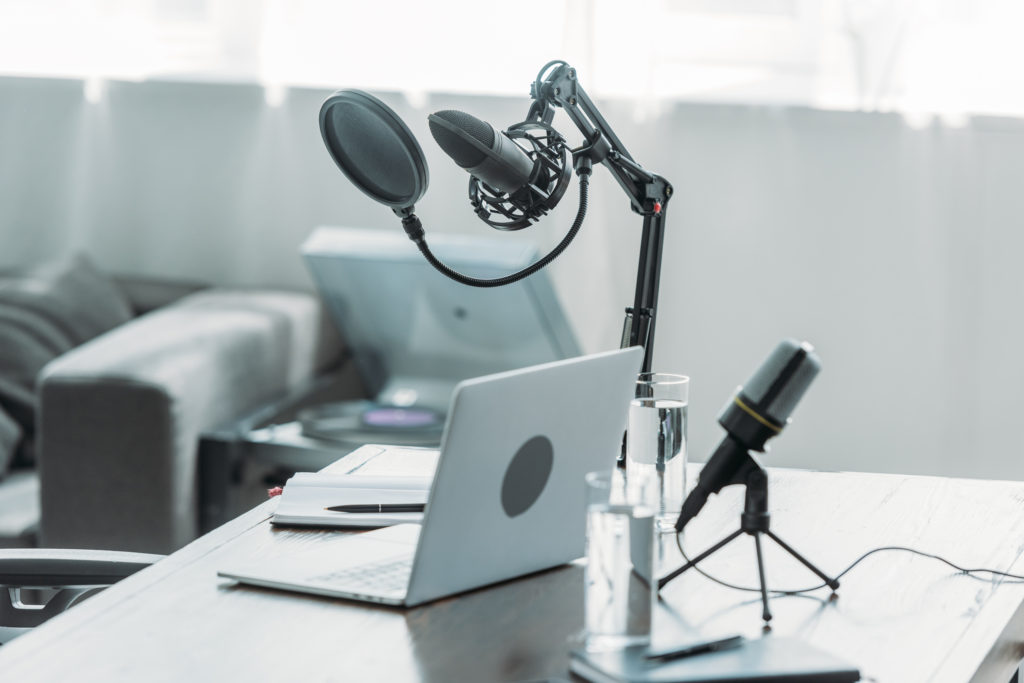
Effective management of guests and sponsors is crucial for a successful podcast. A well-organized approach to scheduling, communication, and handling potential issues ensures a smooth recording process and positive relationships with collaborators. This section details strategies for these vital aspects of podcast production.Podcast guests bring valuable perspectives and expertise, enriching the listening experience. Sponsors, in turn, provide financial support and often have a vested interest in promoting their services or products.
Therefore, careful management of both is essential for a thriving podcast.
Guest Scheduling and Communication Template
Establishing a consistent template for scheduling and communicating with guests streamlines the process. This template should include essential details like guest introduction, preferred recording time, and any specific requirements or equipment needs. Pre-recording communication is key to ensuring a productive and enjoyable experience for both the guest and the podcast host. Examples include clear confirmation emails, recording guidelines, and anticipated questions.
Handling Guest Questions and Concerns
Anticipating and addressing potential guest concerns during the recording process is critical. Having a prepared script or talking points can guide the conversation and address any questions or issues in a professional manner. Encouraging open communication channels and proactive responses to guest queries are important steps in this process. A supportive and understanding approach can foster a positive and productive guest experience.
Sponsor Agreements and Contracts
Clear agreements and contracts with sponsors are fundamental to the podcast’s financial sustainability and legal compliance. These agreements should Artikel the scope of the sponsorship, including the specific content deliverables and any potential restrictions. A well-defined contract protects both parties and ensures that the sponsorship aligns with the podcast’s overall brand and values. Examples of crucial contract elements include payment terms, deliverables, and exclusivity clauses.
Incorporating Sponsors into Podcast Content
Integrating sponsors into podcast content naturally and engagingly requires careful consideration. Avoid overly promotional language or forced mentions. Instead, focus on showcasing how the sponsor’s products or services directly benefit the listeners. For example, a sponsor of a fitness podcast could be featured in a segment about workout equipment or a specific fitness challenge, aligning with the content’s theme.
This approach fosters genuine value for the audience and enhances the sponsor’s brand image.
Podcast Production Roles and Responsibilities
A clear definition of roles and responsibilities within the podcast production process is crucial for effective teamwork. This ensures that tasks are allocated efficiently and that everyone understands their contribution to the overall success of the podcast.
| Role | Primary Responsibilities |
|---|---|
| Host | Leading discussions, managing conversations, and ensuring a smooth flow of content. |
| Guest Coordinator | Scheduling guests, managing communication, and preparing guests for recordings. |
| Sound Engineer | Recording, mixing, and editing audio. |
| Editor | Preparing final podcast episodes for distribution. |
| Marketing/Social Media Manager | Promoting podcast episodes and engaging with listeners on social media. |
Maintaining Consistency and Growth
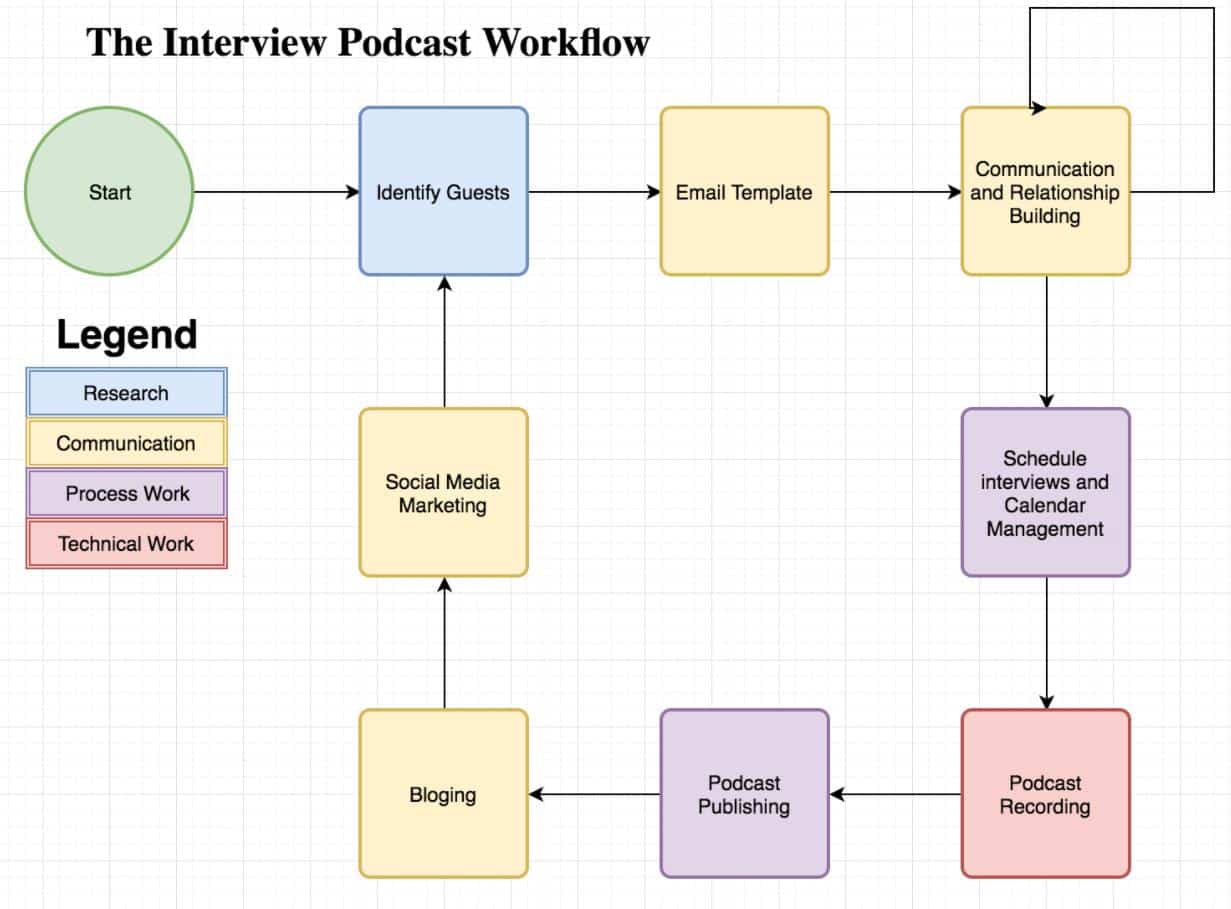
Sustaining a successful podcast requires a proactive approach to monitoring performance, adapting to trends, and consistently improving the listening experience. This involves more than just creating compelling content; it’s about fostering a loyal audience and ensuring long-term growth. Regular evaluation and adaptation are crucial to achieving this goal.
Key Metrics for Measuring Podcast Performance
Effective podcast management relies on understanding audience engagement. Tracking key metrics provides valuable insights into listener behavior and overall podcast health. This enables informed decisions about content, format, and distribution strategies.
- Downloads: The number of times your podcast is downloaded reflects its initial appeal and reach. A consistent upward trend indicates a growing audience. However, download numbers alone don’t tell the whole story, and should be considered alongside other metrics.
- Listener Engagement: Metrics like listening time per episode, listener retention (return visits), and repeat listens provide a clearer picture of listener engagement. High engagement rates demonstrate a connection with your content and indicate listener satisfaction.
- Social Media Interactions: Monitoring social media engagement—likes, shares, comments, and mentions—reveals how listeners are interacting with your podcast outside of the platform. This engagement often reflects the overall quality and relevance of your podcast’s content.
- Website Traffic: Analyzing website traffic from podcast-related links reveals listener interest in associated content. High traffic suggests listeners are actively exploring additional resources, demonstrating engagement and interest.
Strategies for Maintaining a Consistent Production Workflow
Consistency in podcast production is essential for maintaining listener loyalty. A structured workflow ensures high-quality episodes are delivered on a predictable schedule, fostering trust and anticipation.
- Establish a Clear Schedule: A predefined recording and editing schedule helps maintain regularity. This schedule should account for guest availability and other potential delays.
- Develop Standardized Procedures: Detailed scripts, recording guidelines, and editing protocols ensure consistent quality across episodes. This reduces variability and improves efficiency.
- Utilize Production Tools: Leverage podcast editing software, audio recording equipment, and other tools to streamline the process and maintain a high level of production value. Proper equipment ensures clear audio quality, crucial for a professional listening experience.
- Create a Dedicated Workspace: A dedicated workspace helps maintain focus and efficiency, contributing to consistent output. A designated area minimizes distractions and ensures optimal conditions for podcast production.
Adapting to Changes in Podcast Trends and Listener Preferences
The podcasting landscape is constantly evolving. Staying relevant requires adapting to emerging trends and listener preferences. This proactive approach ensures sustained listener engagement and growth.
- Analyze Competitor Podcasts: Regularly analyzing competitor podcasts offers insights into emerging trends, content formats, and listener preferences. Identifying popular trends in the market can inform future podcast strategies.
- Track Industry Trends: Monitoring industry news and updates on podcasting trends provides valuable insight into emerging formats, topics, and listener preferences. This allows for proactive adaptation to remain competitive.
- Seek Listener Feedback: Regularly seeking feedback from listeners through surveys, social media interactions, and direct communication provides insight into what they value and what could be improved. Gathering direct feedback helps adapt to listener needs.
Continuously Improving Podcast Production Quality
Ongoing refinement of podcast production quality is crucial for a positive listener experience. Regular evaluation and improvement ensures the podcast remains competitive and engaging.
- Regular Quality Checks: Implementing regular quality checks during the production process helps identify and address issues early. This proactive approach minimizes errors and ensures high-quality audio and editing.
- Seek Expert Feedback: Seeking feedback from audio professionals and podcasting experts can provide valuable insights into improving production quality. Expert input can offer valuable insights and refine the production process.
- Use Feedback for Improvement: Actively incorporating listener feedback into future episodes demonstrates value for the audience. This allows for adjustments based on actual listener experiences.
Analyzing Listener Feedback
Gathering and analyzing listener feedback is crucial for adapting to evolving needs and improving the podcast. This provides valuable insights for future episodes.
- Gather Feedback Through Various Channels: Employ multiple channels for gathering feedback, including social media, email surveys, and listener comments. Using multiple channels allows for a more comprehensive understanding of listener perspectives.
- Categorize and Analyze Feedback: Categorizing and analyzing feedback helps identify recurring themes, positive aspects, and areas needing improvement. This analysis helps identify patterns and trends in listener feedback.
- Incorporate Feedback into Future Episodes: Use the insights gained from feedback to improve future episodes. Incorporating feedback can involve adjusting content, format, or guest selections to better suit listener preferences.
Closing Notes
In conclusion, successful podcast production is a continuous journey of refinement and adaptation. By diligently following the strategies Artikeld in this guide, podcasters can establish a robust and efficient workflow. Remember to prioritize clear communication, meticulous planning, and a commitment to consistent improvement to create a captivating listening experience for your audience. Ultimately, mastering your podcast production workflow empowers you to focus on your content and connect meaningfully with your listeners.