Podcast editing is crucial for delivering high-quality audio content. Outsourcing this task can be a smart move, freeing up your time and resources to focus on other aspects of your podcast. This guide will walk you through every step, from understanding your editing needs to managing the process and ensuring quality control. We’ll explore various platforms, freelancers, and agencies, comparing their strengths and weaknesses to help you choose the right partner.
From detailed explanations of common editing tasks to practical tips for managing your budget and achieving a successful outcome, this comprehensive guide offers a clear roadmap for outsourcing your podcast editing. We will cover everything from evaluating potential editors to establishing clear communication channels, allowing you to confidently and effectively delegate this crucial aspect of your podcast production.
Understanding Podcast Editing Needs
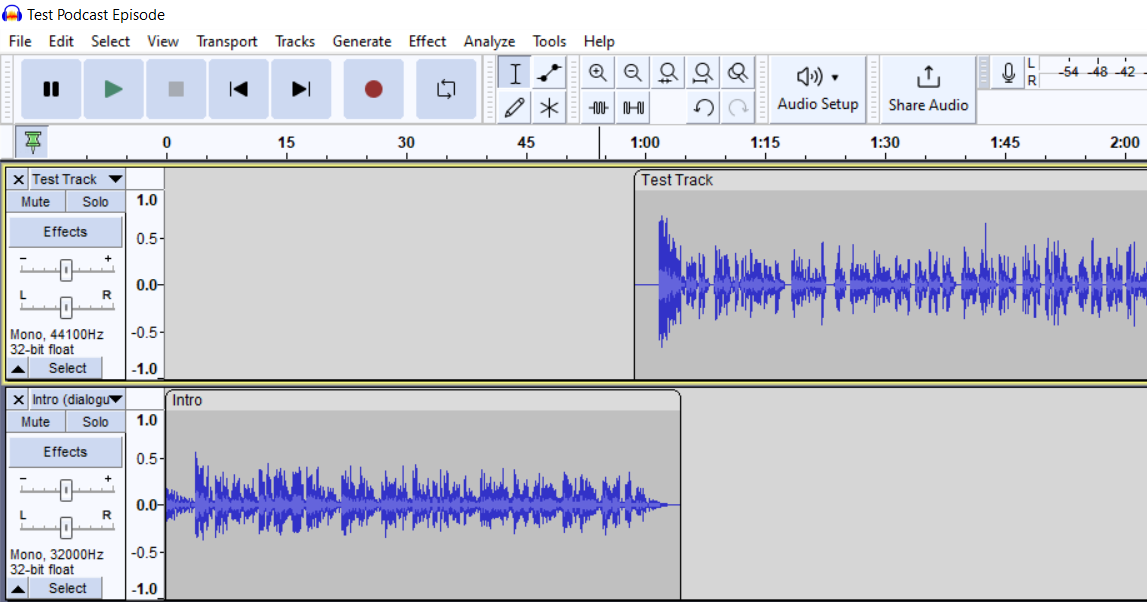
Podcast editing is a crucial step in the production process, significantly impacting the overall listening experience. Effective editing ensures a polished, engaging, and professional final product. It goes beyond simply removing mistakes; it involves shaping the audio to enhance clarity, flow, and impact.Understanding the specific editing needs of a podcast is paramount for choosing the right outsourcing partner.
This includes knowing the different types of editing tasks involved and the level of expertise required depending on the podcast’s genre and style. Different podcast types demand varying editing skills, and a thorough understanding of these needs is key to a successful outcome.
Common Podcast Editing Tasks
Podcast editing encompasses a wide array of tasks. These range from basic audio cleanup to more complex sound design and music integration. Efficiently addressing these tasks directly impacts the quality and impact of the podcast.
- Audio Cleanup: This involves removing background noise, unwanted clicks, pops, and other distractions from the audio recording. A clean audio track provides a professional and enjoyable listening experience.
- Sound Design: This process often involves the addition of sound effects, music cues, and transitions. Sound design is critical in podcasts seeking to evoke specific moods or enhance storytelling.
- Music Integration: Integrating background music, sound effects, and other audio elements to complement the content. Carefully selected music and sound effects can greatly enhance the podcast’s overall impact.
- Dialogue Editing: This involves adjusting the volume and clarity of different speakers, ensuring smooth transitions between speakers, and removing unnecessary pauses or overlaps in speech.
- Podcast Transcription: Creating a written record of the podcast content. This is essential for search engine optimization (), accessibility purposes, and content repurposing.
Podcast Editing Expertise Levels
The level of editing expertise required for a podcast depends significantly on its specific genre and style. A news podcast, for instance, demands a different approach compared to a comedy podcast.
- Basic Editing: This level focuses on fundamental tasks like removing background noise, adjusting audio levels, and basic sound effects. This is often sufficient for personal or hobbyist podcasts.
- Intermediate Editing: This level involves more complex audio adjustments, sound design elements, and the integration of music. This type of editing is well-suited for podcasts with a moderate production budget.
- Advanced Editing: This level requires significant expertise in audio mixing, mastering, and sophisticated sound design techniques. This is necessary for podcasts with high production values and demanding audio requirements.
Comparison of Editing Needs: News Podcast vs. Comedy Podcast
The following table highlights the contrasting editing needs between a news podcast and a comedy podcast:
| Feature | News Podcast | Comedy Podcast |
|---|---|---|
| Primary Focus | Accuracy, clarity, and objectivity | Humor, entertainment, and creative expression |
| Audio Quality | High importance on clarity of speech and background noise reduction | May incorporate unique sound effects and editing for comedic impact |
| Sound Design | Minimal sound design, focusing on clarity | Extensive use of sound effects, music, and creative editing for comedic effect |
| Music Integration | Limited use of music, primarily for transitions or background ambience | Frequent use of music to enhance humor or create specific atmosphere |
| Editing Expertise | Focus on factual accuracy, clear speech, and professional presentation | Focus on comedic timing, creative sound design, and unique style |
Identifying Outsourcing Options
Outsourcing your podcast editing can significantly improve the quality and consistency of your production. A crucial step in this process is identifying the right platform or service to meet your specific needs. This section explores various options, from online platforms to freelance marketplaces, helping you choose the best fit for your podcast.Understanding the available outsourcing platforms and services is key to finding the right partner for your podcast.
Different platforms cater to diverse needs and budgets, offering varying levels of support and control. Evaluating these options allows you to select a service that aligns with your podcast’s goals and resources.
Available Platforms and Services
Several platforms and services facilitate podcast editing outsourcing. These platforms often connect podcasters with freelance editors, providing a streamlined workflow and a variety of editing packages. Many offer specialized features like audio restoration and sound design, making them attractive for podcasts requiring specific enhancements.
- Online platforms specializing in podcast editing provide a centralized marketplace for finding editors. These platforms typically offer various packages, from basic audio editing to advanced sound design. Some platforms also provide tools for managing projects and communication with the editor, facilitating a more efficient workflow.
- Freelance marketplaces, such as Upwork or Fiverr, are valuable resources for finding individual podcast editors. This option allows for direct interaction with the editor, providing greater control over the editing process. However, it often requires more effort in finding and vetting suitable candidates.
- Dedicated podcast production agencies offer comprehensive editing services, potentially including additional production elements such as music and sound effects. These agencies often have a team of editors, allowing for large-scale projects and specialized needs. Their expertise may be a significant advantage, especially for podcasts requiring complex audio manipulation or a consistent aesthetic.
Potential Freelancers and Agencies
Finding reputable freelancers or agencies is essential for successful outsourcing. Researching portfolios and reviews of potential partners can provide valuable insights into their experience and expertise. Checking past projects and client feedback can help you evaluate their quality of work.
- Many freelance editors advertise their services on platforms like Upwork, Fiverr, and specialized podcast editing websites. These profiles often include samples of their work and client testimonials, enabling informed decisions.
- Agencies specializing in podcast production often have dedicated teams specializing in editing. Their experience in handling multiple projects and their familiarity with different podcasting styles can lead to more consistent results.
Comparing Outsourcing Platforms
Evaluating different platforms requires a careful assessment of their strengths and weaknesses. Factors such as pricing models, service offerings, and customer support should be considered. The level of control and communication provided by each platform plays a significant role in the editing process.
| Platform/Service | Pricing Model | Services Offered | Pros | Cons |
|---|---|---|---|---|
| Platform A | Per-minute/hour rate | Basic editing, audio cleanup, sound design | Transparent pricing, flexibility | Limited customer support, less control |
| Platform B | Project-based pricing | Advanced editing, mixing, mastering, sound effects | Fixed cost, more comprehensive service | Less flexibility, potentially higher cost |
| Freelancer X | Hourly rate, project-based | Customizable packages | Direct communication, personalized service | Potential inconsistencies, quality control |
| Agency Y | Project-based, packages | Full podcast production, editing, and mixing | Expertise, consistent quality | Higher cost, less direct control |
Choosing the Right Editor
Selecting the ideal podcast editor is crucial for the success of your audio project. A skilled editor can polish your content, ensuring a professional and engaging listening experience for your audience. This section will guide you through evaluating potential editors and choosing the best fit for your podcast’s unique needs.Careful evaluation of potential podcast editors is paramount to achieving the desired audio quality and consistency.
This process involves assessing their skills, experience, and understanding of your specific podcast requirements. A well-chosen editor can significantly enhance your podcast’s production value and contribute to its overall success.
Evaluating Skills and Experience
Thorough evaluation of potential editors requires careful consideration of their technical skills and prior experience. Assessing their experience with various editing software and their ability to handle different audio formats is essential. Looking for demonstrable experience in podcast editing is key.
- Technical Proficiency: Assess the editor’s proficiency in audio editing software like Audacity, Adobe Audition, GarageBand, or similar. Look for examples of their work, such as sample edits or portfolios, to gauge their technical expertise. Consider asking for specific details on their editing techniques and tools used.
- Experience with Podcast Editing: A podcast editor with experience in the nuances of podcast production is invaluable. Inquire about their experience editing podcasts of similar genre or length to yours. Consider their experience with various podcast formats, including interviews, storytelling, and discussions.
- Understanding of Audio Quality: An editor should have a deep understanding of audio quality and how to maintain it during the editing process. A crucial aspect is to understand how they approach issues like noise reduction, equalization, and sound mixing to maintain high quality.
Identifying Criteria for Selection
Specific criteria for selecting a podcast editor should align with your podcast’s unique requirements. Consider factors such as the podcast’s style, length, and frequency of episodes. This section details essential factors to consider during the selection process.
- Podcast Style and Format: The podcast’s style (e.g., interview, news, storytelling) and format (e.g., length of episodes, frequency) dictate the editing needs. An editor adept at handling the specific format of your podcast is essential. For instance, an interview-style podcast will require different skills compared to a news podcast.
- Budget and Timeline: Budget constraints and production timelines are crucial considerations. A suitable editor must be able to deliver high-quality work within your allocated budget and timeline. Inquire about their rates and typical turnaround times for editing.
- Communication Style: Clear and efficient communication is paramount in outsourcing. Ensure the editor is responsive to your feedback and questions, and provides regular updates on the progress of the editing project.
Importance of Communication and Feedback
Effective communication and feedback are vital components of the outsourcing process. Regular communication helps ensure the editor understands your vision and delivers the desired outcome. Feedback mechanisms are necessary to maintain control and direction of the editing process.
- Establish Clear Communication Channels: Establish clear and consistent communication channels (e.g., email, messaging apps) with the editor to discuss any changes, feedback, or concerns.
- Provide Constructive Feedback: Offer constructive feedback regularly to guide the editor and ensure the final product meets your expectations.
- Provide Clear Instructions: Provide clear and detailed instructions for each episode to ensure consistency and clarity.
Summary Table
| Criteria | Description | Importance |
|---|---|---|
| Podcast Style & Format | Alignment of editor’s expertise with podcast type and length. | Ensures the editor understands the nuances of your podcast. |
| Technical Proficiency | Editor’s skills in audio editing software and techniques. | Determines the quality and efficiency of the editing process. |
| Experience | Editor’s prior experience in podcast editing. | Demonstrates proficiency in podcast-specific tasks. |
| Budget & Timeline | Editor’s rates and turnaround time. | Ensures cost-effectiveness and timely completion. |
| Communication | Frequency and quality of communication with editor. | Facilitates clarity and collaboration throughout the project. |
Setting Up the Outsourcing Process
Successfully outsourcing your podcast editing requires a well-defined process. This involves meticulous planning, clear communication, and a structured approach to ensure a smooth workflow and high-quality results. A strong foundation in these areas will contribute significantly to a positive experience for both you and your editor.
Defining Project Scope and Deliverables
Clearly outlining the project scope and deliverables is paramount to a successful outsourcing experience. This ensures that everyone involved understands the expectations and responsibilities. A well-defined scope prevents misunderstandings and potential disputes later on. It also helps manage expectations and maintain a clear path towards completion.
- Project Scope: Clearly define the tasks involved, including the specific editing styles, desired audio quality, and any specific formatting requirements. For example, if you require specific music transitions or sound effects, mention these details.
- Deliverables: Detail the expected outputs, such as the final edited podcast file, the transcriptions, and any supplementary materials. Be precise with file formats (e.g., MP3, WAV) and expected file names.
- Timeline: Establish a realistic timeline for each stage of the editing process, including deadlines for deliverables. This helps ensure the project stays on track.
Establishing Clear Communication Channels
Effective communication is critical to the success of any outsourcing project. A well-defined communication strategy ensures that everyone is on the same page, minimizing potential misunderstandings and enabling timely issue resolution.
- Communication Channels: Choose a platform or method for communication (e.g., email, project management software) and clearly Artikel the preferred methods and response times. This ensures consistency and prevents delays.
- Regular Check-ins: Schedule regular check-ins with the editor to monitor progress, address any concerns, and provide feedback. This fosters a collaborative environment and ensures the project remains on track.
- Feedback Mechanisms: Establish a clear process for providing feedback to the editor. This may include specific guidelines for feedback and a schedule for providing it.
Project Timeline and Stages
A well-structured timeline clarifies expectations and ensures that the project progresses smoothly.
| Stage | Description | Key Deliverables |
|---|---|---|
| Pre-Production | Defining project scope, selecting editor, establishing communication channels, and confirming payment terms. | Agreement on project scope, editor selection, finalized budget, and agreed-upon communication protocols. |
| Production | The editor completes the editing tasks, including audio cleaning, music/sound effects integration, and any necessary formatting. | Intermediate edits for review, final edited podcast file, transcriptions (if applicable). |
| Post-Production | Final review, approval, and delivery of the final product. This stage includes ensuring the quality meets expectations and finalizing payment. | Final edited podcast file, feedback, and payment processing. |
Managing the Editing Process

Effective podcast editing outsourcing hinges on clear communication and a well-defined process. Proper management of the editing process ensures a smooth workflow, minimizing delays and maximizing the quality of the final product. This involves establishing clear expectations, providing constructive feedback, and consistently tracking progress to meet deadlines. Maintaining open communication channels is paramount to a successful outsourcing experience.
Effective Communication with the Editor
Maintaining consistent and constructive communication with your podcast editor is crucial for a positive and productive outsourcing experience. This involves proactively addressing any questions or concerns they may have and providing clear, concise instructions. Open communication fosters a collaborative environment, allowing for quick resolution of issues and efficient feedback loops. Scheduling regular check-ins, perhaps weekly or bi-weekly, can facilitate smoother collaboration and prevent misunderstandings.
Providing Feedback and Revisions
Providing feedback to your podcast editor is a vital aspect of the editing process. A clear and detailed feedback mechanism helps the editor understand your vision and ensures that the final product aligns with your expectations. Feedback should be constructive, focusing on specific areas for improvement rather than general criticisms. Providing examples of desired outcomes alongside the feedback will greatly aid the editor in understanding the changes needed.
When requesting revisions, be as specific as possible, referencing timestamps or specific sections of the audio file.
Tracking Progress and Deadlines
Tracking progress and adhering to deadlines are critical for maintaining the momentum of the editing process. A project management tool, either a dedicated software or a simple spreadsheet, can effectively track milestones, deadlines, and completed tasks. Setting realistic deadlines that align with the scope of the project and the editor’s capacity is essential. Regular communication about progress updates allows for proactive problem-solving and helps manage expectations.
Summary of Communication Methods
| Communication Method | Description | Pros | Cons |
|---|---|---|---|
| A traditional method for sending detailed instructions, feedback, and updates. | Provides a written record of communication. | Can be less immediate than other methods. | |
| Project Management Software (e.g., Trello, Asana) | Allows for task assignment, progress tracking, and file sharing. | Offers a centralized platform for managing tasks and deadlines. | Requires initial setup and learning curve. |
| Video Conferencing (e.g., Zoom, Google Meet) | Facilitates real-time discussions, clarifying instructions, and providing feedback. | Allows for immediate clarification and feedback. | May not be suitable for all feedback types or detailed instructions. |
| Instant Messaging (e.g., Slack, WhatsApp) | Ideal for quick questions, updates, and troubleshooting. | Facilitates quick responses and immediate communication. | May not be suitable for detailed feedback or instructions. |
Ensuring Quality Control

A crucial aspect of outsourcing podcast editing is establishing robust quality control measures. This ensures the final product meets your expectations and maintains the desired brand voice and consistency. Effective quality control minimizes revisions and rework, saving both time and money.Maintaining consistent audio quality and adhering to the podcast’s style guide are paramount. This involves clearly outlining the desired tone, tempo, and editing style for the outsourced editor.
The more information you provide, the better the editor can understand your expectations.
Quality Control Measures During Editing
Clear communication and well-defined guidelines are essential for maintaining consistent quality. This includes providing the editor with detailed style guides, examples of past episodes, and any specific brand requirements.
- Reviewing Editing Samples: Regularly checking progress through sample edits allows for timely identification and correction of issues. This enables the editor to stay on track with the desired style and prevents significant revisions later.
- Establishing Clear Communication Channels: Utilizing a dedicated communication channel, such as email or a project management tool, ensures quick responses to queries and feedback. This fosters a smooth and efficient workflow.
- Setting Specific Deadlines: Defining specific deadlines for each editing stage ensures timely completion and reduces delays. A well-structured timeline helps manage the process effectively.
- Detailed Style Guides: Providing comprehensive style guides, including specific guidelines on transitions, sound effects, music use, and voice-over quality, ensures uniformity across all episodes.
- Providing Examples of Previous Episodes: Sharing examples of previously edited episodes serves as a tangible guide for the editor. This aids in understanding the podcast’s voice and tone, which is particularly helpful when initiating a new project with a new editor.
Identifying and Addressing Potential Issues
Proactive identification of potential problems is key to preventing costly revisions.
- Listening for Errors: Regularly listening for errors in audio quality, such as pops, clicks, or background noise, is essential. The editor should be instructed to flag these issues during the editing process for immediate attention.
- Reviewing Timing and Transitions: Checking for smooth transitions between segments and ensuring accurate timing is crucial. This guarantees a seamless listening experience.
- Ensuring Consistency in Editing Style: Regularly monitoring the editor’s adherence to the podcast’s editing style guide and tone helps maintain brand consistency.
- Seeking Clarification on Edits: If any ambiguity arises during the editing process, promptly seeking clarification ensures the editor understands the desired outcome and maintains the consistent podcast quality.
Final Review and Approval Steps
A thorough final review is essential for ensuring the final product meets the highest standards.
- Final Audio Quality Check: Before final approval, a final review of the audio quality for clarity, volume, and consistency across the entire episode is vital.
- Confirmation of Adherence to Style Guide: The final review must verify the adherence to the established style guide for elements like music, sound effects, and transitions.
- Reviewing the Script: A meticulous review of the script, ensuring accuracy and adherence to the original content, is crucial. This step also confirms the overall narrative flow.
Importance of Using Different Audio Files and Formats
Using different audio files and formats can aid in the editing process and prevent errors.
- Separate Audio Files for Music and Sound Effects: Separating audio files for music and sound effects allows for easier management and manipulation during editing.
- Using Appropriate File Formats: Employing appropriate audio formats, like WAV or MP3, enhances the quality and reduces potential compatibility issues.
Podcast Editing Workflow Chart
The following chart illustrates the workflow for podcast editing, highlighting key quality control checkpoints.
| Step | Action | Quality Control Checkpoints |
|---|---|---|
| 1. Initial Upload | Upload raw audio files | File format compatibility, audio quality |
| 2. Initial Editing | Basic editing, removing pauses, cleaning audio | Audio quality checks, consistency with style guide |
| 3. Editing Revisions | Addressing feedback, making changes | Adherence to style guide, clarity of transitions |
| 4. Review and Approval | Final check, feedback, final approval | Audio quality, consistency, style guide compliance |
Budgeting and Cost Management
Successfully outsourcing podcast editing requires careful budgeting and cost management. A well-defined budget helps ensure the project stays on track and within your financial expectations. Understanding the various costs associated with outsourcing, from editor fees to potential hidden expenses, is crucial for informed decision-making. Effective strategies for managing your budget and controlling costs are essential to avoid unexpected financial burdens and maintain a healthy financial outlook.Careful estimation of costs is vital to avoid overspending and ensure the project’s long-term financial viability.
A comprehensive understanding of the associated expenses, including potential hidden costs, is key to developing a robust budget that reflects the project’s complexity and scope. This, in turn, allows for realistic expectations and informed decision-making regarding the project’s budget.
Estimating Outsourcing Editing Costs
Estimating the cost of podcast editing outsourcing involves considering various factors. Project scope, the desired turnaround time, and the level of editing complexity all influence the final price. A thorough understanding of the required editing tasks, such as audio cleaning, sound design, and music integration, directly impacts the budget. Experienced podcast editors, specializing in specific niches, often command higher rates.
Breakdown of Costs Associated with Outsourcing
Various costs contribute to the overall cost of outsourcing podcast editing. These costs include the editor’s hourly rate, project management fees (if applicable), software licenses, and potential additional costs for specialized tools. Consider the complexity of the editing process, which might necessitate additional time or resources. The length of the podcast, the number of episodes, and the level of editing required (e.g., basic cleaning vs.
comprehensive sound design) will significantly affect the total cost.
Strategies for Managing Podcast Editing Budgets
Effective budget management strategies are crucial for successful outsourcing. Developing a detailed budget that Artikels all expected expenses is a primary step. Negotiating with potential editors for favorable rates, especially for long-term collaborations, can be advantageous. Establishing clear expectations regarding project timelines and scope with the editor will minimize unexpected costs. Exploring different pricing models, as detailed in the following section, is also a helpful approach.
Potential Hidden Costs
Hidden costs associated with podcast editing outsourcing can arise unexpectedly. Unexpected technical issues or delays in the editing process can impact the project timeline, leading to increased costs. Additional revisions or adjustments requested by the client during the editing process may extend the project and increase the overall cost. Also, the cost of providing detailed instructions or specific requirements to the editor can contribute to additional expenses.
Pricing Models for Podcast Editing
| Pricing Model | Description | Pricing Range (Example) | Project Complexity |
|---|---|---|---|
| Hourly Rate | Editors charge per hour of work. | $25-$150+ per hour | Basic editing, single episode |
| Project-Based Rate | Fixed price for the entire project. | $500-$5000+ per project | Multi-episode series, complex edits |
| Tiered Pricing | Different price tiers based on project scope. | $750-$2500+ per episode | Multiple episodes with varying levels of editing required |
The table above illustrates the diverse pricing models for podcast editing, reflecting the varying degrees of complexity in podcast projects. The pricing ranges are approximate and can vary significantly depending on the editor’s experience, location, and the project’s specific requirements.
Illustrative Examples of Successful Outsourcing
Podcast editing outsourcing can be a powerful tool for enhancing the quality and reach of a podcast. Successful implementations often hinge on careful planning, clear communication, and a strong understanding of the editor’s role. By learning from successful examples, podcasters can refine their approach and maximize the benefits of outsourcing.
Successful Outsourcing Experiences
Several factors contribute to the success of podcast editing outsourcing. These include a clearly defined brief for the editor, effective communication channels, and a willingness to adapt to feedback during the process. The ability to articulate the desired sound and style of the podcast is crucial.
Key Factors Contributing to Success
Effective communication is paramount in any outsourcing relationship. A detailed brief, outlining the podcast’s style, target audience, and specific editing requirements, sets a clear framework for the editor. Regular communication, including progress updates and feedback sessions, helps maintain a smooth workflow and ensures alignment with the podcast’s vision. Building a rapport with the editor allows for more nuanced and effective feedback, ultimately leading to a more satisfying outcome.
Flexibility and a willingness to adjust expectations based on the editor’s insights also play a significant role in achieving positive results.
Benefits of Successful Outsourcing
Outsourcing podcast editing frees up valuable time and resources for podcast hosts. This allows them to focus on other crucial aspects of podcast production, such as content creation, marketing, and audience engagement. Furthermore, access to specialized editing skills and tools that may not be readily available in-house can significantly elevate the quality of the final product. This leads to a higher production value, which can attract a wider audience and improve overall podcast performance.
Ultimately, successful outsourcing leads to a more polished and professional podcast, benefiting both the host and listeners.
Communication and Collaboration
Clear communication channels are essential for successful collaboration. Regular check-ins, detailed feedback loops, and readily accessible communication platforms are vital. The use of project management tools can further streamline the process, ensuring that both parties are on the same page throughout the editing process. The establishment of clear expectations regarding timelines, deliverables, and communication frequency ensures a productive partnership.
Regular feedback sessions allow the host to offer specific instructions and receive insights from the editor, leading to a refined final product.
Illustrative Example: Project “Tech Trends Today”
“Tech Trends Today” is a weekly podcast discussing emerging technologies. The podcast host, initially struggling with audio quality and time constraints, decided to outsource the editing. The editor, specializing in podcast production, was provided with a detailed brief that included examples of existing podcasts, desired sound effects, and a target tone.
Audio Before Editing
The initial audio recordings were characterized by significant background noise, uneven audio levels, and occasional interruptions. The transition between segments was abrupt and lacked a professional touch. The audio quality was inconsistent and sometimes distorted, impacting the overall listening experience.
Editing Process
The editor implemented several enhancements, including noise reduction, audio leveling, and the addition of seamless transitions. They refined the pacing and timing of each segment to improve flow and create a more engaging listening experience.
Audio After Editing
The post-editing audio exhibits significant improvement. Background noise is significantly reduced, resulting in clearer and more distinct speech. The audio levels are consistent, enhancing the listener’s ability to focus on the content. The transitions between segments are smooth and natural, further improving the overall listening experience. The audio quality is consistent and professional throughout the entire episode.
Key Improvements
- Noise Reduction: The editor effectively removed background noise, making the audio clearer and more professional.
- Audio Leveling: The audio levels were adjusted to a consistent volume, ensuring a more pleasant listening experience.
- Transitions: Smooth transitions were added to improve the flow and pacing of the podcast.
Last Word
In conclusion, outsourcing your podcast editing can significantly enhance your production quality and efficiency. This guide has provided a structured approach, equipping you with the knowledge and tools necessary to navigate the process successfully. Remember to clearly define your needs, evaluate potential editors, establish strong communication, and prioritize quality control. By following these steps, you can unlock the benefits of outsourcing while maintaining the high standards of your podcast.