Choosing the right headphones for accurate audio monitoring is crucial for anyone working with audio, from music producers and podcasters to voice actors. This guide provides a comprehensive overview of the factors to consider, from understanding your specific needs to evaluating different headphone types and budget constraints.
The process involves carefully considering various audio characteristics, such as frequency response and isolation, and comparing professional-grade headphones to consumer options. Different monitoring scenarios, like music production or podcasting, demand specific audio characteristics, making informed choices vital for achieving accurate results.
Understanding Audio Monitoring Needs
Accurate audio monitoring is crucial for various audio professionals, from music producers to podcasters and voice actors. Choosing the right headphones is paramount to ensuring the final product accurately reflects the intended sound. This section delves into the diverse needs of different audio monitoring scenarios, highlighting the specific audio characteristics that are important for each application.Choosing headphones for audio monitoring is more than just personal preference; it requires a deep understanding of the specific needs of the task at hand.
Factors like frequency response, clarity, and isolation play a critical role in achieving accurate sound reproduction. Understanding these differences between professional and consumer-grade headphones is essential for making an informed purchase.
Different Audio Monitoring Scenarios
Different audio monitoring scenarios demand different sonic characteristics from the headphones. The listening environment and intended use will greatly influence the crucial features. For instance, a music producer needs different features than a podcast host.
- Music Production: Music production often requires a comprehensive and detailed representation of the sound spectrum. The headphones must accurately reproduce a wide range of frequencies, from deep bass to high treble, for a nuanced listening experience. Precise frequency response is paramount for mixing and mastering. Clarity is essential to identify subtle nuances in the sound. Accurate spatial representation is also important for complex arrangements, and isolation helps minimize external noise.
Professional-grade headphones are crucial for this application.
- Podcasting: Podcasting often involves dialogue and sound effects. Accurate reproduction of speech and other audio elements is key to creating a professional listening experience. Clarity in the mid-range frequencies is critical for listeners to understand what is being said. Isolation is vital to minimize background noise, while a relatively neutral frequency response helps to avoid altering the natural tone of the voices.
While professional headphones offer advantages, consumer-grade headphones can be sufficient for certain podcasting needs.
- Voice Acting: Voice acting necessitates an accurate reproduction of the voice to ensure the performance is effectively communicated to the listener. A natural, undistorted sound reproduction is essential. Accurate mid-range frequencies, along with appropriate clarity and isolation, help the voice actor understand how their voice will sound to the listener. Professional-grade headphones with good isolation help maintain a consistent listening experience and minimize distractions.
Professional vs. Consumer-Grade Headphones
Professional-grade headphones are designed with meticulous attention to detail and specific requirements for accurate audio monitoring. These headphones typically offer a wider frequency response, superior clarity, and superior isolation, resulting in a more accurate and consistent listening experience. Consumer-grade headphones, while functional, may not always meet the rigorous demands of professional audio work.
- Professional-grade headphones prioritize accurate frequency response, detailed clarity, and superior isolation to minimize external noise. They are often more expensive and offer a more nuanced listening experience.
- Consumer-grade headphones are more budget-friendly and generally offer a decent listening experience, but they might lack the detailed accuracy and isolation required for professional monitoring. They may have limitations in frequency response or clarity.
Comparison of Monitoring Scenarios
The following table summarizes the crucial audio aspects to consider for different monitoring scenarios.
| Monitoring Scenario | Frequency Response | Clarity | Isolation | Professional/Consumer Grade |
|---|---|---|---|---|
| Music Production | Wide range, accurate reproduction | High detail, subtle nuances | Excellent to block external noise | Professional |
| Podcasting | Neutral to avoid altering voices | Clear speech reproduction | Good to minimize background noise | Professional/Consumer |
| Voice Acting | Natural, undistorted reproduction | Accurate mid-range clarity | Good to maintain consistent listening | Professional |
Key Features to Evaluate
Selecting headphones for accurate audio monitoring requires careful consideration of various crucial specifications. Understanding these features allows for informed decisions, ensuring the headphones effectively reproduce the nuances of the audio signal. A comprehensive understanding of these aspects will contribute significantly to the overall quality of your audio monitoring experience.
Frequency Response
Frequency response, often expressed in Hertz (Hz), describes the range of frequencies a headphone can accurately reproduce. A wider and flatter frequency response is ideal for monitoring, allowing you to hear all the frequencies present in the audio signal. This encompasses everything from deep bass to crisp highs, facilitating a comprehensive understanding of the audio spectrum. This ensures that the headphones accurately portray the intended sound, without introducing any coloration or distortion.
Inaccurate reproduction of certain frequency ranges can lead to incorrect judgments about the sound’s balance, clarity, and overall quality. For instance, if the headphones poorly reproduce high frequencies, important details and clarity may be lost, impacting the overall quality.
Impedance
Impedance, measured in ohms, represents the headphone’s resistance to electrical current. Higher impedance headphones generally require more power from the audio source, translating to higher volume potential, often with a warmer tone. Lower impedance headphones, on the other hand, might be more sensitive and require less power. The impedance of headphones needs to match the output impedance of the audio source for optimal performance.
Matching impedance ensures a balanced signal transfer, preserving the accuracy and integrity of the audio signal. A mismatch in impedance can lead to diminished sound quality, or even damage to the equipment.
Sound Isolation
Sound isolation describes the headphone’s ability to block external noise. This is crucial for a focused monitoring experience. High sound isolation minimizes unwanted ambient noise, ensuring the audio signal remains clear and undistorted. This feature is particularly important in noisy environments, enabling accurate assessments of the audio without distractions. Sound isolation is measured in decibels (dB).
For example, headphones with higher sound isolation ratings are more effective in minimizing distracting noises, such as traffic or office chatter.
Headphone Types (Closed-Back vs. Open-Back)
- Closed-Back Headphones: These headphones are sealed, minimizing sound leakage. This enhances sound isolation, making them ideal for monitoring in environments with distractions. They are commonly preferred by musicians for on-the-spot monitoring, as the isolation allows for a concentrated focus on the audio signal, avoiding external noise influence.
- Open-Back Headphones: These headphones allow sound to escape, providing a more natural and spacious soundstage. This is beneficial for mixing and mastering tasks, as it allows for a more holistic understanding of the audio, mimicking how the sound will be perceived in different environments. While these provide a more immersive experience, they are less effective at isolating external noise. Their wider frequency response can enhance soundstage and detail, which is helpful in evaluating spatial audio.
Ideal Specifications Table
| Monitoring Need | Frequency Response (Hz) | Impedance (Ohms) | Sound Isolation (dB) | Headphone Type |
|---|---|---|---|---|
| Basic Monitoring | 20-20,000 Hz | 32-50 ohms | 10-20 dB | Closed-back |
| Professional Mixing | 20-20,000 Hz | 50-150 ohms | 20-30 dB | Closed-back/Open-back |
| Mastering | 20-20,000 Hz | 100-150 ohms | 20-30 dB | Open-back |
Note: The table provides general guidelines. Specific needs may necessitate adjustments based on the user’s preferences and environmental factors.
Types of Headphones for Monitoring
Selecting the right headphones is crucial for accurate audio monitoring. Different headphone types cater to diverse needs, from precise sound reproduction in a recording studio to comfortable listening during mixing sessions. Understanding the nuances of each type is essential to optimize the listening experience and ensure a reliable evaluation of audio quality.
Studio Headphones
Studio headphones are designed for precise sound reproduction, often prioritizing accuracy over comfort. Their primary purpose is to provide a faithful representation of the audio source, minimizing coloration or distortion. These headphones are frequently used during recording and mixing stages, where subtle nuances and tonal balances are critical.
- Pros: Generally offer a neutral sound signature, allowing for accurate comparisons between tracks and instruments. They excel in isolating sounds, reducing unwanted external noise. Many feature high-quality drivers for exceptional clarity and detail.
- Cons: Comfort can be a significant concern, especially for extended monitoring sessions. The design often prioritizes accuracy over comfort, potentially leading to fatigue. Price points can vary greatly, ranging from mid-range to high-end, depending on the brand and specifications.
In-Ear Monitors (IEMs)
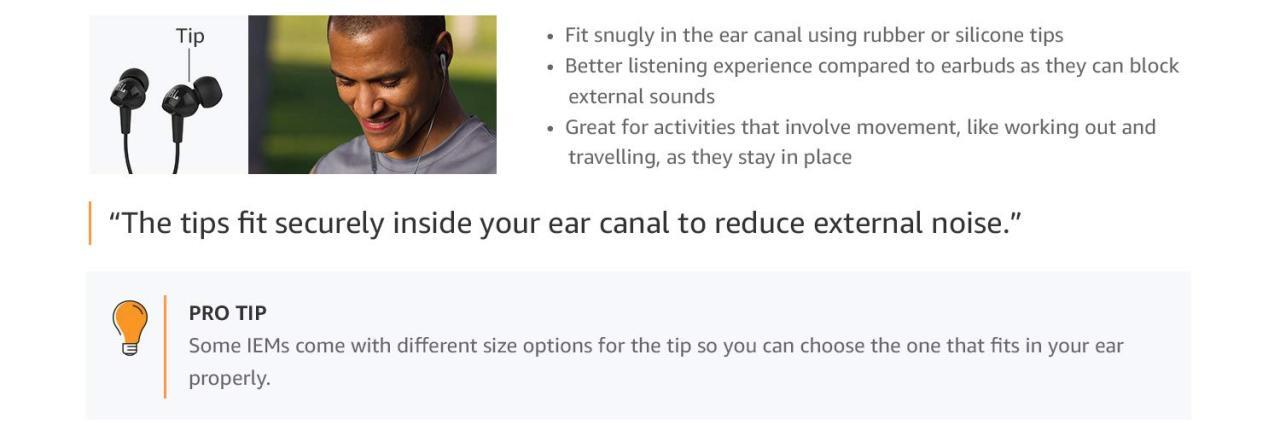
In-Ear Monitors are customized sound-isolating earphones. They provide exceptional sound quality and are popular for their comfort, even during extended use. IEMs often feature a high-fidelity sound stage, enhancing clarity and detail, especially in the mid-range frequencies.
- Pros: Exceptional isolation from external noise, crucial for studio settings and live performance. Typically provide excellent sound quality and detail, making them ideal for precise mixing and mastering. Customization options for the ear tips allow for optimal fit and comfort.
- Cons: The cost of custom-fitted IEMs can be significant. The design, while comfortable for some, may not suit all users. Finding the right fit can take time and experimentation. The high-fidelity nature can sometimes lead to fatigue for some listeners, especially with complex mixes.
Open-Back Headphones
Open-back headphones offer a more natural soundstage, allowing for a wider listening experience. They are well-suited for monitoring mixes in a natural environment, but their openness makes them less effective at isolating sound.
- Pros: Provide a spacious and natural soundstage, allowing for a more comprehensive listening experience. The open design promotes airflow, reducing the potential for ear fatigue during extended monitoring sessions. Often provide a warmer and more detailed sound signature.
- Cons: Lack of sound isolation can be a drawback, especially in noisy environments. External noise can interfere with accurate monitoring. Sound leakage can affect others in the room.
Closed-Back Headphones
Closed-back headphones are designed for excellent sound isolation, ideal for monitoring in noisy environments or preventing sound leakage. Their primary function is to provide a controlled listening environment.
- Pros: Excellent isolation from external noise, perfect for home studios or environments with high ambient noise levels. Minimized sound leakage prevents unwanted feedback. These headphones typically provide a focused and accurate sound.
- Cons: Soundstage can be more confined compared to open-back headphones. The closed design can sometimes cause ear fatigue during extended listening sessions. Depending on the design, they might not offer the same level of detail as open-back models.
Table Summary
| Headphone Type | Pros | Cons |
|---|---|---|
| Studio Headphones | Accurate sound, high isolation | Less comfortable for extended use |
| IEMs | Exceptional isolation, high fidelity | High cost, potential fit issues |
| Open-Back | Natural soundstage, comfort | Poor isolation, sound leakage |
| Closed-Back | Noise isolation, controlled sound | Limited soundstage, potential fatigue |
Practical Considerations for Selection
Choosing the right headphones for accurate audio monitoring involves more than just technical specifications. Careful consideration of practical factors like placement, room acoustics, and personal preferences significantly impacts the final listening experience. Understanding these aspects ensures the monitored audio accurately reflects the intended sound.
Proper Headphone Placement
Accurate audio monitoring hinges on proper headphone placement. The position of the headphones relative to the ears and the head affects the sound signature. Positioning the headphones too close to the ears can lead to an overly emphasized mid-range, potentially masking subtle details in the high-frequency range. Conversely, positioning them too far can diminish the clarity and intimacy of the sound.
Ideally, the headphones should sit snugly on the ears, with the earcups positioned directly over the ear canal. This placement ensures a balanced soundstage and reduces unwanted reflections.
Room Acoustics
Room acoustics play a crucial role in the perceived sound quality of monitored audio. Sound reflections from walls, ceilings, and floors can introduce undesirable echoes and coloration. A room with excessive reverberation can significantly alter the perceived timbre and spatial characteristics of the sound. A poorly treated listening space can lead to inaccurate assessments of the audio material.
For accurate monitoring, a room with minimal reflections and reverberation is preferred.
Evaluating Headphones in a Controlled Environment
To objectively assess headphone quality, creating a controlled environment is essential. A dedicated listening room or a space with minimal distractions, including soundproofing, is crucial. A calibrated reference speaker system can serve as a benchmark for comparison. A sound treatment process is often beneficial, which can involve using acoustic panels to absorb excess reflections, or adding bass traps to control low-frequency reflections.
Careful attention to these elements will contribute to a more accurate evaluation.
Testing Headphones in Different Scenarios
Testing headphones in diverse scenarios is essential to ensure they adequately serve the intended purpose. Listening to a range of musical genres, instruments, and soundscapes can reveal how well the headphones handle different frequencies. For example, listening to a recording with complex instrument arrangements can reveal how the headphones handle the subtle details within a complex mix. Additionally, testing with different types of audio material, like vocals, strings, or percussion, provides insights into the headphone’s frequency response characteristics.
Evaluating Headphone Comfort and Fit
The comfort and fit of the headphones are paramount for extended monitoring sessions. Discomfort can lead to fatigue and an inaccurate assessment of the audio material. Lightweight headphones and properly fitting earcups or earpads minimize pressure points. A good fit should seal the ear canal effectively without causing any pain. Considering these aspects ensures that the monitoring process can continue for an extended duration.
Personal Preference in Headphone Selection
Personal preference plays a significant role in selecting monitoring headphones. While objective criteria are crucial, the final choice should consider personal listening habits and preferences. Factors such as the feel of the headphones, the perceived clarity of the sound, and the overall comfort can influence the choice. For example, some individuals may prefer open-back headphones for their spacious soundstage, while others may find closed-back headphones more suitable for studio environments.
Budget and Value

Finding the perfect headphones for accurate audio monitoring often hinges on striking a balance between quality and affordability. A higher price tag doesn’t automatically guarantee superior performance, but understanding the relationship between price and features is crucial for making an informed decision. This section explores the value proposition at different price points, emphasizing cost-effectiveness and providing guidance for selecting headphones that deliver exceptional monitoring performance without breaking the bank.
Relationship Between Price and Quality
The price of headphones often reflects the quality of materials, the sophistication of the design, and the precision of the manufacturing process. High-end headphones frequently employ premium drivers, meticulously crafted earcups, and advanced sound dampening technologies. These components contribute to a more accurate and detailed audio reproduction, making them ideal for critical listening tasks. Conversely, budget-friendly headphones, while often not as sophisticated, can still deliver satisfactory performance for casual use and basic monitoring.
Comparing Price Ranges and Features
Various price ranges cater to different needs and budgets. Entry-level headphones often prioritize affordability, compromising on features like advanced driver technology or premium materials. Mid-range options offer a better balance of features and price, often incorporating more sophisticated drivers and improved build quality. High-end headphones usually emphasize exceptional audio fidelity, exceptional comfort, and premium build quality. This disparity in features is a key consideration when choosing headphones.
Importance of Cost-Effectiveness
Cost-effectiveness in headphone selection involves considering the performance return on investment. It’s not just about the lowest price; it’s about identifying headphones that provide the best possible audio monitoring performance within a reasonable budget. A well-chosen headphone can significantly enhance the quality of work in music production, podcasting, or audio engineering, potentially outweighing the cost in the long run.
Value-for-Money Options
The following table provides examples of value-for-money headphones across different price points, highlighting key features and potential trade-offs.
| Price Range | Headphone Model (Example) | Key Features | Potential Trade-offs |
|---|---|---|---|
| Budget (<$100) | Sony MDR-XB550AP | Affordable, balanced sound, comfortable fit | Slightly less accurate sound reproduction compared to higher-end models. |
| Mid-Range ($100-$250) | Audio-Technica ATH-M50x | Accurate sound reproduction, durable build, versatile | Slightly heavier than some models. |
| High-End (>$250) | Beyerdynamic DT 770 Pro | Exceptional accuracy, detailed sound, professional-grade build | Higher price point; may not be essential for all users. |
Affordable Options for Excellent Monitoring Performance
A number of affordable headphones deliver surprisingly good monitoring performance. These options often excel in their ability to reproduce sound accurately without sacrificing comfort or durability.
- Audio-Technica ATH-M40x: A widely-regarded model known for its clear, balanced sound signature, making it an excellent choice for general monitoring and mixing. The comfortable fit and durable build add to its appeal.
- Sony MDR-7506: This model is often recommended for its accurate and detailed sound reproduction. It represents a solid investment for those seeking a reliable and affordable monitoring solution.
- Sennheiser HD 280 Pro: While not as popular as other models, the HD 280 Pro is known for its neutral sound signature and affordability. This makes it a valuable option for a beginner or someone seeking accurate sound reproduction on a budget.
Additional Tips and Tricks
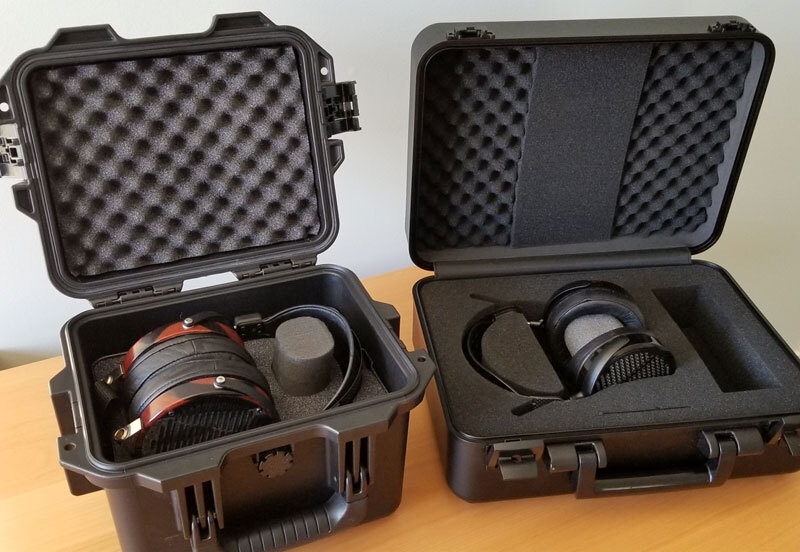
Proper headphone care and maintenance are crucial for ensuring their longevity and optimal performance. By following these practices, you can extend the lifespan of your investment and maintain consistent audio quality. Understanding the nuances of cleaning, storage, and adjustment can significantly impact your listening experience.Careful attention to these details contributes to a more enjoyable and productive audio monitoring environment.
These practices, in conjunction with understanding your needs and evaluating key features, will guide you toward the ideal headphones for your specific workflow.
Headphone Care and Maintenance
Maintaining your headphones involves a combination of preventative measures and proactive cleaning strategies. Regular care extends the life of the headphones and ensures consistent audio quality.
- Cleaning: Avoid harsh chemicals or abrasive materials when cleaning. Use a soft, lint-free cloth dampened with a mild solution of water and a gentle cleaning agent (e.g., a specialized headphone cleaner or a mild dish soap). Gently wipe down the earcups and headband. For particularly stubborn dirt or grime, use a soft-bristled brush to remove particles.
Never immerse the headphones in water.
- Storage: Store headphones in a cool, dry place, away from direct sunlight and extreme temperatures. Avoid placing them in areas prone to moisture. Proper storage protects against damage and ensures the longevity of the internal components. Consider using a soft cloth or a specialized headphone case for added protection. Store them in a horizontal position to prevent pressure on the earcups.
Adjusting Headphones for Optimal Sound
Properly adjusting headphones is crucial for achieving accurate and comfortable audio monitoring.
- Fit and Comfort: Ensure the headphones fit snugly and comfortably over your ears. Adjust the headband and earcups to achieve a secure and comfortable fit that doesn’t cause pressure points. The correct fit allows for a clear and undistorted sound, free from interference. Experiment with different adjustment options to find the optimal fit for your head shape and preferences.
- Soundstage: The positioning of your head relative to the headphones can impact your perception of the soundstage. Adjust the headphones until you feel a balance in the soundstage and imaging. This will provide a more accurate and immersive experience.
Selecting Headphones Based on Needs and Budget
This process requires a combination of introspection and research.
- Identify Your Needs: Consider the type of audio you primarily work with (e.g., music production, podcasting, vocal recording). List your specific needs, considering the required frequency response, noise isolation, and overall audio quality.
- Set a Budget: Determine a realistic budget that aligns with your needs and priorities. Consider the trade-offs between features, quality, and price. Research models within your budget to find the best value.
- Compare Models: Utilize online resources to compare different headphone models. Pay attention to specifications, reviews, and user feedback. Consider factors such as frequency response, impedance, and noise isolation.
Researching and Comparing Headphone Models Online
Comprehensive online research is essential for informed headphone selection.
- Check Manufacturer Websites: Visit the websites of headphone manufacturers to gain access to detailed specifications, features, and user reviews. Manufacturer sites provide accurate information.
- Read User Reviews: Look for reputable online sources and forums that publish in-depth reviews of different headphone models. User reviews often provide valuable insights into real-world experiences with different headphones.
- Compare Key Features: Compare models based on their key features, including frequency response, impedance, noise isolation, and build quality. Consider your specific needs when comparing.
Ending Remarks
In conclusion, selecting headphones for accurate audio monitoring is a multifaceted process that requires understanding your needs, evaluating key features, and considering practical aspects like placement and room acoustics. This guide has provided a roadmap for making informed decisions, enabling you to select headphones that align with your specific requirements and budget. By understanding the various headphone types and their respective pros and cons, you can confidently choose the best option for your audio workflow.