How to Soundproof a Room for Better Recordings delves into the crucial aspects of creating an optimal acoustic environment for superior audio recordings. This guide provides a thorough understanding of soundproofing principles, from identifying problematic sounds to implementing effective solutions and advanced techniques. Whether you’re a seasoned professional or a home recording enthusiast, this resource offers practical strategies for achieving professional-quality sound in any space.
From understanding the fundamentals of sound absorption and blocking to exploring various soundproofing materials and techniques, this guide provides a detailed roadmap for transforming any room into a recording haven. Learn how to effectively mitigate unwanted noises, echoes, and reverberations to enhance the clarity and quality of your recordings.
Introduction to Soundproofing
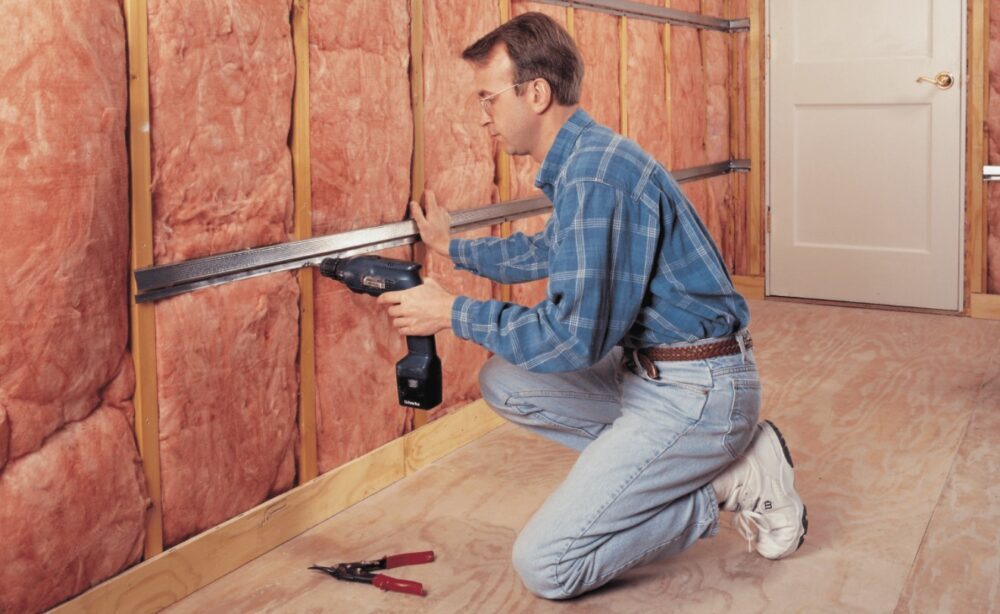
Soundproofing is the process of reducing unwanted sound transmission between spaces. It involves utilizing materials and techniques to minimize the passage of sound waves, thereby creating a quieter environment. This process is crucial for a variety of applications, including recording studios, home theaters, and even residential dwellings.Effective soundproofing is more than just making a room quieter; it’s about controlling the quality of sound within a space.
This is particularly important in recording environments, where unwanted sounds (noise) can significantly impact the quality of recordings. Understanding soundproofing principles allows for the creation of controlled acoustic environments ideal for capturing high-quality audio.
Soundproofing Principles for Recordings
Soundproofing for recordings is critical to achieve high-quality audio. Unwanted sounds, or noise, can interfere with recordings, leading to unwanted artifacts, distortion, and a diminished overall sound quality. Examples of common noise issues in recording spaces include traffic noise, HVAC system sounds, or even the sounds of people talking or moving around. These external or internal noises can negatively impact the clarity and fidelity of the recordings.
Understanding the difference between sound absorption and sound blocking is essential to address these issues effectively.
Sound Absorption vs. Sound Blocking
Sound absorption is the process of reducing the intensity of sound waves by converting them into heat energy. Materials like acoustic foam and curtains are commonly used for sound absorption. Sound blocking, on the other hand, prevents sound waves from traveling through a barrier. Heavy materials like concrete and specialized soundproof panels are often used for sound blocking.
Proper implementation of both absorption and blocking techniques is essential for effective soundproofing.
Comparison of Soundproofing Materials
Choosing the right soundproofing materials is critical. Different materials offer varying degrees of effectiveness, and their properties need to be considered carefully. The following table provides a comparison of common soundproofing materials.
| Material | Description | Effectiveness (Sound Blocking/Absorption) | Cost | Ease of Installation |
|---|---|---|---|---|
| Acoustic Foam | Absorbs sound waves through porous structure | High Absorption | Moderate | Relatively Easy |
| Heavy Curtains | Blocks sound waves using dense material | Moderate Blocking | Low | Easy |
| Drywall | Common building material with varying soundproofing capabilities | Low Blocking | Low | Easy |
| Concrete | Dense, heavy material with excellent sound blocking properties | High Blocking | High | Difficult |
| Soundproof Panels | Specialized panels designed for soundproofing | High Blocking/Absorption | High | Variable |
Note that the effectiveness of each material is influenced by its thickness and the specific application. For example, multiple layers of drywall can offer more sound blocking than a single layer. Similarly, the type of acoustic foam and its density will influence its sound absorption properties.
Identifying Sound Problems
Accurate identification of sound issues is crucial for effective soundproofing. Understanding the types of unwanted sounds and their characteristics in a recording space allows for a targeted approach to mitigation. This understanding guides the selection of appropriate soundproofing materials and techniques.Identifying specific sound problems within a recording environment is an essential step in achieving optimal acoustic quality. This process involves recognizing the various types of unwanted sounds and their characteristics, enabling a precise assessment of the acoustic issues.
Types of Unwanted Sounds
A comprehensive understanding of the different types of unwanted sounds is vital to accurately identify and address sound problems in a recording space. These include echoes, reverberation, and background noise. Echoes are distinct, repeated sound reflections that can occur when sound waves bounce off hard surfaces. Reverberation is a more complex phenomenon, a lingering or decaying sound resulting from multiple reflections, often perceived as a “muddy” or indistinct quality.
Background noise encompasses various ambient sounds originating from sources outside the recording area, such as traffic, HVAC systems, or conversations. Understanding the nature of these issues is the first step toward soundproofing.
Identifying Specific Sound Issues in a Recording Space
A thorough evaluation of a recording space’s acoustic properties is necessary for identifying specific sound issues. Carefully analyzing how sound behaves in the space is paramount to effective soundproofing. This involves recognizing the specific characteristics of the unwanted sounds, their sources, and their impact on the desired recording quality.
Acoustic Room Assessment Checklist
This checklist aids in assessing the acoustic properties of a room, helping to pinpoint problematic areas. A methodical approach to assessing acoustic properties is vital for effectively addressing sound issues.
- Location and Environment: Identify potential sources of external noise (traffic, construction, etc.) and indoor noise (HVAC, appliances). Assess the room’s surroundings to understand the potential impact of external noise.
- Room Dimensions and Shape: Measure the room’s dimensions and note the shape. Irregular shapes can affect sound reflection patterns.
- Surface Materials: Observe the types of surfaces (walls, floors, ceilings) and their reflectivity. Hard surfaces like concrete or glass tend to reflect sound more than soft surfaces like carpets or drapes.
- Existing Soundproofing Measures: Identify existing soundproofing materials or techniques, if any, to understand their effectiveness.
- Listening Tests: Conduct listening tests to pinpoint the specific locations and characteristics of unwanted sounds, noting the clarity, echo, reverberation, and overall sound quality. Listeners should be trained to identify the problem.
Methods for Measuring Sound Levels
Measuring sound levels is a crucial component of soundproofing analysis. Accurate measurement allows for quantifying the magnitude of sound problems, facilitating the selection of appropriate solutions.
- Sound Level Meters: These devices measure the intensity of sound waves and provide a numerical representation of the sound pressure level (SPL) in decibels (dB). Various types are available, ranging from simple handheld models to more advanced professional-grade instruments.
- Sound Intensity Meters: These instruments measure the sound power flowing through a specific area. This measurement is helpful for assessing the total sound energy in a room.
- Software for Measuring Sound: Some audio editing software packages can provide sound analysis tools. This software allows for the analysis of audio files to detect problematic sounds. The audio files should be representative of the space’s sound.
Sound Level Measurement Devices Comparison
The following table provides a comparative overview of different sound level measurement devices, highlighting their key features and applications.
| Device Type | Features | Applications | Cost Range (Approximate) |
|---|---|---|---|
| Handheld Sound Level Meters | Portable, relatively affordable, easy to use, display SPL in dB. | Quick assessments, basic noise monitoring, identifying sources of noise. | $50-$500 |
| Sound Intensity Meters | Measure sound power, provide more detailed analysis. | Detailed acoustic studies, industrial noise control. | $500-$5000+ |
| Software for Sound Analysis | Analyze audio files, identify specific sound characteristics. | Post-recording analysis, pinpoint issues, compare sound recordings. | Software licenses vary |
Soundproofing Materials and Techniques
Effective soundproofing is crucial for achieving optimal audio quality in recording environments. Understanding the various materials and techniques available, along with their respective strengths and weaknesses, is essential for creating a well-isolated space. This section will delve into the world of soundproofing materials, demonstrating how their properties impact sound transmission and offering practical DIY project examples.
Soundproofing Materials Overview
A diverse range of materials can contribute to soundproofing. Their effectiveness stems from their ability to absorb, reflect, or block sound waves. Different materials excel in different areas, and choosing the right combination is key.
- Acoustic Panels: These panels, often made of dense materials like fiberglass or mineral wool, are highly effective at absorbing sound waves. Their porous nature traps sound energy, converting it into heat. Acoustic panels are frequently used in professional recording studios and home theaters to mitigate reverberation and unwanted echoes.
- Soundproofing Blankets: These blankets, often composed of layers of dense material, effectively dampen sound transmission by absorbing sound waves. Their effectiveness is often related to the material’s density and the number of layers. They can be a cost-effective and flexible solution for temporary soundproofing or additional layers.
- Foam: Acoustic foam, available in various densities and shapes, is another sound-absorbing material. Its open-cell structure is designed to trap sound waves and prevent their transmission. Different thicknesses and densities will result in varying levels of sound absorption. The visual appeal of foam is also a contributing factor in its increasing use in home studios.
- Mass-Loaded Vinyl (MLV): This material is known for its exceptional soundproofing capabilities. Its high density effectively blocks sound waves, making it ideal for sealing gaps and minimizing sound transmission through walls or floors. Its effectiveness is often compared to heavy-duty construction materials. However, MLV can be expensive and more difficult to install.
Soundproofing Techniques
Employing soundproofing techniques effectively enhances the overall performance of a soundproofed room. Careful consideration of the structure and application of these techniques leads to a more well-rounded and effective soundproof environment.
- Sealing Gaps and Cracks: Airborne sound can easily travel through gaps and cracks. Using materials like caulk, weatherstripping, or expanding foam to seal all gaps and cracks in walls, doors, and windows dramatically reduces sound transmission.
- Adding Layers: Multiple layers of soundproofing materials can significantly reduce sound transmission. The principle behind this method is based on the principle of impedance matching, which describes how the different densities of the materials affect the transmission of sound.
- Using Heavy Curtains or Drapes: Thick, heavy curtains or drapes can absorb sound and dampen reverberation, particularly in smaller rooms. This can be a simple, low-cost way to enhance soundproofing, especially for rooms that are not extensively treated with other materials.
Impact of Material Thickness
The thickness of soundproofing materials directly influences their effectiveness. Generally, thicker materials offer greater sound absorption and reduction of sound transmission.
The relationship between thickness and soundproofing effectiveness is often logarithmic, meaning a small increase in thickness can yield a substantial reduction in sound transmission.
DIY Soundproofing Projects
Creating a DIY soundproof environment for a home studio is achievable with the right materials and techniques. A combination of soundproofing materials and careful implementation of techniques will contribute to an improved recording environment.
- Soundproof Door Installation: Installing a heavy-duty door, along with sealing any gaps around it, significantly reduces sound transmission.
- Wall Treatments: Covering walls with acoustic panels or soundproofing blankets helps absorb sound waves. For example, using soundproof blankets behind the recording equipment helps absorb sound reflected from the walls and furniture.
Soundproofing Materials Comparison
| Material | Pros | Cons | Effectiveness |
|---|---|---|---|
| Acoustic Panels | Excellent sound absorption, aesthetically pleasing | Can be expensive, installation can be complex | High |
| Soundproofing Blankets | Affordable, flexible, easy to install | Limited sound absorption compared to panels, may not be visually appealing | Medium |
| Foam | Affordable, visually appealing, good sound absorption | Can be less effective than panels for very high sound reduction | Medium |
| MLV | Excellent sound blocking, durable | Expensive, installation can be challenging | High |
Room Design Considerations
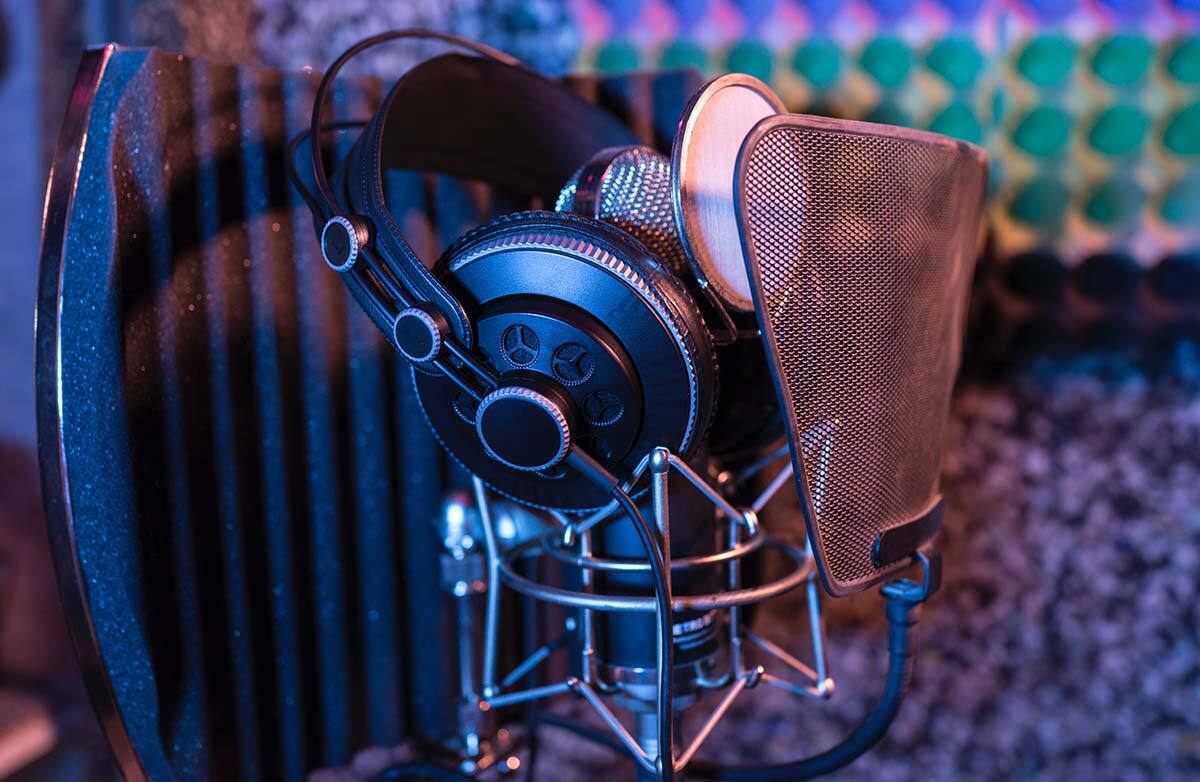
Optimizing a recording space goes beyond just adding soundproofing materials. Careful consideration of the room’s dimensions, layout, and the nature of its surfaces is crucial for achieving a balanced and controlled acoustic environment. The interplay between these elements significantly impacts the quality of recordings.Room geometry, including its shape and size, directly affects sound behavior. Reflections, echoes, and standing waves can negatively impact the clarity and naturalness of audio.
Understanding how these factors interact within the space allows for informed decisions regarding the placement of soundproofing materials and overall room design.
Impact of Room Shape and Size
Room dimensions play a vital role in shaping the acoustic environment. A large, rectangular room, for example, tends to produce more reverberation than a smaller, more irregular space. The specific reflections and echoes created by the room’s shape and size can be either beneficial or detrimental to the recording process. Properly designing the room layout can minimize these negative effects.
Role of Reflective Surfaces
Reflective surfaces, such as hard walls, floors, and ceilings, significantly impact sound. These surfaces bounce sound waves, leading to echoes and reverberation. Minimizing the reflective nature of surfaces in a recording studio is essential for achieving a clearer, more focused audio environment. For instance, using acoustic panels and sound-absorbing treatments on walls and ceilings can significantly reduce these issues.
Effective Room Layouts for Soundproofing
Careful consideration of room layout is essential for achieving an optimal acoustic environment. Layouts that encourage sound diffusion, rather than direct reflection, can dramatically improve sound quality. For example, incorporating irregular shapes and angles in the room’s design can scatter sound waves, reducing echoes and reverberation. The strategic placement of furniture and equipment also plays a crucial role in achieving desired acoustic characteristics.
Optimal Placement of Soundproofing Materials
Strategic placement of soundproofing materials is critical. Absorption panels should be strategically placed to absorb sound reflections from hard surfaces. Placing sound-absorbing materials near the sources of unwanted noise, such as walls or doorways, can significantly reduce sound leakage. Positioning bass traps in corners can effectively manage low-frequency issues.
Table of Room Layouts and Soundproofing Characteristics
| Room Layout | Soundproofing Characteristics | Example Application |
|---|---|---|
| Rectangular Room with Hard Surfaces | High reverberation, potential for echoes, sound build-up. | May require extensive soundproofing treatments for professional recordings. |
| Irregular Shaped Room with Absorbent Treatments | Sound diffusion, reduced echoes, minimized reverberation. | Ideal for recording studios, podcasting, and other audio-focused environments. |
| Room with Strategic Bass Traps | Reduced low-frequency issues, improved overall clarity. | Essential for minimizing low-frequency room modes and resonances, common in large spaces. |
Implementing Soundproofing Strategies
Transforming a room into a sound-controlled environment involves a multifaceted approach. Careful planning and methodical implementation are crucial for achieving optimal results. This section details the practical steps involved in soundproofing, from material selection to installation techniques.Effective soundproofing requires a comprehensive understanding of the specific sound issues faced. Analyzing the sources of unwanted noise and choosing the appropriate materials and strategies are essential for a successful outcome.
This includes identifying the frequency range of the noise to be controlled and selecting the most effective solutions for each frequency.
Step-by-Step Procedures for Soundproofing a Room
Soundproofing a room is a process that requires careful attention to detail. Each step contributes to the overall effectiveness of the soundproofing strategy. Beginning with proper planning is vital, as it dictates the success of the project.
- Assessment and Planning: Thoroughly assess the room’s characteristics, including the type of noise to be mitigated and the budget available. Create a detailed plan outlining the steps to be taken, the materials required, and the timeline for completion. This includes identifying the location and type of noise sources, such as HVAC systems, exterior walls, or neighboring rooms.
- Material Selection: Choose appropriate soundproofing materials based on the type and frequency of the noise. Consider factors like density, thickness, and absorption characteristics. Different materials effectively address different frequencies. For example, heavy drapes might absorb mid-range sounds, while thicker insulation might better mitigate low-frequency noise.
- Gap Sealing: Carefully inspect the room for gaps and cracks, including around windows, doors, electrical outlets, and pipes. Seal these gaps with appropriate caulk, weatherstripping, or acoustic sealant. Improper sealing allows unwanted sound to pass through, thus compromising the soundproofing efforts.
- Installation of Soundproofing Materials: Follow the manufacturer’s instructions carefully when installing soundproofing materials. This includes wall panels, acoustic insulation, or other specific solutions. Ensure proper adherence to the surface for optimal effectiveness. Consider the need for multiple layers for optimal results.
- Testing and Refinement: After installation, thoroughly test the room’s soundproofing. Listen for any remaining noise and make adjustments as needed. This may include adding more insulation, sealing additional gaps, or modifying the room’s design.
Installation of Soundproofing Materials Effectively
Proper installation is critical for the effectiveness of soundproofing materials. The method employed significantly impacts the overall sound reduction achieved.
- Wall Panels: For wall panels, ensure a secure and flush installation to minimize sound transmission. Use appropriate adhesives and mounting systems for optimal results.
- Acoustic Insulation: Install acoustic insulation according to the manufacturer’s guidelines. Ensure proper layering and fill all cavities to maximize sound absorption.
- Double-Paned Windows: If replacing or upgrading windows, consider double-paned options, as they offer significant sound reduction due to their multiple panes and air gaps.
Importance of Sealing Gaps and Cracks
Sound transmission through gaps and cracks can significantly diminish soundproofing efforts. Sealing these vulnerabilities is an essential part of any soundproofing project.
Sealing gaps and cracks is crucial, as these are often overlooked but significant sources of sound leakage.
Proper sealing prevents sound from escaping or entering the room.
Examples of Professional Soundproofing Techniques
Professional soundproofing techniques often involve advanced methods for controlling specific frequencies and sound paths.
- Multiple Layers of Insulation: Using multiple layers of insulation can significantly reduce noise transmission, particularly for low-frequency sounds.
- Mass Loaded Vinyl (MLV): MLV is a dense material used to absorb sound waves, especially useful for high-frequency noise.
- Acoustic Curtains: Heavy, sound-absorbing curtains can effectively dampen noise transmission, particularly useful for areas with frequent traffic or high levels of ambient noise.
Tools Needed for Implementing Soundproofing Strategies
The tools required for soundproofing a room vary based on the chosen techniques.
- Caulk gun and caulk
- Screwdrivers and drills
- Measuring tape and level
- Safety glasses and gloves
- Insulation tools
- Acoustic sealant
Summary of Soundproofing Techniques
| Technique | Description | Steps |
|---|---|---|
| Gap Sealing | Sealing cracks and gaps | Identify gaps, choose appropriate sealant, apply sealant |
| Insulation Installation | Adding insulation to walls/ceilings | Measure and cut insulation, attach to surface, ensure proper fit |
| Wall Panel Installation | Adding sound-absorbing panels | Prepare surface, attach panels using appropriate methods |
Testing and Evaluating Soundproofing

Assessing the effectiveness of soundproofing measures is crucial for ensuring the desired results. Proper evaluation methods allow for adjustments and refinements to achieve optimal sound isolation. This section will detail various methods for evaluating soundproofing, from basic measurements to more complex techniques.
Methods for Testing Soundproofing Effectiveness
Accurate evaluation of soundproofing requires a multi-faceted approach. Simply observing the materials or visually inspecting the room construction is insufficient. Objective testing methods are necessary to quantify sound reduction and ensure the quality of the soundproofing.
Evaluating Sound Level Reduction
Quantifying the reduction in sound levels after implementing soundproofing is a critical aspect of evaluation. This involves measuring the sound levels before and after the installation of soundproofing materials. A significant reduction in decibels (dB) indicates effective soundproofing. For example, a reduction of 20 dB in a specific frequency range signifies a substantial improvement in sound isolation.
The use of sound level meters is crucial in this process.
Use of Sound Level Meters in Evaluation
Sound level meters are indispensable tools for evaluating soundproofing. They provide precise measurements of sound pressure levels (SPL), enabling the objective assessment of sound reduction. Calibration of the sound level meter is paramount for accurate readings. Different sound level meters offer varying features, from simple decibel readings to complex frequency analysis capabilities.
Examples of Different Sound Testing Methods
Various methods can be employed for testing soundproofing effectiveness. One common approach is to measure the sound transmission loss (STL) of a wall or barrier. Another method involves using a sound source and measuring the sound levels in the target room before and after soundproofing. A controlled environment, like a reverberation chamber, can be used to precisely measure sound transmission properties.
Specific examples include using a speaker to generate a consistent sound wave and then using a microphone to measure the level of sound that penetrates a wall or other soundproofing barrier. This process is repeated at different frequencies to gain a comprehensive understanding of the sound transmission characteristics.
Guidelines for Evaluating Sound Quality in a Soundproofed Room
Evaluating sound quality in a soundproofed room is more than just measuring sound levels. Factors like reverberation time, clarity, and spaciousness are also essential. A well-soundproofed room should ideally have a short reverberation time, clear articulation, and an appropriate sense of space. This requires careful consideration of the room’s design, including the choice of materials and their placement.
The evaluation process should involve listening tests in the soundproofed room, and comparing the perceived sound quality to that of an un-soundproofed room.
Summary Table of Sound Testing Methods
| Sound Testing Method | Description | Application |
|---|---|---|
| Sound Transmission Loss (STL) Measurement | Measures the reduction in sound intensity when passing through a barrier. | Evaluating the effectiveness of walls, floors, and ceilings. |
| Sound Level Measurement (Before/After) | Comparing sound levels in a room before and after soundproofing. | Assessing overall sound reduction in a room. |
| Reverberation Time Measurement | Determines the time it takes for sound to decay in a room. | Evaluating the acoustic properties of a soundproofed room. |
| Listening Tests | Subjective evaluation of sound quality by human listeners. | Assessing clarity, spaciousness, and other perceived acoustic characteristics. |
Advanced Soundproofing Techniques
Advanced soundproofing techniques go beyond basic materials, employing sophisticated strategies to achieve optimal sound isolation. These methods are crucial for professional recording studios and high-end home recording spaces where precise sound control is paramount. Understanding and implementing these strategies can significantly improve the quality of recordings and the overall acoustic environment.Employing multiple layers of soundproofing materials, for instance, significantly enhances sound absorption and isolation.
Sophisticated techniques, like using specialized panels with specific acoustic properties, fine-tune the sound control in a room. This is particularly vital in situations where high-frequency sounds or low-frequency rumbles need to be mitigated. Understanding these methods empowers one to create spaces where sound is controlled and predictable, crucial for both professional recording studios and dedicated home recording setups.
Multiple Layer Soundproofing
Multiple layers of soundproofing materials create a more effective barrier against sound transmission. This approach significantly reduces unwanted sound leakage and improves the overall acoustic quality of a space. Each additional layer further diminishes sound vibrations, making it a highly effective strategy for high-impact sound control. Consider layering different types of materials, such as dense acoustic panels, mass-loaded vinyl, and sound-absorbing blankets, to achieve optimal results.
Specialized Soundproofing Panels
Specialized soundproofing panels, often designed with specific acoustic properties, are tailored to address particular sound frequencies. These panels are meticulously engineered to effectively absorb specific frequencies, reducing reverberation and enhancing sound clarity. This approach is common in professional recording studios, where specific frequency control is essential for mixing and mastering. Examples include acoustic foam panels, bass traps, and diffusion panels, each designed to target different aspects of the sound spectrum.
Professional Studio Applications
Professional recording studios frequently utilize advanced techniques to achieve exceptional sound isolation. These studios often incorporate multiple layers of soundproof drywall, strategically placed acoustic panels, and specialized soundproofing seals to minimize external noise and internal reflections. Using bass traps, for example, absorbs low-frequency sounds, which are a common issue in larger recording spaces. This meticulous attention to detail ensures pristine recordings free from unwanted noise.
Home Recording Integration
Implementing advanced soundproofing techniques in home recording spaces can significantly enhance the quality of recordings. By using multiple layers of soundproofing materials and strategically placing specialized panels, one can achieve professional-quality sound isolation in a home environment. For instance, incorporating bass traps in a home studio can dramatically reduce low-frequency vibrations and unwanted room tones. This approach significantly improves the clarity and depth of recordings produced in a home environment.
Comparison of Advanced Soundproofing Techniques
| Technique | Description | Benefits | Drawbacks |
|---|---|---|---|
| Multiple Layer Soundproofing | Combining different soundproofing materials in layers | Significant sound reduction, improved isolation | Increased material cost, potential for increased installation complexity |
| Specialized Soundproofing Panels | Panels designed for specific frequencies | Targeted sound absorption, enhanced clarity | Potential for cost variation depending on panel type, need for specific design considerations |
Maintenance and Troubleshooting

Maintaining effective soundproofing requires ongoing attention to detail and proactive problem-solving. Proper upkeep ensures the longevity of your soundproofing investments and optimizes their performance over time. This section addresses strategies for maintaining your soundproofing, resolving common issues, and handling potential problems with materials.
Maintaining Soundproofing Over Time
Regular inspections and maintenance are crucial for preventing issues and extending the lifespan of soundproofing materials. Visual inspections for any signs of damage, such as cracks, gaps, or detachment, should be conducted periodically. This proactive approach allows for timely repairs before minor problems escalate into larger, more costly issues. Furthermore, ensure that the materials are not subjected to excessive moisture or temperature fluctuations, as these can degrade their performance and effectiveness.
Solutions for Common Soundproofing Issues
Addressing soundproofing problems promptly is essential for maintaining the desired acoustic environment. Common issues include gaps in seals, deteriorated materials, and insufficient sound absorption. Addressing these issues early often avoids more significant and costly repairs down the line. For example, a minor crack in a sealant can lead to increased sound transmission if not repaired promptly. Similarly, a layer of loose insulation may not provide the desired sound reduction.
Troubleshooting Soundproofing Problems
Troubleshooting soundproofing issues involves a systematic approach. First, identify the specific sound leakage source. Is the sound coming from a particular wall, floor, or ceiling? Next, evaluate the integrity of the soundproofing materials. Are there visible gaps or damages?
Finally, consider whether the design or implementation of the soundproofing method is adequate. If the problem persists, seeking professional advice from an acoustician or soundproofing expert may be necessary.
Potential Problems with Soundproofing Materials and Their Solutions
Certain soundproofing materials are susceptible to degradation over time. For example, porous materials like fiberglass insulation can absorb moisture, leading to reduced sound absorption and potential mold growth. To address this, ensure proper ventilation to prevent moisture buildup. Similarly, some sealants can become brittle or lose their effectiveness over time. Regular inspections and replacements of aging sealants can maintain soundproofing integrity.
In instances where the soundproofing materials have degraded beyond repair, replacement is necessary.
Long-Term Care of Soundproofing Materials
Long-term care of soundproofing materials involves proactive measures to preserve their effectiveness and longevity. Regular inspections for signs of wear and tear are crucial. Address any identified issues promptly to prevent escalation. For example, if you notice cracks in a soundproof membrane, sealing them immediately will prevent further sound leakage. This proactive approach can significantly extend the life of your soundproofing investments.
Table of Potential Soundproofing Issues and Their Solutions
| Potential Soundproofing Issue | Corresponding Solution |
|---|---|
| Gaps in seals | Reseal gaps with appropriate sealant. |
| Deteriorated materials | Replace damaged or deteriorated materials. |
| Insufficient sound absorption | Add additional sound-absorbing materials, such as acoustic panels. |
| Moisture buildup in insulation | Improve ventilation to prevent moisture accumulation. |
| Brittle or ineffective sealants | Replace aging sealants with new, appropriate materials. |
Closing Summary

In conclusion, this comprehensive guide provides a step-by-step approach to soundproofing a room for better recordings. By understanding the principles of sound, identifying specific sound issues, and selecting appropriate materials and techniques, you can significantly improve the quality of your recordings. Whether you’re a beginner or a seasoned audio professional, this guide equips you with the knowledge and tools to create an optimal acoustic environment for superior audio capture.