Creating a high-quality multi-person podcast requires meticulous attention to audio mixing. This guide provides a comprehensive overview of the essential steps, from choosing the right equipment to mastering the final mix. Understanding the intricacies of balancing multiple voices, incorporating sound effects, and maintaining consistent audio quality is key to producing a professional-sounding podcast that captivates listeners.
This detailed guide will equip you with the knowledge and techniques needed to confidently mix audio for your multi-person podcast. We’ll explore various aspects of the process, ensuring your podcast stands out from the crowd. From understanding the fundamentals of audio mixing to troubleshooting common issues, we’ve got you covered.
Introduction to Podcast Mixing for Multiple People
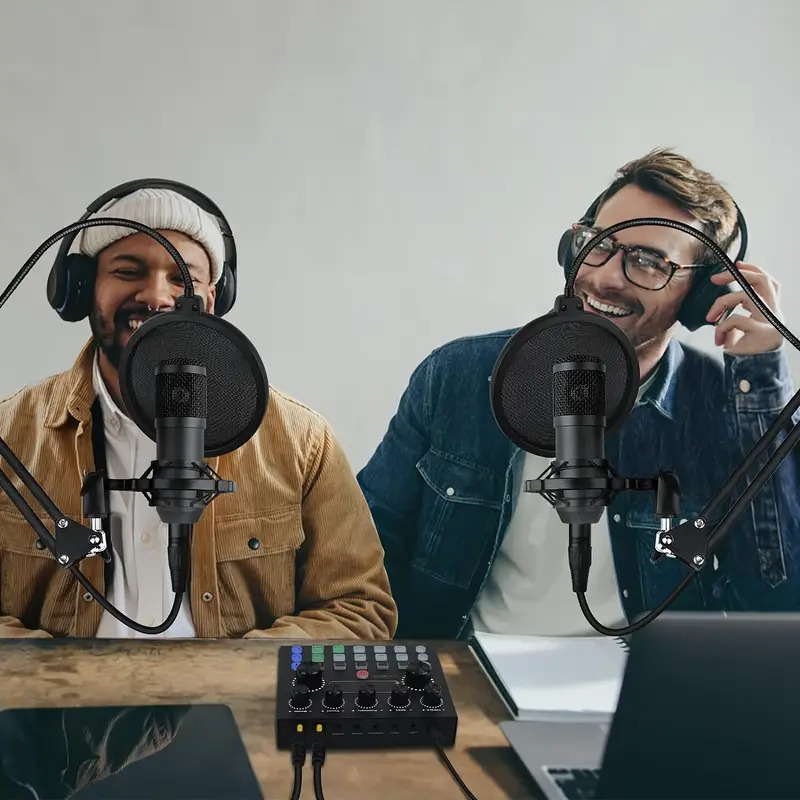
Mixing audio for a multi-person podcast presents unique challenges compared to a solo podcast. The interplay of multiple voices, varying audio levels, and distinct sound characteristics requires meticulous attention to detail. Success hinges on the ability to create a cohesive and balanced listening experience, ensuring each speaker is heard clearly and without interference.The primary goal in multi-person podcast mixing is to achieve clear audio separation and balance.
This allows listeners to easily discern individual speakers and enjoy the nuances of the conversation. Effective mixing is crucial for a professional and engaging listening experience, enhancing the overall podcast quality.
Audio Separation and Balance
Effective separation and balance are fundamental to a good multi-person podcast mix. Distinguishing each voice and creating a cohesive whole requires careful attention to audio levels and positioning. Each speaker’s audio needs to be appropriately adjusted and placed within the stereo field.
Basic Concepts in Podcast Mixing
Understanding fundamental audio concepts like levels, panning, and EQ is essential for successful multi-person podcast mixing.
- Audio Levels: Maintaining consistent audio levels across all speakers is critical. Fluctuations in volume can be jarring and distracting to listeners. A consistent level ensures a seamless listening experience, allowing the listener to focus on the content without being pulled away by uneven volume.
- Panning: Panning adjusts the audio’s position within the stereo field. This allows for better separation between speakers, positioning each voice appropriately within the stereo image. For example, using different panning positions for each speaker can help the listener follow the flow of conversation. Right-panning one speaker and left-panning another can make the conversation easier to follow.
- EQ: Equalization (EQ) helps to shape the sound of each speaker. It can be used to reduce unwanted frequencies or enhance specific frequencies to improve clarity and separation. For instance, boosting the low-end frequencies of one speaker’s voice while slightly reducing those of another can create a more balanced and distinct sound for each speaker.
Single-Person vs. Multi-Person Podcast Mixing Requirements
The demands of multi-person podcast mixing differ significantly from those of a single-person podcast. This table highlights the key distinctions:
| Feature | Single-Person Podcast | Multi-Person Podcast |
|---|---|---|
| Audio Levels | Maintaining a consistent level across the entire recording. | Ensuring consistent levels across multiple speakers and maintaining a balanced dynamic range. |
| Separation | Not a primary concern. | Critical for clarity and listener enjoyment. |
| Panning | Not applicable or minimally used. | Essential for creating separation between speakers and ensuring a clear stereo image. |
| EQ | Potentially used for minor adjustments to the overall sound. | Often used for shaping individual speaker’s voices, reducing interference, and improving clarity. |
Choosing the Right Equipment
Selecting appropriate equipment is crucial for a high-quality multi-person podcast. The right tools ensure clear audio, consistent sound levels, and a professional listening experience for your audience. Investing in quality equipment from the outset will save you time and effort in the long run. This section will detail various types of audio mixers, microphones, and interfaces ideal for multi-person podcast production.
Audio Mixers for Multi-Person Podcasts
A robust audio mixer is fundamental to a smooth podcasting experience. Different types of mixers cater to various podcast needs and budgets. Digital mixers offer flexibility and advanced features, while analog mixers often provide a warm, natural sound. The choice depends on the number of participants, desired features, and your production workflow.Digital mixers, commonly used in professional settings, are becoming increasingly popular for podcasting.
Their digital signal processing (DSP) allows for precise control over audio levels, equalization, and effects. Furthermore, digital mixers often offer more input channels, useful for accommodating multiple participants and potential guests.Analog mixers, though less common in modern podcasting, still offer a distinct sonic character. They tend to be less expensive and offer a more straightforward interface. However, their capabilities may be limited for complex mixing needs, especially in a multi-person podcasting scenario.
Some analog mixers might not be suitable for all podcasting needs and production workflows.
Mixing Consoles and Their Features
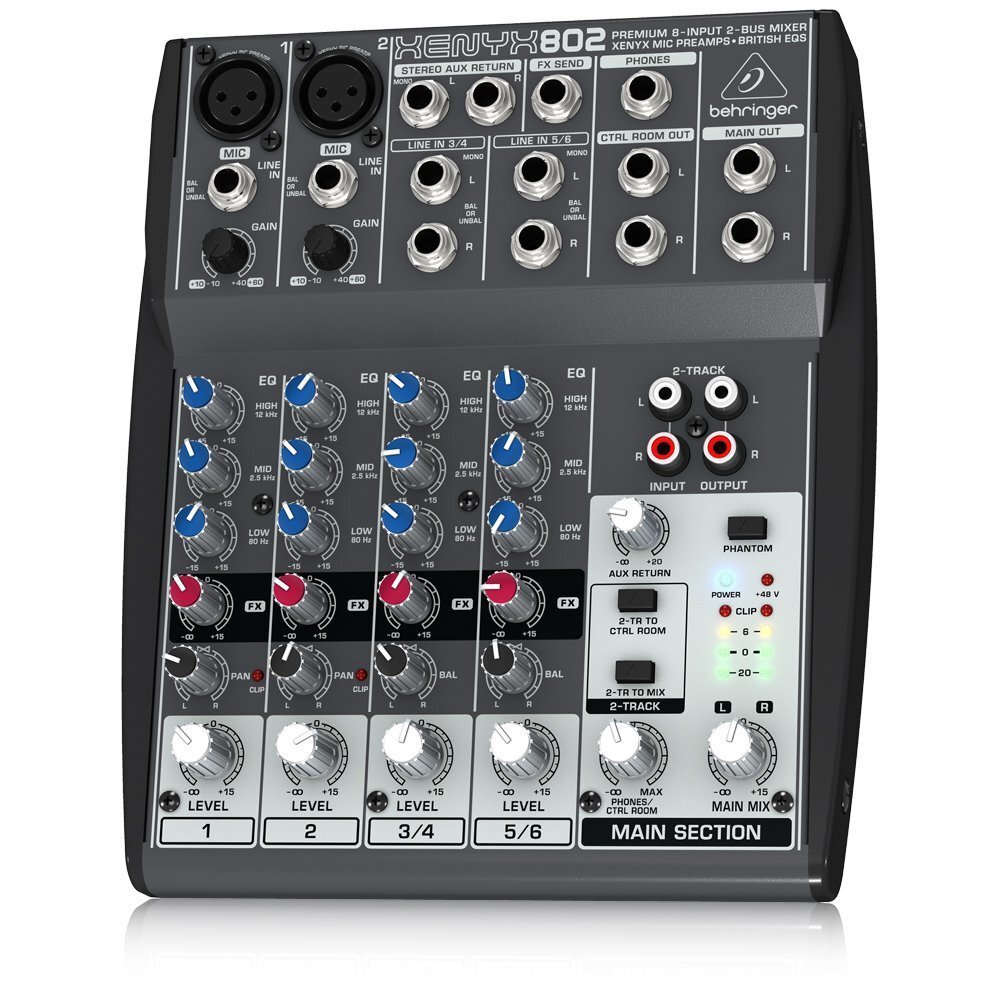
The mixing console acts as the central hub for controlling and manipulating audio. Different consoles offer varying features relevant to multi-person podcast production.Key features to consider include the number of input channels, the quality of the preamps (which condition the audio signal before it’s mixed), and the availability of routing options. A good console will allow you to easily adjust levels and balance audio from each participant while maintaining clear audio for all.Consoles with phantom power capability are especially important for condenser microphones.
Phantom power provides the necessary voltage for these microphones to function correctly.
Importance of a Good Microphone
A quality microphone for each participant is essential for capturing clear and professional-sounding audio. Poor microphone quality can lead to distorted sound, echo, or unwanted background noise, impacting the overall listening experience.The type of microphone will depend on the specific needs of your podcast. Consider factors like the desired sound, the acoustic environment, and the budget.
Microphone Types for Podcasting
Various microphone types are suitable for podcasting, each with its own sonic characteristics.Dynamic microphones are generally preferred for their durability and ability to handle high sound levels. They are robust and less susceptible to feedback, making them ideal for podcasting situations where multiple participants are speaking simultaneously. They’re also less expensive than condenser microphones.Condenser microphones are known for their superior clarity and high frequency response, ideal for capturing detailed audio.
They are generally more sensitive, but they require phantom power to operate. These are often favored by those seeking a more polished and professional sound.
Recommended Audio Interfaces
| Audio Interface | Capabilities |
|---|---|
| Focusrite Scarlett Solo | Two inputs, phantom power, and basic mixing features, good for starting. |
| PreSonus AudioBox iTwo | Two inputs, phantom power, and a more robust preamp quality than the Scarlett, suitable for higher-quality recordings. |
| Audient iD14 | 14 inputs, high-quality preamps, ideal for larger podcasts with many participants. |
This table lists some recommended audio interfaces, outlining their capabilities and suitability for multi-person podcasting. The choice depends on the number of participants and the budget.
Setting Up the Recording Environment

A well-sounded podcast hinges significantly on the quality of the recording environment. A quiet and isolated space is paramount for capturing clear audio from multiple participants. This reduces background noise and ensures each voice is distinct and easily understood. This, in turn, leads to a more professional and engaging listening experience for your audience.A crucial aspect of multi-person podcast production is establishing a dedicated recording space.
This space should be free from distracting noises, such as traffic, construction, or loud household appliances. Soundproofing materials, such as blankets or acoustic panels, can help minimize echoes and reverberations, enhancing the clarity and richness of the audio.
Microphone Placement for Optimal Audio Capture
Proper microphone placement is essential for ensuring that each participant’s voice is clearly audible and distinct. Poor positioning can result in muddled audio, making it challenging for listeners to distinguish individual voices. Strategic microphone placement maximizes the signal-to-noise ratio, ensuring that the desired voices are prominent.
Strategies for Preventing Unwanted Noise
Minimizing unwanted noise is crucial for high-quality podcast recordings. Strategies for noise reduction include:
- Soundproofing the Recording Space: Using soundproofing materials like blankets, acoustic foam, or even strategically placed furniture can significantly reduce the reverberation and echoes that can muddle the audio. Consider placing rugs or carpets on hard floors to absorb sound waves.
- Identifying and Eliminating Noise Sources: Identify potential sources of background noise, such as air conditioners, fans, or noisy appliances, and address them. Temporarily relocating or turning off these sources can dramatically improve the recording quality.
- Using Noise-Cancelling Headphones (Optional): If necessary, consider using noise-cancelling headphones for participants who might be susceptible to distractions or background noise.
Importance of Gain Staging
Gain staging refers to the process of adjusting the microphone’s input level to achieve an optimal signal-to-noise ratio. Over-gaining can lead to clipping and distortion, whereas under-gaining can result in a weak and unclear audio signal. Proper gain staging allows for a balanced mix, preventing unwanted noise and ensuring that each voice is clearly heard without distortion.
Ideal Microphone Placement for Different Podcast Setups
The optimal microphone placement varies based on the number of participants and the layout of the recording space. This table provides guidelines for common podcast setups.
| Podcast Setup | Microphone Placement |
|---|---|
| Two Participants | Place microphones approximately 1-2 feet apart, aimed at the mouth, and slightly angled towards each other. |
| Three Participants | Position microphones in a slightly staggered arrangement, ensuring each microphone captures the participant’s voice clearly. Consider a triangular or semi-circular layout. |
| Four or More Participants | Employ a more distributed arrangement. Use a combination of cardioid and omni-directional microphones to capture each participant’s voice effectively. Aim for a symmetrical layout whenever possible. |
Proper gain staging and microphone placement are crucial for maintaining a high level of audio quality during podcast recordings. These practices ensure each participant’s voice is clear and distinct, enhancing the overall listening experience.
Mixing Techniques for Multiple Voices
Mixing multiple voices in a podcast requires careful attention to detail to ensure each participant is clear and the overall mix sounds polished and professional. Effective mixing techniques go beyond simply adjusting volume levels; they involve strategic use of equalization, panning, and other tools to create a cohesive and engaging listening experience. This section will delve into the practical methods for separating and balancing the audio of multiple podcast participants.
Separating and Balancing Multiple Voices
Balancing multiple voices in a podcast mix is crucial for listener enjoyment. A well-balanced mix ensures that each participant is audible without any one voice overpowering the others. This is achieved by adjusting the volume of each individual track, using gain staging to avoid clipping, and using various tools in your audio editing software. For instance, if one participant tends to speak more quietly, their audio track can be boosted slightly without impacting the overall volume balance of the mix.
Conversely, a participant speaking loudly may need a slight reduction in gain.
EQ for Clarity and Reducing Muddiness
Equalization (EQ) is a powerful tool for enhancing clarity and reducing muddiness in a multi-voice podcast mix. EQ allows you to selectively boost or cut specific frequencies in the audio spectrum, isolating and enhancing the desired characteristics of each voice. By targeting problematic frequencies, such as overlapping vocal ranges or unwanted resonances, you can significantly improve the clarity and intelligibility of the podcast.
Using Panning for Space and Separation
Panning is a crucial aspect of creating a spacious and well-separated mix. By using panning, you can position the audio of each participant in a stereo field. Moving a participant’s audio further to the left or right, relative to the center, creates the illusion of space and separation between them, allowing the listener to easily distinguish between individual voices.
This technique is particularly helpful when multiple participants speak simultaneously or when the podcast involves a panel discussion format. For example, placing one participant’s audio slightly to the left and another to the right can enhance the perception of separation and create a more dynamic and engaging listening experience.
Comparison of Audio Editing Software Tools for Multi-Person Podcasts
Different audio editing software packages offer varying tools for mixing multi-person podcasts. Audacity, a free and open-source option, provides basic but effective tools for adjusting levels, EQ, and panning. More advanced software like Adobe Audition or Pro Tools offer extensive features, including precise EQ controls, advanced compression tools, and extensive effects chains. The choice of software often depends on the user’s budget, technical skills, and the complexity of the desired mix.
The key consideration is the level of control and customization the software offers to manage the diverse nuances of a multi-voice recording.
Example EQ Settings for Different Voice Types
| Voice Type | EQ Settings (kHz) | Description |
|---|---|---|
| Male Lead | Low cut at 80Hz, boost at 2.5kHz, light cut at 5kHz | Removes rumble and enhances clarity. |
| Female Lead | Low cut at 100Hz, boost at 3kHz, cut at 8kHz | Reduces unwanted bass frequencies and highlights clarity and presence. |
| Supporting Voice | Low cut at 120Hz, boost at 4kHz, cut at 10kHz | Adjusts balance and enhances presence in the mix. |
These are just example settings; adjusting EQ settings for each voice should be done individually, based on the specific recording and the desired sonic characteristics.
Sound Effects and Music Integration
Adding sound effects and music can significantly enhance the listener experience in a multi-person podcast. This integration, when done thoughtfully, can create a more engaging and immersive listening environment. Proper use of these elements can draw the listener in and help them connect with the content on a deeper level.
Importance of Sound Design
A consistent sound design is key to a professional-sounding podcast. This involves selecting and using sound effects and music that complement the podcast’s overall theme and style. A cohesive sound design contributes to the podcast’s brand identity, making it recognizable and enjoyable for listeners. By employing a deliberate approach to sound selection, a podcast can create a consistent emotional tone and aesthetic that resonates with its audience.
This helps listeners feel comfortable and immersed in the podcast experience.
Appropriate Levels for Sound Effects and Music
Maintaining the right volume levels for sound effects and music is crucial. Overwhelming the voices with overly loud sound effects or music will make the podcast difficult to listen to and detract from the content. The goal is to enhance the experience, not to disrupt it. This careful balance ensures that the listener’s attention remains focused on the conversation, rather than being distracted by competing sounds.
Listening tests with various levels of audio are essential for achieving this balance.
Layering Sound Effects and Music Effectively
Layering sound effects and music can add depth and dimension to the podcast, but it’s vital to do so without creating a distracting cacophony. Sound effects should be strategically used to highlight specific points in the conversation, add context, or enhance the overall atmosphere. Music, similarly, should be used sparingly and thoughtfully, to create a specific mood or transition between segments.
The goal is to integrate these elements subtly, so they support the dialogue without overshadowing it. This careful layering approach maintains a clear listening experience, avoiding the distraction of competing audio elements.
Strategies for Creating a Consistent Sound Design
A consistent sound design helps create a familiar and engaging listening experience. One way to achieve this is to establish a specific style guide for the podcast, including preferred sound effects and music types. This allows for greater consistency and control. Furthermore, a detailed sound design plan can help ensure a cohesive auditory experience for listeners.
Examples of Appropriate Sound Effects
| Podcast Segment | Appropriate Sound Effects |
|---|---|
| Introduction | Gentle, ambient sounds; upbeat, inspiring music |
| Interview | Soft transitions between speakers; subtle background ambiance |
| Discussion | Sound effects that enhance specific points; a few short, contextual sound cues |
| Transition | Distinct, but short, sound cues to indicate segment changes |
| Humorous segment | Lighthearted, playful sound effects |
| Serious segment | Subtle, atmospheric sound effects; music that evokes the appropriate tone |
Mastering and Output
The mastering stage is crucial for a polished and professional-sounding multi-person podcast. It refines the overall audio mix, ensuring a consistent listening experience for listeners across various playback devices. This process elevates the audio quality, making the podcast more engaging and enjoyable.
Mastering Techniques
Mastering a multi-person podcast involves a series of techniques aimed at optimizing the final audio mix. These techniques are essential for ensuring that the audio is balanced, clear, and consistent across all tracks. This process typically involves adjusting levels, equalizing frequencies, and applying subtle effects to enhance the overall listening experience.
- Level Adjustment: Careful level adjustments are critical. Each track should have a consistent and appropriate level relative to others. This ensures that no voice or sound effect is overpowering or muted, leading to an uneven listening experience. Over-compressing can lead to muddiness, while under-compressing can lead to poor dynamic range. A skilled mastering engineer will meticulously balance these elements to achieve a natural sound.
- Equalization (EQ): EQ is used to fine-tune the frequency response of the overall mix. This often involves boosting or cutting specific frequencies to improve clarity and balance. For instance, boosting the presence frequencies can make the voices sound more prominent, while cutting low-end frequencies can reduce muddiness. Careful equalization helps to remove unwanted frequencies and enhance desired sounds.
Understanding the sonic characteristics of each track is critical for optimal EQ settings.
- Compression: Compression is used to control dynamic range, the difference between the loudest and quietest parts of the audio. Appropriate compression helps create a consistent volume level across the entire mix. Too much compression can result in a sound that lacks nuance and excitement, while too little compression can cause undesirable volume fluctuations. The goal is to find a balance that preserves the natural dynamic range while maintaining a consistent volume level.
- Limiting: Limiting is a form of compression that prevents the audio from exceeding a certain peak level. This is important for ensuring that the audio does not distort during playback on various devices. It is often the final stage of mastering, ensuring the audio is safe for distribution. Using limiting correctly can significantly enhance the longevity and quality of the audio.
Exporting Audio
Properly exporting the audio in the correct format and bitrate is essential for maintaining high audio quality and ensuring compatibility with various podcast platforms.
- Format: WAV or AIFF are lossless formats that maintain the highest audio quality. MP3 is a lossy format, which reduces the file size by discarding some audio data. The choice of format depends on the balance between quality and file size. For high-quality podcasts, WAV or AIFF are preferred. For platforms with size restrictions, MP3 can be a suitable alternative.
- Bitrate: The bitrate determines the amount of data used to represent the audio. Higher bitrates result in better quality but larger file sizes. A suitable bitrate for podcasts depends on the specific platform requirements and the desired balance between quality and file size. Generally, 320 kbps MP3 is a good compromise between quality and size for podcast distribution.
Podcast Platform Optimization
Optimizing the audio for various podcast platforms ensures listeners can enjoy the podcast on different devices and applications.
- Metadata: Accurate metadata, such as episode title, description, and s, helps podcast platforms categorize and promote the podcast to potential listeners. Complete and accurate metadata can significantly enhance the podcast’s discoverability.
- File Naming Conventions: Clear and consistent file naming conventions can help podcast platforms manage and categorize the episodes. Using consistent naming patterns will prevent confusion and ensure ease of access for podcast hosts and listeners.
- Testing: Testing the audio on different devices and platforms is critical. This ensures that the audio quality and playback experience are consistent across various devices, preventing any unpleasant surprises for listeners.
Mastering Process
| Step | Description |
|---|---|
| 1 | Import the audio files into the mastering software. |
| 2 | Adjust Levels and ensure proper gain staging. |
| 3 | Equalize the audio mix to achieve a balanced frequency response. |
| 4 | Compress the audio to control the dynamic range. |
| 5 | Limit the audio to prevent distortion and maintain a consistent peak level. |
| 6 | Export the mastered audio in the appropriate format and bitrate. |
Troubleshooting Common Issues
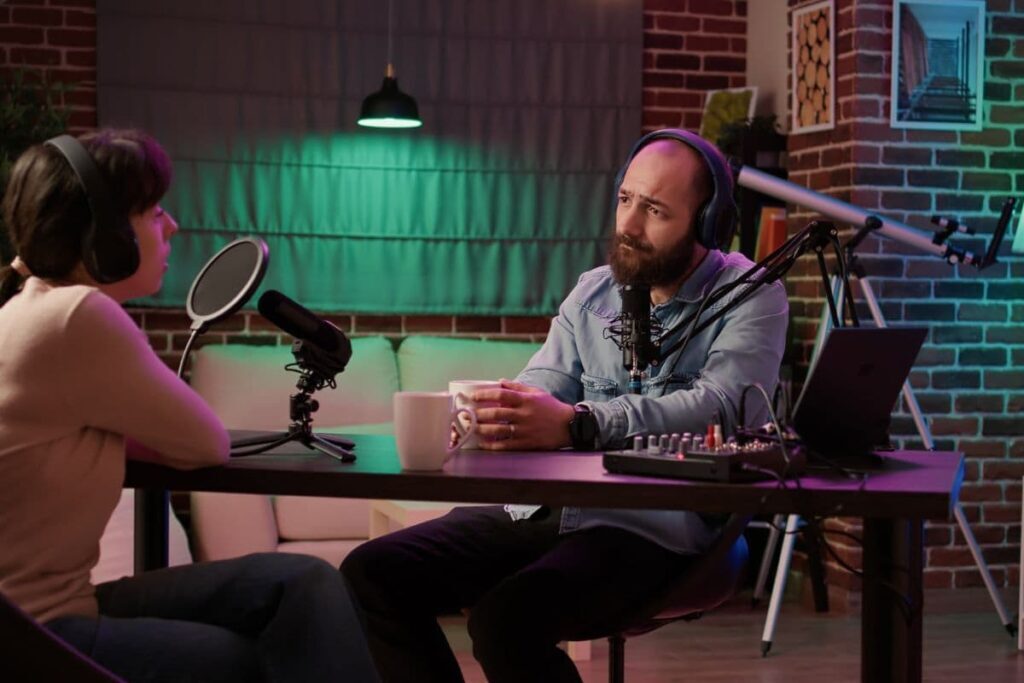
Troubleshooting common issues in multi-person podcast mixing is crucial for producing high-quality audio. Addressing problems proactively saves time and ensures a polished final product. Understanding the potential pitfalls and effective solutions allows for smoother workflow and a more enjoyable experience for both the podcasters and listeners.
Identifying and Resolving Audio Quality Issues
Effective troubleshooting hinges on a clear understanding of potential problems. Poor audio quality can stem from various sources, including issues with the recording equipment, the recording environment, or the mixing process itself. Common issues include feedback, uneven volume levels, and inconsistent microphone sensitivity. These problems, if not addressed, can detract significantly from the overall listening experience.
Resolving Feedback
Microphone feedback is a common problem in multi-person podcasting, characterized by a squealing or howling sound. It’s caused by a positive feedback loop between the microphone and the speakers, where sound from the speakers is picked up by the microphone, amplified, and fed back into the speakers. The key to resolving feedback lies in identifying the source of the problem and implementing appropriate solutions.
- Isolate the Source: Carefully examine the recording setup. Identify which microphone or speaker is most likely the source of the feedback. A simple test, like temporarily muting or unplugging different components, can quickly pinpoint the culprit.
- Adjust Microphone Placement: Shifting the position of microphones can significantly reduce feedback. Experiment with different angles and distances between the microphones and speakers. Reducing the proximity of the microphone to the speaker is often the most effective strategy.
- Optimize Room Acoustics: The acoustics of the recording space play a crucial role. Consider using acoustic panels, blankets, or other sound-absorbing materials to dampen reflections and echoes. Experiment with different placements to find a balance between sound quality and minimizing feedback.
- Adjust Gain Levels: Excessive gain levels in the audio interface or mixing software can contribute to feedback. Lower the gain levels gradually to eliminate the squeal or howl.
Managing Microphone Sensitivities and Preferences
Different microphones have varying sensitivities. Some microphones are more susceptible to picking up background noise or are better suited for certain voices. This necessitates careful consideration when choosing microphones for a multi-person podcast.
- Microphone Selection: Choose microphones that are appropriate for the recording environment and the types of voices being recorded. Consider the sensitivity of each microphone to determine the optimal recording levels. A professional audio engineer can guide you in choosing the appropriate equipment for your needs.
- Gain Adjustment: Adjust the gain levels on each microphone individually to ensure that the audio levels are consistent. Ensure each microphone is at a comfortable recording level without clipping or distortion. A good practice is to record test audio with each microphone at different gain settings and then analyze the results.
- Voice Recording Techniques: Provide clear guidelines for podcasters to speak clearly and directly into their microphones. Proper recording techniques reduce background noise and maintain consistent audio quality.
Removing Unwanted Noise
Unwanted noise, like background hums or other environmental sounds, can significantly detract from the clarity of a multi-person podcast. Noise reduction techniques are crucial for achieving a professional sound.
- Identify the Source: Pinpoint the source of the unwanted noise. Is it a fan, a street noise, or a distant voice? Careful attention to the recording environment will help determine the source.
- Use Noise Reduction Software: Utilize software tools designed for noise reduction. These tools can help significantly reduce or eliminate unwanted noise. There are various plugins and applications available to address noise issues in different recording and mixing software.
- Adjust Recording Environment: Improve the acoustics of the recording space. Adjust the position of microphones and equipment to minimize noise pickup. Consider adding soundproofing materials.
Best Practices and Tips for Multi-Person Podcast Mixing
A multi-person podcast presents unique mixing challenges, requiring meticulous attention to detail and a structured approach. Maintaining a consistent audio quality across all episodes is paramount for audience engagement and a professional presentation. This section details best practices for achieving a polished and enjoyable listening experience.
Maintaining Consistent Audio Quality
Maintaining a consistent audio quality across all episodes is vital for building a recognizable brand and ensuring listeners can always expect a certain level of audio quality. This consistency fosters trust and strengthens the podcast’s reputation. To achieve this, implement a standardized recording and mixing workflow. This includes using the same equipment, recording environment, and mixing techniques for each episode.
Ensuring a consistent workflow eliminates discrepancies in sound quality, which can confuse listeners and detract from the overall listening experience.
Optimizing for Various Listening Devices
Listeners consume podcasts on a diverse range of devices, from smartphones and tablets to computers and smart speakers. To accommodate these variations, optimizing the audio for different listening devices is crucial. Adjusting the mix to compensate for variations in playback systems and speaker configurations can improve the listener experience. This ensures that listeners can enjoy the podcast on any device without significant quality loss.
Optimizing for Clarity and Reducing Background Noise
Clarity and noise reduction are essential components of high-quality podcast mixing. A clear mix is essential for listeners to easily understand the speakers’ dialogue. Background noise can detract from the listener’s enjoyment and comprehension. Strategies for improving clarity and reducing background noise should be integrated into the recording process and the mixing stage. This includes employing noise-canceling microphones, strategically positioning microphones in the recording environment, and employing audio editing tools to eliminate or reduce distracting background noises.
Table of Best Practices for Multi-Person Podcast Mixing
| Best Practice | Explanation |
|---|---|
| Standardized Workflow | Using the same equipment, recording environment, and mixing techniques for each episode ensures consistency in audio quality. |
| High-Quality Microphones | Employing high-quality microphones with noise-canceling capabilities minimizes background noise and improves clarity. |
| Optimized Recording Environment | Minimizing distracting background noises by creating a quiet and controlled recording space helps improve audio quality. |
| Consistent Leveling | Ensuring all audio tracks are leveled appropriately prevents any one voice from overpowering the others during playback. |
| Strategic Microphone Placement | Properly positioning microphones can reduce feedback and maintain consistent audio levels, and ensures all voices are heard clearly. |
| Careful Use of Compression and EQ | Using these tools carefully helps to enhance the mix while preserving the natural sound of each speaker. |
| Monitoring Audio Quality | Regularly listen to the mix on different devices and playback systems to ensure it sounds good on various listening environments. |
| Feedback Avoidance | Using techniques like strategic microphone placement to prevent unwanted feedback. |
| Audio Editing for Noise Reduction | Employing noise reduction software or audio editing tools to minimize distracting background noises. |
| Appropriate Use of Sound Effects and Music | Use sound effects and music that complement the content, not distract from it. |
Ending Remarks
In conclusion, producing a successful multi-person podcast involves careful planning, meticulous execution, and a commitment to consistent audio quality. By following the steps Artikeld in this guide, you’ll be well-equipped to create a podcast that captivates your listeners. Remember that practice and experimentation are key to refining your mixing skills and achieving your desired sound.